2025 Global Food Security: International Crises and US Agriculture
Anúncios
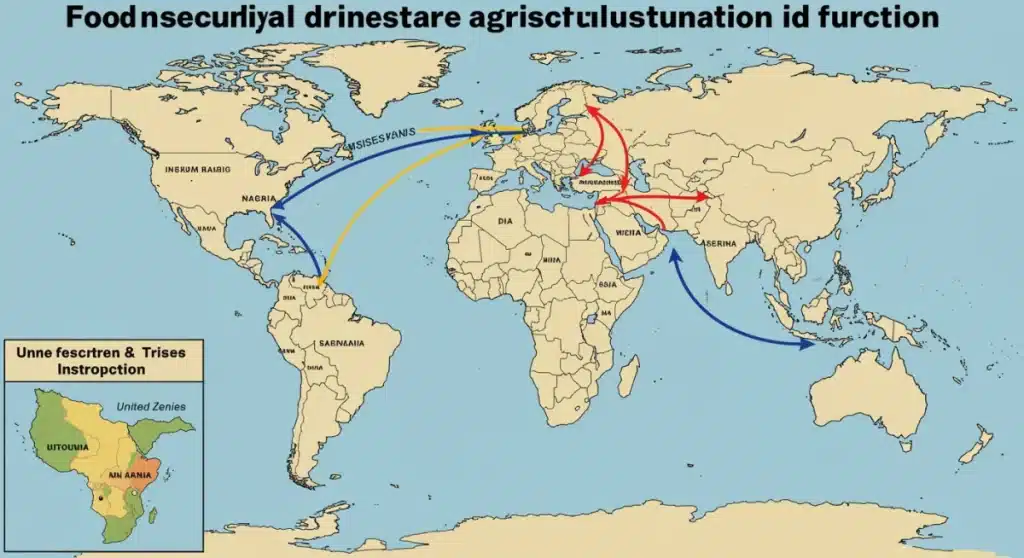
The 2025 Global Food Security Outlook reveals significant challenges as international crises increasingly affect US agricultural markets, influencing commodity prices, supply chains, and domestic food availability.
Anúncios
The intricate web of global events consistently reshapes our world, and few sectors feel this impact more acutely than agriculture. This article will explore the 2025 Global Food Security Outlook: How International Crises Affect US Agricultural Markets, delving into the complex dynamics at play.
Anúncios
Understanding the 2025 Global Food Security Landscape
The year 2025 is anticipated to bring a confluence of environmental, geopolitical, and economic pressures that will profoundly influence global food security. These factors are not isolated but rather interconnected, creating a delicate balance that can be easily disrupted.
Climate change continues to be a primary driver of instability, manifesting through extreme weather events such as prolonged droughts, devastating floods, and unpredictable temperature swings. These phenomena directly threaten crop yields and livestock health across vital agricultural regions worldwide. Furthermore, the ongoing geopolitical tensions and conflicts in various parts of the globe exacerbate existing vulnerabilities, disrupting supply chains and displacing populations, which in turn impacts food production and distribution.
Key Drivers of Insecurity
Several critical elements are shaping the 2025 outlook, making it a pivotal year for global food systems.
- Climate Volatility: Unpredictable weather patterns are making farming increasingly precarious, leading to reduced harvests and increased production costs.
- Geopolitical Conflicts: Wars and political instability disrupt trade routes, limit access to essential agricultural inputs like fertilizers, and destroy infrastructure.
- Economic Downturns: Inflation and recessions reduce purchasing power, making food less affordable for vulnerable populations, even when supplies are available.
- Supply Chain Fragility: Global interconnectedness means that a disruption in one region can have cascading effects worldwide, highlighting the need for resilient systems.
The cumulative effect of these drivers creates a challenging environment for ensuring adequate food supplies for all. Understanding these foundational issues is the first step in addressing the complex challenges that lie ahead for global food security.
Geopolitical Conflicts and Their Ripple Effects on US Agriculture
Geopolitical conflicts, often thousands of miles away, exert a surprisingly direct and significant influence on US agricultural markets. The interconnectedness of the global economy means that disruptions in one region can send shockwaves across the world, affecting everything from commodity prices to input costs for American farmers.
The ongoing conflicts in Eastern Europe and the Middle East, for instance, have already demonstrated their capacity to destabilize critical food-producing regions and disrupt established trade routes. These conflicts can lead to blockades, destruction of agricultural infrastructure, and a significant reduction in output from major grain and oilseed exporters. This reduction in global supply inevitably drives up prices, benefiting some US farmers in the short term but creating challenges for others, particularly those reliant on imported inputs.
Impact on Commodity Prices and Exports
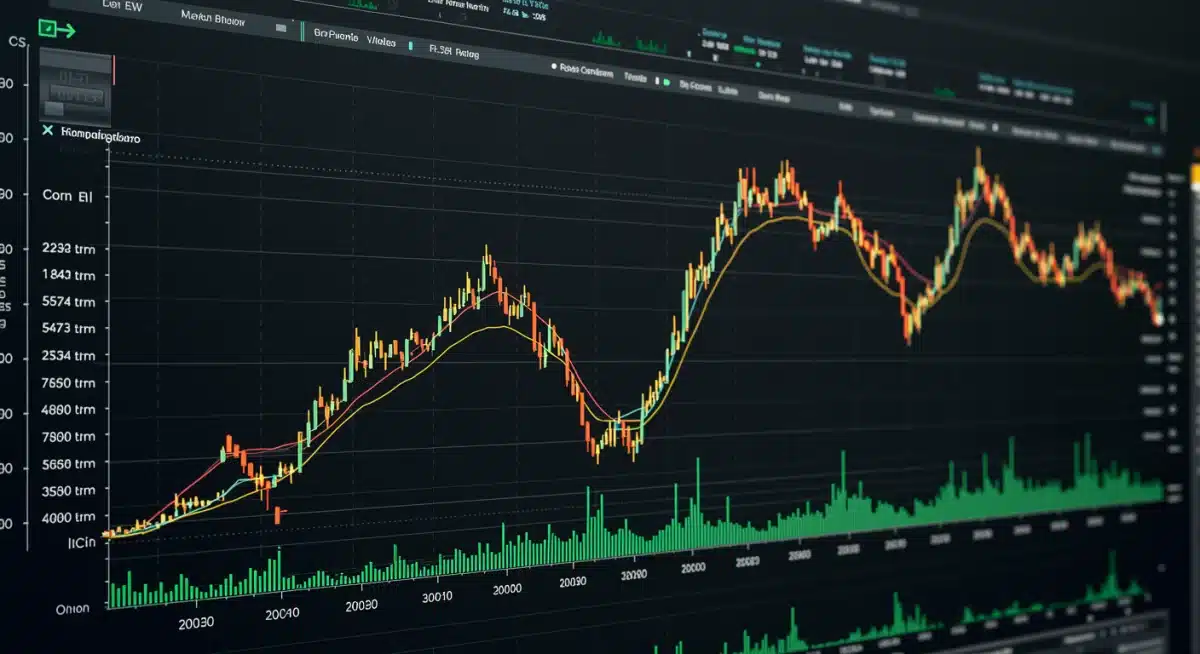
The most immediate effect of geopolitical instability is often seen in the volatile fluctuations of commodity prices. When major grain-producing nations are embroiled in conflict, global supply tightens, leading to price surges for crops like wheat, corn, and soybeans.
- Wheat Prices: Conflicts in major wheat-producing regions can cause global prices to spike, directly impacting US wheat farmers and consumers.
- Fertilizer Costs: Disruptions in natural gas supplies, a key component in fertilizer production, lead to higher fertilizer prices, increasing operational costs for US farmers.
- Export Opportunities: While some conflicts reduce global supply, they can also open new export opportunities for US agricultural products as importing nations seek alternative sources.
- Trade Route Disruptions: Blockades or increased shipping risks in critical waterways escalate transportation costs and extend delivery times, affecting the competitiveness of US exports.
These ripple effects underscore how US agricultural markets are not isolated but deeply integrated into the global geopolitical landscape. Farmers must contend not only with domestic factors but also with international events that can dramatically alter their profitability and market access.
Climate Change: A Persistent Threat to US Crop Yields
Climate change stands as a formidable and persistent threat to the stability and productivity of US agricultural markets. Its multifaceted impacts range from altered precipitation patterns to increased frequency of extreme weather events, all of which directly affect crop yields and livestock health across the nation.
The variability introduced by a changing climate makes agricultural planning increasingly complex. Farmers face greater uncertainty regarding planting schedules, water availability, and the potential for devastating losses due to unforeseen weather phenomena. This necessitates significant adaptation strategies and investments in resilient farming practices.
Droughts, Floods, and Temperature Extremes
The most visible manifestations of climate change in agriculture are the increasing occurrences of droughts, floods, and temperature extremes.
Prolonged droughts in key agricultural regions, such as the Western and Midwestern United States, severely limit water availability for irrigation, leading to reduced crop growth and potential harvest failures. Conversely, intense rainfall and flooding can devastate fields, wash away topsoil, and delay planting or harvesting, resulting in significant yield losses.
Temperature extremes, including heatwaves and unseasonal frosts, also pose considerable risks. Heat stress can reduce crop productivity and negatively impact livestock, while unexpected cold snaps can damage delicate young plants or mature crops nearing harvest. These climatic shifts demand innovative solutions and robust risk management strategies from US farmers.
Adapting to these evolving climatic conditions is paramount for maintaining the long-term viability and competitiveness of US agriculture. This includes embracing drought-resistant crop varieties, improving water management techniques, and implementing soil health practices that enhance resilience against extreme weather.
Economic Volatility and its Impact on Food Supply Chains
Global economic volatility, characterized by inflation, currency fluctuations, and potential recessions, creates significant headwinds for food supply chains both domestically and internationally. These economic shifts directly influence the cost of production, transportation, and consumer purchasing power, intricately linking global financial health to the availability and affordability of food.
Inflation, in particular, has emerged as a critical concern. Rising energy prices, increased labor costs, and higher prices for agricultural inputs like fertilizers and seeds translate directly into higher food production costs. These elevated costs are then passed on through the supply chain, ultimately affecting the prices consumers pay at the grocery store.
Supply Chain Disruptions and Consumer Prices
The fragility of global supply chains, often highlighted during recent crises, continues to be a major vulnerability. Any disruption, whether from economic downturns, geopolitical events, or natural disasters, can have immediate and far-reaching consequences.
- Transportation Costs: Spikes in fuel prices or labor shortages in the trucking and shipping industries directly increase the cost of moving food from farm to table.
- Input Costs: The price of essential agricultural inputs, many of which are globally sourced, can fluctuate wildly due to economic pressures or trade disruptions.
- Labor Shortages: Economic shifts can exacerbate existing labor shortages in agricultural production and processing, leading to delays and reduced output.
- Consumer Purchasing Power: High inflation and economic uncertainty reduce disposable income for households, making healthy and nutritious food less accessible for many.
Navigating this economic landscape requires proactive strategies to build resilience within food supply chains, ensuring that they can withstand shocks and continue to deliver food reliably and affordably to consumers.
US Policy Responses and Adaptation Strategies
In the face of escalating global food security challenges, US policymakers and agricultural stakeholders are actively developing and implementing a range of responses and adaptation strategies. These efforts aim to bolster the resilience of American agriculture, mitigate the impacts of international crises, and ensure a stable food supply for both domestic consumption and global markets.
A multi-pronged approach is essential, encompassing legislative measures, scientific research, and collaborative initiatives. The goal is not merely to react to crises but to proactively build a more robust and sustainable agricultural system capable of enduring future shocks.
Government Initiatives and Research
The US government plays a crucial role in supporting farmers and strengthening the agricultural sector through various programs and policies.
Legislative efforts often focus on farm subsidies, crop insurance programs, and disaster relief funds, which provide a safety net for farmers facing adverse conditions. Furthermore, significant investments are being made in agricultural research and development to foster innovation in areas such as drought-resistant crops, precision agriculture, and sustainable farming practices. These advancements are vital for increasing productivity and reducing environmental impact.
- Farm Bill Provisions: Key legislation provides financial support and risk management tools to farmers, helping them navigate market volatility and environmental challenges.
- Research Funding: Government grants and partnerships with universities drive innovation in agricultural science, leading to new technologies and resilient crop varieties.
- Trade Negotiations: Diplomatic efforts aim to secure stable international trade agreements, ensuring market access for US agricultural exports and reliable import of essential goods.
- Infrastructure Investments: Funding for improving transportation networks, storage facilities, and processing plants enhances the efficiency and resilience of the food supply chain.
These policy responses and adaptation strategies are critical for the long-term health of US agriculture, ensuring its capacity to feed the nation and contribute to global food security amidst a dynamic and challenging environment.
The Role of Technology and Innovation in Mitigating Risks
Technology and innovation are increasingly pivotal in addressing the complex challenges posed by the 2025 global food security outlook. From precision agriculture to advanced biotechnology, these tools offer transformative solutions to enhance productivity, improve resource efficiency, and build greater resilience within US agricultural markets.
Embracing new technologies allows farmers to optimize their operations, reduce waste, and adapt more effectively to changing environmental and economic conditions. This proactive adoption of innovation is crucial for maintaining competitiveness and ensuring a stable food supply in an unpredictable world.
Precision Agriculture and Data Analytics
Precision agriculture leverages advanced technologies to make farming practices more efficient and environmentally sustainable. This approach involves using data-driven insights to manage fields at a micro-level.
GPS-guided machinery, sensors, and drones collect vast amounts of data on soil health, crop growth, and moisture levels. This information allows farmers to apply water, fertilizers, and pesticides precisely where and when they are needed, reducing input costs and minimizing environmental impact. Data analytics converts this raw data into actionable insights, enabling better decision-making regarding planting, irrigation, and harvesting.
- Sensor Technology: Real-time monitoring of soil conditions, plant health, and weather patterns.
- Automated Equipment: Self-driving tractors and robotic harvesters improve efficiency and address labor shortages.
- Biotechnology: Development of genetically modified and gene-edited crops with enhanced resistance to pests, diseases, and extreme weather.
- Vertical Farming: Urban and controlled-environment agriculture reduces land use and transportation costs, offering localized food production.
By integrating these technological advancements, US agriculture can significantly enhance its capacity to withstand external shocks, improve productivity, and contribute more effectively to global food security.
Future Outlook: Navigating Uncertainty in Agricultural Markets
Looking ahead to 2025 and beyond, the future outlook for global food security and its impact on US agricultural markets remains characterized by a degree of uncertainty. While challenges are evident, proactive measures and ongoing innovation offer pathways to mitigate risks and foster greater resilience. The ability to adapt quickly to new realities will be paramount for all stakeholders.
The interconnected nature of global systems means that no single nation can fully insulate itself from international events. Therefore, a collaborative approach, both domestically and internationally, will be crucial in navigating the complexities of food production and distribution in the coming years. This includes sharing best practices, coordinating research efforts, and establishing robust international trade agreements.
Building Resilience for Tomorrow
Building long-term resilience in agricultural markets involves a multifaceted strategy that extends beyond immediate crisis response.
This includes investing in sustainable farming practices that protect natural resources, diversifying crop production to reduce reliance on single commodities, and strengthening local and regional food systems to shorten supply chains. Furthermore, fostering a skilled agricultural workforce and supporting continuous education for farmers on new technologies and climate-adaptive strategies will be vital.
- Diversification: Encouraging a wider range of crops and livestock reduces vulnerability to specific market or environmental shocks.
- Sustainable Practices: Promoting regenerative agriculture, water conservation, and reduced chemical use enhances long-term productivity and environmental health.
- Market Transparency: Improving data collection and sharing helps farmers and policymakers make informed decisions.
- International Cooperation: Collaborative efforts with other nations to address global food challenges, share resources, and coordinate humanitarian aid.
By embracing these forward-looking strategies, the US agricultural sector can better prepare for the uncertainties of the future, ensuring its continued role as a reliable provider of food for its citizens and the world.
| Key Point | Brief Description |
|---|---|
| Geopolitical Impact | Conflicts abroad disrupt supply chains and inflate commodity prices, directly affecting US farmers. |
| Climate Threats | Extreme weather events like droughts and floods challenge US crop yields and agricultural stability. |
| Economic Volatility | Inflation and currency shifts increase production costs and impact consumer food affordability. |
| Technological Solutions | Innovation in precision agriculture and biotechnology offers key strategies for risk mitigation. |
Frequently Asked Questions About Global Food Security
International conflicts disrupt global supply chains, reduce output from major food-producing regions, and increase energy costs. These factors lead to higher prices for agricultural commodities and inputs, which are eventually passed on to US consumers through increased food prices.
In 2025, US agriculture faces challenges like prolonged droughts, intense floods, and unpredictable temperature extremes. These events can severely impact crop yields, water availability for irrigation, and livestock health, demanding adaptive farming practices and resilient infrastructure.
Economic inflation increases the cost of essential agricultural inputs such as fertilizers, fuel, and labor. This raises production costs for US farmers, which can lead to higher food prices for consumers and reduced profit margins for producers, impacting market stability.
Technology, including precision agriculture, biotechnology, and data analytics, helps enhance food security by optimizing resource use, improving crop yields, and developing resilient plant varieties. These innovations enable farmers to adapt to climate change and market volatility more effectively.
US policies address global food security through farm subsidies, crop insurance, agricultural research funding, and international trade agreements. These initiatives aim to stabilize domestic production, support farmers, and ensure consistent food supplies for both national and global markets.
Conclusion
The 2025 Global Food Security Outlook underscores a complex interplay of international crises, climate change, and economic volatility that significantly affects US agricultural markets. While these challenges present considerable hurdles, the adaptive capacity of American agriculture, bolstered by strategic policy responses and continuous technological innovation, offers a pathway toward greater resilience. By understanding these dynamics and fostering collaborative efforts, the US can continue to play a crucial role in ensuring a stable and secure food supply for its citizens and the world.