Urgent Alert: 2026 Federal Benefit Changes You Must Know by January 1st – Avoid Losing 15% of Your Entitlements.

Anúncios
Urgent Alert: 2026 Federal Benefit Changes You Must Know by January 1st – Avoid Losing 15% of Your Entitlements.
Are you currently receiving federal benefits, or do you anticipate doing so in the future? If so, this is an urgent message that demands your immediate attention. Significant 2026 Federal Benefit Changes are slated to take effect, and understanding them is not just important – it’s critical. Failing to act by January 1st could result in a substantial 15% reduction in your entitlements. This isn’t a drill; it’s a call to action to protect your financial future.
Anúncios
The landscape of federal benefits is constantly evolving, driven by economic shifts, legislative priorities, and demographic changes. While some adjustments are minor, the upcoming 2026 Federal Benefit Changes represent a potentially seismic shift that could profoundly impact millions of Americans. From Social Security to Medicare and various other federal programs, beneficiaries must be proactive in understanding these modifications to avoid unexpected financial hardship.
This comprehensive guide will delve into the specifics of these impending changes, outline who will be affected, and, most importantly, provide actionable steps you can take right now to mitigate any negative impact. We’ll explore the ‘why’ behind these changes, the ‘what’ they entail, and the ‘how’ you can prepare. Don’t let complacency cost you a significant portion of your hard-earned benefits. Read on to empower yourself with the knowledge needed to navigate these crucial updates.
Anúncios
Understanding the Scope of the 2026 Federal Benefit Changes
The term ‘federal benefits’ encompasses a wide array of programs designed to provide financial security, healthcare, and other essential support to eligible individuals and families. These include, but are not limited to, Social Security retirement, disability, and survivor benefits; Medicare Parts A, B, C, and D; Supplemental Security Income (SSI); veterans’ benefits; federal employee retirement benefits; and various other assistance programs. The impending 2026 Federal Benefit Changes are not limited to a single program but are expected to have a ripple effect across multiple facets of the federal benefits system.
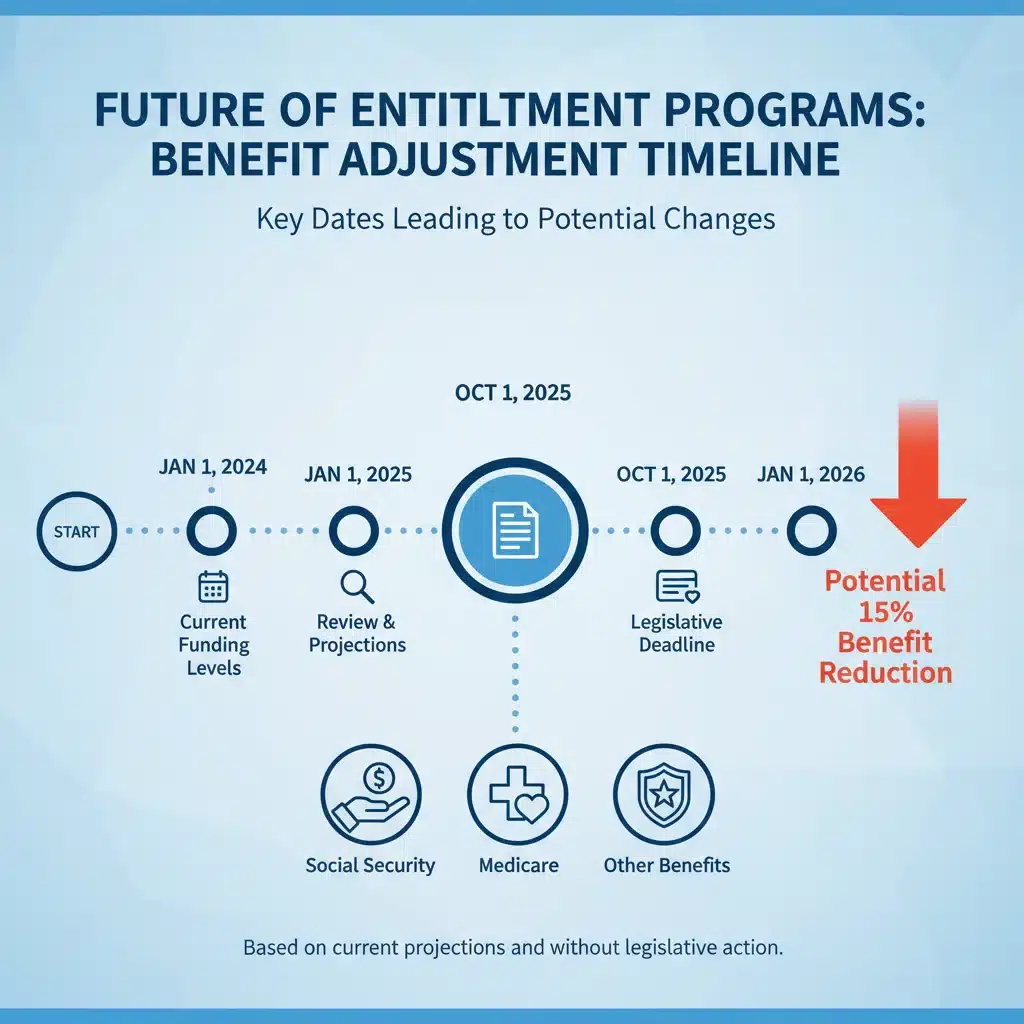
While the precise legislative details are still being finalized and debated in some areas, the overarching theme points towards adjustments aimed at ensuring the long-term solvency of these vital programs. This often translates into recalibrations of eligibility requirements, benefit calculation formulas, and potential increases in beneficiary contributions or deductibles. The 15% reduction figure is a strong indicator of the magnitude of these proposed adjustments, signaling a significant shift from current benefit structures.
It’s crucial to understand that these changes are often a response to various pressures, including an aging population, rising healthcare costs, and fluctuating economic conditions. Policymakers are tasked with balancing the needs of current and future beneficiaries with the fiscal realities of the nation. While these efforts are aimed at sustainability, they can undeniably create uncertainty and anxiety for those who rely on these benefits for their daily living and healthcare needs.
Our goal is to cut through the noise and provide clear, actionable information. We will break down the most likely areas of impact, offering insights into how these 2026 Federal Benefit Changes could specifically affect you and your family. Staying informed is your first line of defense against unexpected financial setbacks.
Key Areas Impacted by the 2026 Federal Benefit Changes
While a definitive, all-encompassing list of every single change isn’t yet possible due to ongoing legislative processes, several key areas are consistently highlighted in discussions surrounding the 2026 Federal Benefit Changes. Focusing on these major programs will give you a solid foundation for understanding the potential impact.
Social Security: Retirement, Disability, and Survivor Benefits
Social Security remains the bedrock of retirement income for millions of Americans. Reports suggest that without legislative action, the Social Security trust funds could face depletion in the coming years, leading to an automatic reduction in benefits. The 15% figure is often cited as the necessary adjustment to maintain solvency if no other measures are taken. These potential 2026 Federal Benefit Changes could manifest in several ways:
- Changes to Full Retirement Age (FRA): There could be proposals to gradually increase the Full Retirement Age, meaning beneficiaries would have to work longer to receive their full benefits or accept reduced benefits by claiming earlier.
- Benefit Calculation Modifications: The formula used to calculate monthly benefits might be altered, potentially impacting how earnings are weighed or how cost-of-living adjustments (COLAs) are applied.
- Taxation of Benefits: While not a direct reduction, changes to the income thresholds at which Social Security benefits become taxable could effectively reduce net benefits for some recipients.
- Means-Testing: Although highly debated, some proposals involve introducing or expanding means-testing, where higher-income retirees might receive a smaller percentage of their earned benefits.
For those relying on Social Security Disability Insurance (SSDI) or Survivor Benefits, similar adjustments to eligibility criteria or benefit amounts could be on the table. It is paramount for current and future beneficiaries to monitor these discussions closely and understand how any proposed changes could alter their expected income.
Medicare: Navigating Healthcare Cost Adjustments
Medicare provides essential health coverage for Americans aged 65 and older, and for some younger people with disabilities. Healthcare costs continue to rise, putting immense pressure on the Medicare trust funds. The 2026 Federal Benefit Changes for Medicare could include:
- Increased Premiums, Deductibles, and Coinsurance: Beneficiaries might face higher out-of-pocket costs for Medicare Part B (medical insurance) and Part D (prescription drug coverage) premiums, as well as increased deductibles and coinsurance for various services.
- Changes to Coverage: While less likely to be drastic, there could be adjustments to what services are covered or how certain procedures are reimbursed, potentially shifting more costs to beneficiaries.
- Means-Tested Premiums (IRMAA): The Income-Related Monthly Adjustment Amount (IRMAA) for Medicare Part B and Part D premiums could be expanded or adjusted, meaning more individuals with higher incomes might pay increased premiums.
- Prescription Drug Reforms: Ongoing efforts to lower prescription drug costs could see further changes, which might benefit some but could also alter preferred drug lists or coverage tiers.
These potential changes highlight the importance of regularly reviewing your Medicare plan options, especially during the annual enrollment period, to ensure you have the most cost-effective and comprehensive coverage for your needs.
Why Are These 2026 Federal Benefit Changes Happening Now?
Understanding the impetus behind these proposed 2026 Federal Benefit Changes is key to appreciating their significance. Several interconnected factors are driving the need for reform:
- Demographic Shifts: The most significant factor is the aging of the U.S. population. The baby boomer generation is reaching retirement age, leading to a higher ratio of retirees to active workers. This demographic shift places increased strain on pay-as-you-go systems like Social Security, where current workers’ contributions fund current retirees’ benefits.
- Increased Life Expectancy: People are living longer, healthier lives, which is a positive development. However, it also means that individuals are drawing benefits for more years, extending the period over which trust funds must provide support.
- Rising Healthcare Costs: For Medicare, the escalating cost of healthcare services, prescription drugs, and medical technology continues to outpace economic growth. This unsustainable trajectory necessitates adjustments to ensure the program’s long-term viability.
- Economic Volatility: Economic downturns, inflation, and slower wage growth can impact the revenue streams that fund federal benefits. When fewer people are working or wages are stagnant, tax contributions to these programs may decrease, exacerbating funding shortfalls.
- Legislative Inaction: For many years, policymakers have debated various solutions to address the solvency issues of Social Security and Medicare. However, reaching bipartisan consensus on politically sensitive reforms has been challenging. The looming deadlines for trust fund depletion are now forcing more urgent action, leading to the prospect of significant 2026 Federal Benefit Changes if no other solutions are found.
These factors collectively paint a picture of programs under immense pressure, necessitating difficult but necessary adjustments. While the idea of benefit reductions is unsettling, the underlying goal is to ensure that these vital safety nets remain available for future generations.
Who Will Be Most Affected by the 2026 Federal Benefit Changes?
While the 2026 Federal Benefit Changes could have a broad impact, certain groups may feel the effects more acutely than others:
- Near-Retirees (Ages 55-64): Those closest to retirement may have less time to adjust their financial plans in response to changes in Full Retirement Age or benefit calculations. Their retirement expectations could be significantly altered.
- Current Retirees: While often protected from the most drastic immediate changes, current beneficiaries could still face increased out-of-pocket costs for Medicare or adjustments to COLAs that reduce the purchasing power of their Social Security benefits.
- Individuals with Disabilities: Those relying on SSDI may find changes to eligibility criteria or benefit levels particularly challenging, as their ability to supplement income through work may be limited.
- Low-Income Beneficiaries: Any reduction in benefits, even a small percentage, can have a disproportionately severe impact on individuals and families who are already living on fixed or limited incomes.
- Future Generations: While directly affected by the 15% reduction if it occurs, future generations of beneficiaries might also face a different benefits landscape, potentially requiring greater personal savings and alternative retirement planning strategies.
It’s vital for everyone, regardless of their current age or benefit status, to stay informed. Even if you are years away from retirement, understanding these potential 2026 Federal Benefit Changes can help you make more informed decisions about your long-term financial planning.
Actionable Steps: What You Must Do Before January 1st to Avoid Losing 15% of Your Entitlements
The deadline of January 1st is not far off, and proactive measures are essential to safeguard your entitlements from the potential 15% reduction stemming from the 2026 Federal Benefit Changes. Here are critical steps you should take:
1. Review Your Social Security Statement Annually
Your Social Security statement provides a detailed summary of your earnings history and estimated future benefits. Regularly review this document for accuracy and to understand your projected benefits under current rules. You can access your statement online by creating an account at ssa.gov/myaccount. This will serve as a baseline for understanding any future adjustments.
2. Understand Your Medicare Options and Costs
If you’re already on Medicare or approaching eligibility, familiarize yourself with the different parts (A, B, C, D) and their associated costs. Pay close attention to premiums, deductibles, and out-of-pocket maximums. Consider consulting with a Medicare specialist or using the official Medicare website (medicare.gov) to compare plans and understand how potential premium increases or coverage changes could affect your budget.
3. Assess Your Current Financial Situation and Retirement Plan
Conduct a thorough review of your overall financial health. How much do you rely on federal benefits for your income? Do you have other sources of retirement income, such as pensions, 401(k)s, IRAs, or personal savings? Understanding your current financial landscape will help you identify potential vulnerabilities if your benefits are reduced due to the 2026 Federal Benefit Changes.
- Create a detailed budget: Identify all your income sources and expenses. This will highlight areas where you might need to cut back or find additional income if your benefits are reduced.
- Calculate your retirement shortfall: Use online retirement calculators to project your income needs versus your projected income, factoring in a potential 15% reduction in federal benefits.
4. Explore Supplemental Income Opportunities
If a 15% reduction in benefits is a real possibility, consider ways to supplement your income. This could include:
- Part-time work: Many retirees find satisfaction and financial stability through part-time employment, flexible consulting, or freelance work.
- Delaying Social Security (if applicable): If you are still working and can afford to, delaying claiming Social Security benefits beyond your Full Retirement Age (up to age 70) can significantly increase your monthly payout, providing a buffer against future reductions.
- Optimizing investments: Review your investment portfolio with a financial advisor to ensure it aligns with your risk tolerance and long-term goals, potentially generating additional income.
5. Consult with a Qualified Financial Advisor
This is arguably the most crucial step. A financial advisor specializing in retirement planning and federal benefits can provide personalized guidance. They can help you:
- Understand the specific implications of the 2026 Federal Benefit Changes for your unique situation.
- Develop strategies to mitigate the impact of potential benefit reductions.
- Optimize your claiming strategy for Social Security.
- Review your investment portfolio and ensure it’s robust enough to handle potential income gaps.
- Explore long-term care planning and other essential financial considerations.
Don’t wait until the last minute. The sooner you seek professional advice, the more options you’ll have to adapt and protect your financial well-being.

6. Stay Informed and Advocate
Keep abreast of legislative developments and official announcements from the Social Security Administration (SSA) and the Centers for Medicare & Medicaid Services (CMS). Subscribe to newsletters, follow reputable financial news sources, and visit government websites directly. Additionally, consider contacting your elected officials to express your concerns and advocate for solutions that protect beneficiaries.
Dispelling Myths and Misconceptions About Federal Benefit Changes
The discussion around 2026 Federal Benefit Changes can often be filled with rumors and misinformation. It’s important to separate fact from fiction:
- Myth: Social Security will completely run out. While the trust funds face depletion, leading to potential benefit reductions, Social Security is unlikely to disappear entirely. It’s funded by ongoing payroll taxes, meaning it will always be able to pay out a significant portion of promised benefits. The debate is about how to ensure 100% of promised benefits can be paid long-term.
- Myth: All federal benefits will be cut by 15% across the board. The 15% figure is often used as an illustrative number for Social Security’s solvency issue if no other action is taken. While other benefits may also see adjustments, the exact nature and percentage of changes will vary by program and depend on specific legislation.
- Myth: There’s nothing I can do. This is perhaps the most dangerous myth. As outlined above, there are numerous proactive steps you can take to understand, prepare for, and potentially mitigate the impact of these changes.
- Myth: These changes are designed to hurt seniors. While the effects can be challenging, the stated goal of most legislative proposals is to ensure the long-term solvency and sustainability of these vital programs for current and future generations, rather than to intentionally harm any specific group.
Rely on official sources and trusted financial professionals for accurate information. Panic and misinformation can lead to poor decision-making.
The Long-Term Outlook: Adapting to a Changing Benefits Landscape
The prospect of 2026 Federal Benefit Changes, particularly a potential 15% reduction in entitlements, underscores a broader trend: the need for individuals to take greater ownership of their financial planning for retirement and healthcare. While federal benefits remain a crucial safety net, they may not provide the same level of comprehensive support as in previous generations.
This reality necessitates a shift in mindset. Future retirees may need to plan for:
- Increased personal savings: Building a robust personal savings portfolio becomes even more critical.
- Flexible retirement ages: The traditional retirement age of 65 may become less rigid, with more individuals working longer or transitioning into phased retirement.
- Diversified income streams: Relying on multiple income sources in retirement (e.g., investments, part-time work, annuities) will provide greater security.
- Proactive healthcare planning: Understanding and budgeting for healthcare costs, including potential long-term care, will be paramount.
The January 1st deadline for understanding the implications of these changes is a stark reminder that procrastination can be costly. The time to act is now. By diligently reviewing your situation, seeking expert advice, and staying informed, you can navigate these upcoming 2026 Federal Benefit Changes with confidence and secure your financial future.
Conclusion: Take Control of Your Future Before January 1st
The impending 2026 Federal Benefit Changes represent a critical juncture for millions of Americans who rely on Social Security, Medicare, and other federal programs. The potential for a 15% reduction in entitlements is a serious concern that demands immediate attention and proactive planning. Waiting until the last minute could have significant and irreversible financial consequences.
This article has provided a comprehensive overview of the likely areas of impact, the reasons behind these changes, and, most importantly, a clear roadmap of actionable steps you must take before January 1st. From reviewing your Social Security statement and understanding your Medicare options to assessing your financial plan and consulting with a qualified advisor, every step you take now is an investment in your future security.
Do not underestimate the urgency of this situation. The financial landscape is shifting, and those who are informed and prepared will be best positioned to weather these changes. Take control, stay informed, and act decisively to protect your federal benefits and ensure a stable financial future for yourself and your loved ones. January 1st is not just a date; it’s a deadline for securing your entitlements.