2026 Humanitarian Crises: Global Emergencies & US Aid Efforts
Anúncios
Understanding Global Humanitarian Crises in 2026: A Look at the 3 Most Critical Emergencies and U.S. Aid Efforts
The year 2026 looms as a critical juncture for international humanitarian efforts. As conflicts persist, climate change intensifies, and economic disparities widen, the world faces a complex web of challenges that threaten millions of lives. Understanding these global humanitarian crises is not merely an academic exercise; it is an imperative for policymakers, aid organizations, and concerned citizens alike. This comprehensive article will delve into the three most pressing humanitarian emergencies anticipated for 2026, examining their multifaceted causes, devastating impacts, and the indispensable role of U.S. aid in providing relief and fostering long-term resilience.
The landscape of global humanitarian crises is constantly shifting, influenced by geopolitical dynamics, environmental shifts, and socio-economic factors. Predicting the exact nature and scale of future emergencies is challenging, yet trends allow us to anticipate regions and types of crises that will demand urgent attention. Our focus for 2026 will be on areas where protracted conflicts, severe climate impacts, and widespread food insecurity are projected to converge, creating dire situations for vulnerable populations.
Anúncios
The Evolving Nature of Global Humanitarian Crises
Before we pinpoint the specific crises, it’s crucial to understand the evolving nature of global humanitarian crises. Modern emergencies are rarely singular events. Instead, they are often characterized by a confluence of factors: armed conflict exacerbating food shortages, climate-induced disasters displacing populations, and economic downturns undermining health systems. This interconnectedness makes response efforts more complex and demands integrated, multi-sectoral approaches.
Moreover, the concept of a ‘crisis’ itself has broadened. Beyond immediate disaster response, humanitarian action now increasingly includes prevention, preparedness, and building resilience to future shocks. This paradigm shift recognizes that sustainable solutions require addressing the root causes of vulnerability, not just the symptoms. The international community, including the United States, is increasingly adopting this holistic perspective, aiming to move beyond a reactive stance towards proactive engagement.
Anúncios
Key Drivers of Humanitarian Need in 2026
Several overarching factors are expected to drive humanitarian needs in 2026. Understanding these drivers is essential for comprehending the scale and scope of the anticipated global humanitarian crises:
- Protracted Conflicts: Many ongoing conflicts show little sign of abatement, leading to prolonged displacement, destruction of infrastructure, and breakdown of social services. These conflicts are major contributors to food insecurity and public health emergencies.
- Climate Change Impacts: Extreme weather events—droughts, floods, heatwaves, and storms—are becoming more frequent and intense. These events devastate agricultural land, destroy homes, and force mass displacement, creating new humanitarian caseloads and exacerbating existing ones.
- Economic Instability and Poverty: Global economic slowdowns, inflation, and rising costs of living disproportionately affect low-income countries and vulnerable populations, pushing more people into extreme poverty and increasing their susceptibility to shocks.
- Public Health Emergencies: Weak health systems, coupled with displacement and poor sanitation, create fertile ground for disease outbreaks. The lingering effects of pandemics and the rise of antimicrobial resistance also pose significant threats.
- Food Insecurity: A combination of conflict, climate change, and economic shocks continues to drive record levels of food insecurity globally. Millions face acute hunger, with famine conditions a constant threat in several regions.
These drivers do not operate in isolation; they often interact in a vicious cycle, deepening humanitarian suffering. For instance, a conflict might disrupt food supply chains, while a concurrent drought decimates local harvests, leading to widespread starvation.
The 3 Most Critical Global Humanitarian Crises in 2026
Based on current trends, expert analyses, and early warning indicators, three regions are projected to face the most acute and complex global humanitarian crises in 2026. These are not exhaustive, but represent areas where the convergence of multiple catastrophic factors is most likely to result in widespread human suffering and demand an urgent, large-scale international response.
Crisis 1: The Sahel Region – A Confluence of Conflict, Climate, and Food Insecurity
The Sahel region of Africa, stretching across countries like Burkina Faso, Mali, Niger, and parts of Chad and Nigeria, is a humanitarian hotspot that is expected to remain critically volatile in 2026. This vast, semi-arid belt is grappling with a devastating combination of factors that fuel one of the most severe global humanitarian crises.
Root Causes:
- Escalating Violence and Instability: The region is plagued by a complex mix of extremist insurgencies, inter-communal violence, and organized crime. These conflicts lead to massive displacement, destruction of livelihoods, and disruption of essential services. Governments often struggle to maintain control, creating power vacuums exploited by armed groups.
- Severe Climate Change Impacts: The Sahel is on the front lines of climate change. Erratic rainfall patterns, prolonged droughts, and desertification are destroying agricultural land and pastures, leading to chronic food shortages and competition over dwindling resources. This environmental degradation exacerbates existing tensions and conflicts.
- Chronic Food Insecurity: A direct consequence of conflict and climate change is widespread food insecurity. Millions of people in the Sahel already face acute hunger, and this situation is projected to worsen. Livestock, a primary source of livelihood for many, is decimated by drought, and access to markets is hindered by insecurity.
- Poverty and Underdevelopment: The Sahel consistently ranks among the poorest regions globally. Limited access to education, healthcare, and economic opportunities leaves populations highly vulnerable to shocks and makes recovery extremely difficult.
Projected Impact in 2026:
In 2026, we anticipate continued mass displacement, with millions internally displaced and seeking refuge in neighboring countries. Access to humanitarian aid will remain severely challenging due to insecurity and logistical constraints. The health crisis will deepen, with malnutrition rates rising, particularly among children, and outbreaks of preventable diseases becoming more common. Educational opportunities will be severely curtailed, impacting an entire generation. The U.S., through USAID and other agencies, will likely focus on emergency food aid, protection for displaced persons, and supporting local peacebuilding initiatives, but the scale of need will be immense.
Crisis 2: The Horn of Africa – Persistent Drought, Displacement, and Regional Tensions
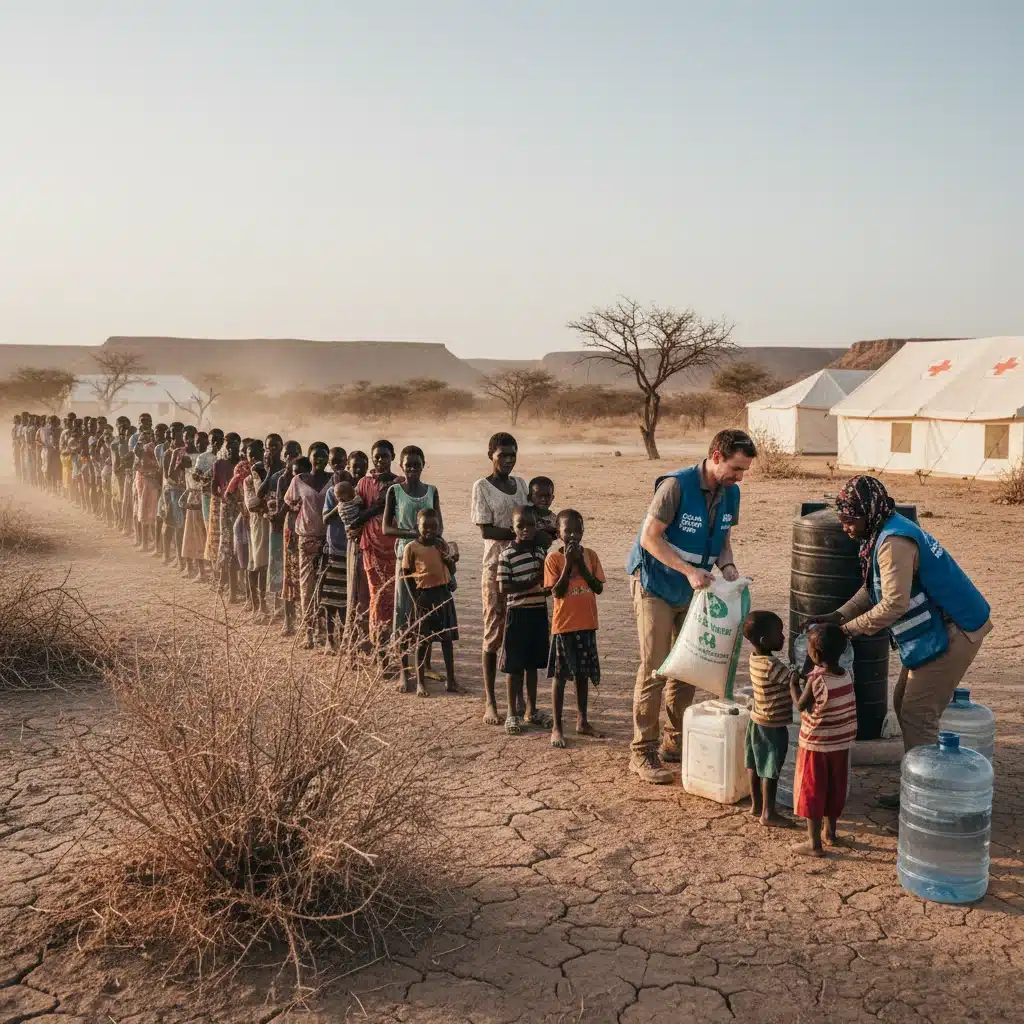
The Horn of Africa, encompassing countries like Somalia, Ethiopia, Kenya, and parts of Sudan, has been a perennial focus of humanitarian concern and is expected to remain one of the most significant global humanitarian crises in 2026. The region is characterized by a brutal combination of prolonged drought, internal conflicts, and significant displacement.
Root Causes:
- Unprecedented Drought Cycles: The Horn of Africa has experienced multiple consecutive seasons of failed rains, leading to the worst drought in decades. This has decimated crops and livestock, pushing millions to the brink of starvation and causing widespread displacement as people search for water and pasture.
- Internal and Regional Conflicts: While some conflicts may abate, new ones or resurgences of old ones are always a threat. These conflicts disrupt supply lines, prevent humanitarian access, and force millions from their homes, compounding the effects of climate-induced displacement.
- Economic Shocks: High food and fuel prices, exacerbated by global events, severely impact an already vulnerable population. Many families are forced to sell assets, accrue debt, and resort to desperate coping mechanisms.
- Weak Governance and Infrastructure: Many governments in the region struggle with limited resources and capacity to respond effectively to large-scale disasters, further hindering recovery and resilience-building efforts.
Projected Impact in 2026:
For 2026, the Horn of Africa will likely face continued acute food insecurity, with a high risk of famine in specific pockets. Mass displacement will persist, putting immense strain on host communities and resources. Water scarcity will remain a critical issue, leading to health crises and increased competition over resources. The U.S. will be a major donor, channeling aid towards emergency food assistance, water, sanitation, and hygiene (WASH) programs, and support for refugee and internally displaced person (IDP) camps. Long-term efforts will also focus on climate adaptation and resilience-building for pastoralist communities.
Crisis 3: Afghanistan – A Deepening Humanitarian Catastrophe Post-Conflict
Afghanistan, already grappling with the aftermath of decades of conflict and a significant political shift, is poised to remain a top concern among global humanitarian crises in 2026. The combination of economic collapse, political isolation, and recurring natural disasters creates a dire situation for its population.
Root Causes:
- Economic Collapse and Banking Crisis: Following the withdrawal of international support and assets freeze, Afghanistan’s economy has largely collapsed. High unemployment, soaring inflation, and a severe banking crisis mean that most Afghans cannot meet their basic needs, even when food is available.
- Political Isolation and Governance Challenges: The current de facto authorities face significant challenges in governance and international recognition, which impacts the flow of aid and long-term development prospects.
- Recurrent Natural Disasters: Afghanistan is highly vulnerable to natural hazards, including earthquakes, floods, and droughts. These events frequently destroy homes and livelihoods, pushing already vulnerable communities further into despair.
- Limited Access to Basic Services: Decades of conflict have left infrastructure in ruins. Access to healthcare, education, and clean water remains severely limited, particularly in rural areas.
Projected Impact in 2026:
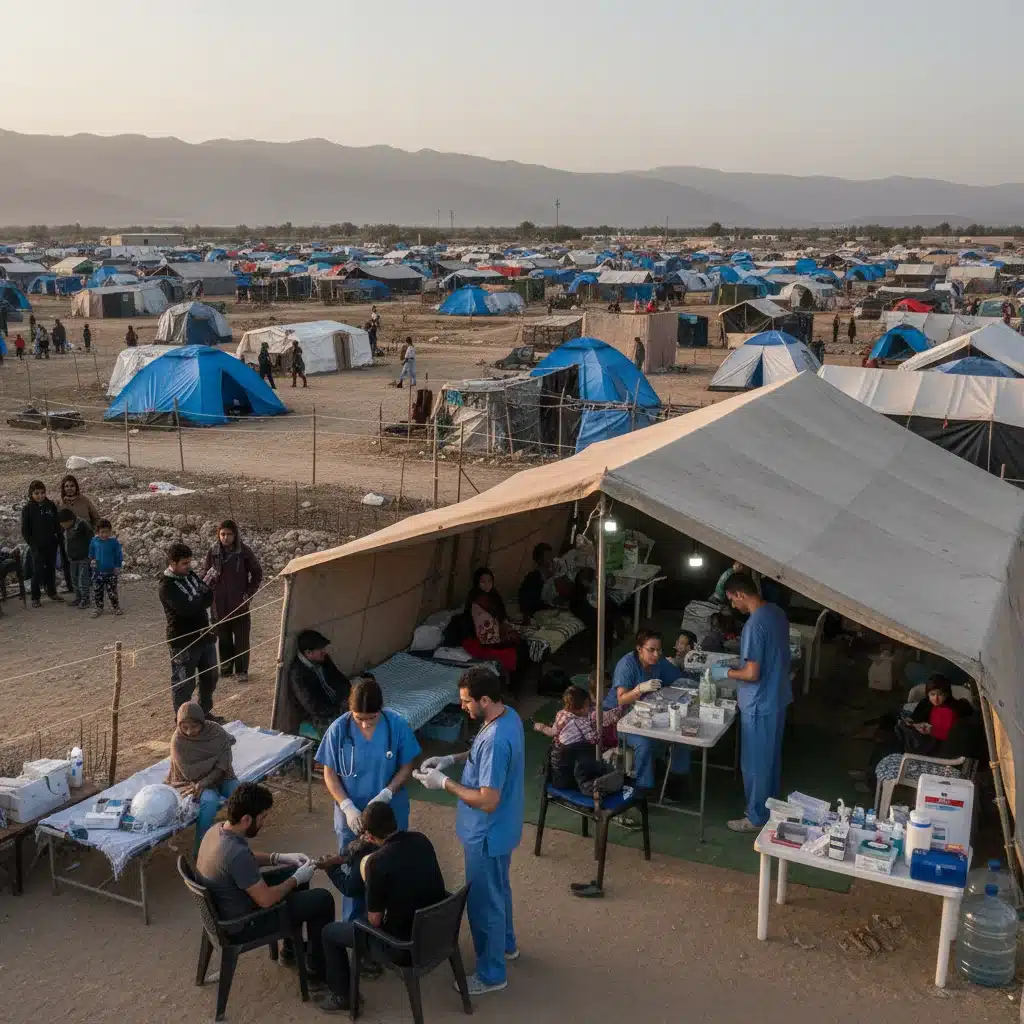
In 2026, Afghanistan is expected to continue experiencing widespread poverty and food insecurity, with a significant portion of the population requiring humanitarian assistance to survive. The health system will remain fragile, and access to essential medicines and services will be severely constrained. Women and girls will continue to face significant restrictions, exacerbating their vulnerability. U.S. aid, often channeled through international organizations and NGOs, will focus on life-saving assistance, including food, health services, and shelter, while navigating complex operational challenges and ensuring aid reaches those most in need without political interference.
The Indispensable Role of U.S. Aid Efforts
The United States has historically been, and continues to be, the largest single donor of humanitarian assistance globally. Its contributions are critical in addressing global humanitarian crises, providing not only immediate relief but also supporting long-term recovery and resilience. U.S. aid is typically channeled through various mechanisms, including:
- USAID (U.S. Agency for International Development): USAID is the primary agency responsible for administering civilian foreign aid and development assistance. It provides funding to international organizations, NGOs, and local partners working on the ground.
- State Department: The Department of State plays a crucial role in foreign policy and diplomatic efforts, often coordinating humanitarian responses and advocating for humanitarian access.
- Department of Defense: In certain emergency situations, the U.S. military may provide logistical support, transportation, and emergency relief, particularly in hard-to-reach areas.
U.S. aid is not merely about financial contributions; it often includes technical expertise, logistical support, and diplomatic advocacy to ensure humanitarian principles are upheld and aid reaches those who need it most. For the global humanitarian crises of 2026, U.S. engagement will be pivotal.
Strategic Priorities of U.S. Aid in 2026
For the identified global humanitarian crises in 2026, U.S. aid will likely prioritize several strategic areas:
- Life-Saving Assistance: This includes emergency food aid, medical supplies, clean water, and shelter for populations affected by conflict and disaster. This is the immediate, critical response to prevent loss of life.
- Protection of Vulnerable Populations: Special attention will be paid to protecting women, children, and displaced persons from violence, exploitation, and abuse. This involves providing safe spaces, psychosocial support, and legal assistance.
- Building Resilience: Beyond immediate relief, U.S. aid aims to help communities become more resilient to future shocks. This includes supporting sustainable agriculture, early warning systems for natural disasters, and strengthening local health and education systems.
- Advocacy for Humanitarian Access: The U.S. will continue to use its diplomatic influence to advocate for safe and unhindered access for humanitarian organizations to reach all populations in need, particularly in conflict zones.
- Addressing Root Causes: While immediate relief is paramount, U.S. foreign policy and aid also seek to address the underlying causes of humanitarian crises, such as promoting good governance, conflict resolution, and economic development.
The effectiveness of U.S. aid, however, is often contingent on political will, global partnerships, and the ability to navigate complex and often dangerous operational environments. The challenges in delivering aid to regions experiencing global humanitarian crises are immense, ranging from security concerns to bureaucratic hurdles and corruption.
Challenges and Opportunities for Humanitarian Action in 2026
Addressing the global humanitarian crises of 2026 will not be without significant challenges. Funding shortfalls are a persistent problem, as humanitarian needs continue to outpace available resources. The politicization of aid, where assistance is used as a tool of political leverage, also undermines humanitarian principles of neutrality and impartiality. Security risks for aid workers are increasing, making it more difficult to operate in many affected regions.
Despite these challenges, there are also opportunities. Advances in technology, such as remote sensing and data analytics, can improve early warning systems and aid delivery efficiency. Innovative financing mechanisms, including impact bonds and private sector partnerships, could unlock new sources of funding. Furthermore, strengthening local capacities and empowering local communities to lead their own recovery efforts is crucial for sustainable solutions.
The international community’s ability to coordinate effectively will also be critical. No single nation or organization can tackle these complex global humanitarian crises alone. Strong partnerships between governments, UN agencies, NGOs, and local communities are essential for a coherent and impactful response.
Conclusion: A Call for Sustained Global Engagement
The outlook for global humanitarian crises in 2026 presents a sobering picture, with millions facing acute suffering in the Sahel, the Horn of Africa, and Afghanistan. These emergencies are not isolated incidents but rather symptoms of deeper systemic issues, including persistent conflict, accelerating climate change, and entrenched poverty. The human cost of inaction is immeasurable, demanding an urgent and sustained global response.
The United States, with its unparalleled capacity and commitment to humanitarian principles, will continue to play a vital role in alleviating suffering and fostering resilience. However, the scale of the challenges requires a collective effort. International cooperation, robust funding, and innovative approaches are paramount to navigating the complexities of these crises. By understanding the root causes, anticipating future needs, and working together, the world can strive to mitigate the impact of these devastating emergencies and offer hope to those caught in their grip. The time to act is now, ensuring that the most vulnerable populations are not forgotten in the face of these profound global humanitarian crises.