
Don’t Miss Out: The 2026 Low Income Home Energy Assistance Program (LIHEAP) Opens Applications on October 1st – Secure Up to $800 for Heating Costs.
Anúncios
As the chill of winter approaches, many households across the nation begin to feel the impending burden of rising heating costs. For low-income families and individuals, this annual struggle can be particularly daunting, often forcing difficult choices between keeping warm and covering other essential expenses. Fortunately, the Low Income Home Energy Assistance Program (LIHEAP) stands as a crucial lifeline, offering vital financial support to help alleviate these pressures. We are thrilled to announce that the LIHEAP 2026 Application period officially opens on October 1st, providing an opportunity for eligible households to secure up to $800 to offset their heating bills.
This comprehensive guide is designed to walk you through everything you need to know about the LIHEAP 2026 Application process. From understanding eligibility requirements and gathering necessary documents to navigating the application steps and maximizing your benefits, we’ve got you covered. Our goal is to empower you with the knowledge and resources to successfully apply for LIHEAP, ensuring your home stays warm and comfortable throughout the colder months. Don’t let the opportunity to receive up to $800 in heating assistance pass you by – mark your calendars for October 1st and prepare to take action!
What is LIHEAP and Why is it Essential for Your Household?
The Low Income Home Energy Assistance Program (LIHEAP) is a federally funded program designed to help low-income households with their energy bills, specifically focusing on heating and cooling costs. Administered by individual states, territories, and tribal organizations, LIHEAP provides critical financial aid that can prevent energy service disconnections, help restore services, and assist with energy-related home repairs. For many, LIHEAP is more than just a financial aid program; it’s a fundamental support system that ensures health, safety, and well-being, especially during extreme weather conditions.
Anúncios
The importance of LIHEAP cannot be overstated. Energy costs represent a significant portion of household budgets, particularly for those with limited incomes. Without assistance, many families would face impossible choices, such as foregoing medical care, food, or other necessities to pay for heating. LIHEAP directly addresses this challenge, providing a safety net that helps stabilize households and prevents energy poverty. By reducing the financial strain of energy bills, LIHEAP allows families to allocate their resources to other crucial areas, improving their overall quality of life. The LIHEAP 2026 Application opening is a beacon of hope for countless individuals and families looking for relief from escalating energy expenses.
Eligibility for the LIHEAP 2026 Application: Do You Qualify?
Understanding the eligibility criteria is the first and most critical step in successfully applying for the LIHEAP 2026 Application. While the core requirements are set at the federal level, specific income thresholds and additional criteria can vary slightly by state and even by local administering agency. Therefore, it is crucial to consult your local LIHEAP office for the most accurate and up-to-date information pertaining to your specific area. However, here’s a general overview of what typically qualifies a household:
Income Guidelines:
- Federal Poverty Guidelines (FPG): Eligibility is primarily based on your household’s gross monthly income relative to the Federal Poverty Guidelines (FPG) or the state median income. Generally, households must have an income at or below 150% of the FPG or 60% of the state median income, whichever is greater. Some states may allow up to 200% of the FPG.
- Household Size: The income limits are adjusted based on the number of individuals living in your household. Larger households typically have higher income thresholds.
- Automatic Eligibility: In many states, if you receive benefits from other assistance programs such as the Supplemental Nutrition Assistance Program (SNAP), Temporary Assistance for Needy Families (TANF), or Supplemental Security Income (SSI), you may be automatically eligible for LIHEAP. This is known as categorical eligibility.
Other Key Requirements:
- Residency: You must be a legal resident of the state in which you are applying.
- Responsibility for Energy Costs: You must be responsible for paying your household’s heating or cooling costs. This includes renters whose utility costs are included in their rent, as long as they can demonstrate that energy costs are part of their rental agreement.
- Citizenship/Immigration Status: While LIHEAP is a federal program, specific requirements regarding citizenship or eligible immigration status can apply to adult household members.
It is important to remember that even if you believe you might be slightly above the income threshold, it’s always worth checking with your local LIHEAP office. There can be exceptions or specific scenarios that might still qualify you for assistance. Don’t self-disqualify; reach out and get the definitive information for your situation to ensure you don’t miss the opportunity to submit your LIHEAP 2026 Application.
Preparing for Your LIHEAP 2026 Application: Essential Documents
A smooth application process begins with thorough preparation. Gathering all necessary documents before you start your LIHEAP 2026 Application will save you time and prevent delays. While the exact list might vary slightly by state, the following documents are almost universally required:
Proof of Identity and Residency:
- Photo ID: A valid government-issued photo identification for the primary applicant (e.g., driver’s license, state ID card).
- Proof of Residency: A recent utility bill (gas, electric, or oil) in your name, a rental agreement, or a mortgage statement.
- Social Security Cards: Social Security cards for all household members.
Proof of Income:
- Last 30 Days of Income: This could include pay stubs, Social Security benefit letters, unemployment benefit letters, pension statements, child support statements, or any other documentation showing all sources of income for every adult in the household for the past 30 days.
- Tax Returns: In some cases, previous year’s tax returns might be requested.
Proof of Energy Costs:
- Most Recent Utility Bills: Copies of your most recent heating and electric bills. If your heating source is oil, propane, or wood, you may need to provide a recent delivery receipt or a statement from your fuel vendor.
- Landlord Statement: If your heating costs are included in your rent, you may need a statement from your landlord indicating the portion of rent allocated to energy costs or confirming that energy is included.
Other Potential Documents:
- Medical Expenses: Documentation of significant medical expenses, as some states may consider these when determining eligibility.
- Childcare Expenses: Proof of childcare costs if applicable.
- Proof of Disability: If any household member has a disability, relevant documentation may be required.
Creating a checklist of these documents and gathering them well in advance of October 1st will ensure a stress-free application process. Remember, incomplete applications are often delayed or rejected, so meticulous preparation is key to securing your LIHEAP benefits.
The LIHEAP 2026 Application Process: Step-by-Step Guide
With all your documents in hand, you’re ready to tackle the LIHEAP 2026 Application. While the exact method of application can vary (online, in-person, mail), the general steps remain consistent across most states. Follow this guide to ensure a smooth submission:
Step 1: Locate Your Local LIHEAP Office or Administering Agency
The first step is to find out who administers LIHEAP in your area. This is typically done through your state’s social services department, a local community action agency, or other designated non-profit organizations. A quick search on your state’s government website for “LIHEAP [Your State]” or visiting the official federal LIHEAP website will provide you with contact information and application portals.
Step 2: Obtain the Application Form
Once you’ve identified your local agency, you can usually download the application form from their website, pick one up in person, or request one by mail. Some states also offer a fully online application portal.
Step 3: Complete the Application Accurately and Thoroughly
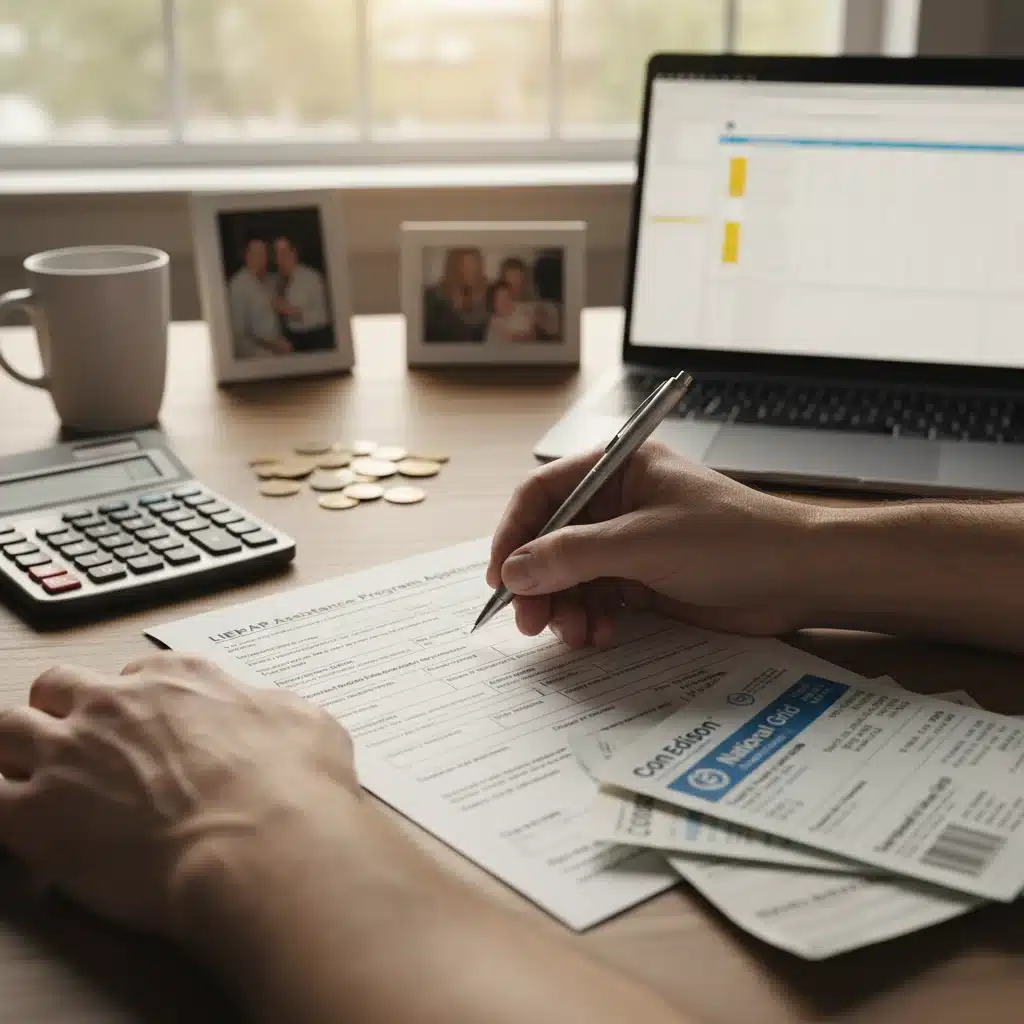
Fill out all sections of the application form completely and accurately. Double-check all personal information, income details, and household member data. Any errors or omissions can lead to delays or rejection. If you have questions, do not hesitate to contact your local LIHEAP office for clarification.
Step 4: Attach All Required Documentation
This is where your preparation pays off. Attach copies of all the documents you gathered in the previous section. Do not send original documents unless specifically instructed, as they may not be returned. Make sure all copies are clear and legible.
Step 5: Submit Your Application
Submit your completed application and all supporting documents according to your local agency’s instructions. This could be online, by mail, or in person. If submitting by mail, consider sending it with a tracking number for your records. If submitting in person, ask for a confirmation receipt.
Step 6: Follow Up (If Necessary)
After submission, it’s a good idea to follow up with your local agency after a reasonable processing period (typically 2-4 weeks) to confirm receipt and check on the status of your application. Be patient, as processing times can increase during peak application periods.
By following these steps diligently, you significantly increase your chances of a successful LIHEAP 2026 Application and securing the energy assistance you need.
Maximizing Your LIHEAP Benefits: Tips and Strategies
While LIHEAP provides essential support, there are strategies you can employ to maximize the impact of your benefits and further reduce your energy burden. Securing up to $800 is a great start, but smart energy practices can stretch that aid even further.
Apply Early:
The adage “the early bird gets the worm” applies perfectly to LIHEAP. Funds are limited and often distributed on a first-come, first-served basis. Applying as soon as the LIHEAP 2026 Application period opens on October 1st can significantly increase your chances of receiving assistance before funds are depleted.
Understand Your Energy Usage:
Knowledge is power, especially when it comes to energy consumption. Review your past utility bills to identify trends in your usage. Understanding when and how you use the most energy can help you pinpoint areas for reduction.
Implement Energy-Saving Practices:
Even small changes can lead to significant savings. Consider the following:
- Thermostat Management: Lower your thermostat a few degrees in winter (e.g., to 68°F during the day and even lower at night or when away).
- Seal Drafts: Use weatherstripping and caulk to seal leaks around windows and doors.
- Insulation: Ensure your attic and walls are adequately insulated. Many states offer weatherization programs that can help with this.
- Appliance Efficiency: Unplug electronics when not in use, use energy-efficient light bulbs, and run major appliances during off-peak hours if your utility offers time-of-use rates.
- Window Coverings: Use heavy curtains or blinds to insulate windows, opening them during sunny winter days to let in natural heat.
Explore Other Assistance Programs:
LIHEAP is often part of a broader network of support. Inquire about other programs that can complement your LIHEAP benefits:
- Weatherization Assistance Program (WAP): This federal program helps low-income households reduce their energy bills by making their homes more energy-efficient.
- Utility Company Programs: Many utility companies offer their own assistance programs, budget billing plans, or energy efficiency audits.
- Local Charities and Non-profits: Community organizations often provide emergency utility assistance or referrals to other resources.
By combining your LIHEAP 2026 Application benefits with smart energy management and exploring additional resources, you can create a robust strategy to keep your home warm and your energy bills manageable throughout the year.
Common Challenges and How to Overcome Them
While the LIHEAP 2026 Application process is designed to be accessible, applicants can sometimes encounter hurdles. Being aware of these common challenges and knowing how to address them can significantly improve your experience.
Missing or Incomplete Documentation:
This is arguably the most frequent cause of application delays or rejections. As emphasized earlier, thorough preparation is paramount. Before submitting, meticulously review your application and all supporting documents against the required checklist. If you’re unsure about a specific document, contact your local LIHEAP office for clarification. They can guide you on acceptable alternatives if you lack a standard form of proof.
Long Wait Times and Processing Delays:
During peak application periods, especially right after the October 1st opening, LIHEAP offices can be overwhelmed. This can lead to longer phone wait times and extended processing periods for applications. Patience is key, but so is proactive communication. If you haven’t heard back within the expected timeframe, politely follow up. Keep a record of all communication, including dates, names of representatives you spoke with, and what was discussed.
Navigating Online Portals:
For those less familiar with technology, online application portals can be a barrier. If you face difficulties, look for resources offering digital literacy assistance in your community, such as local libraries, community centers, or senior centers. Many LIHEAP agencies also offer in-person assistance or phone support to walk you through the online process.
Language Barriers:
If English is not your primary language, understanding the application and communicating with staff can be challenging. Inquire if your local LIHEAP office provides materials or assistance in other languages. Federal regulations often require agencies receiving federal funds to provide language access services.
Understanding Denial Reasons:
If your application is denied, don’t despair. You have the right to know the reason for the denial. Upon receiving a denial letter, carefully read it to understand why. Often, it’s due to missing information or a minor oversight that can be corrected. Most programs have an appeal process. If you believe the decision was an error or you can provide additional documentation to support your case, follow the appeal instructions promptly.
By anticipating these challenges and knowing how to respond, you can increase your confidence and effectiveness in navigating the LIHEAP 2026 Application process, ultimately leading to a successful outcome.
The Broader Impact of LIHEAP Beyond Just Heating Costs
While the primary goal of LIHEAP is to assist with heating and cooling costs, its impact extends far beyond just utility bills. This program plays a vital role in community health, economic stability, and overall well-being. By ensuring that low-income households can afford to heat their homes, LIHEAP directly contributes to preventing health crises, fostering educational attainment, and strengthening local economies.
Health and Safety:
Extreme cold or heat can pose serious health risks, especially for vulnerable populations such as the elderly, young children, and individuals with chronic health conditions. LIHEAP helps prevent cold-related illnesses like hypothermia and frostbite in winter, and heat-related illnesses in summer. By providing a safe and stable indoor environment, it reduces hospitalizations and emergency room visits, thereby alleviating strain on healthcare systems.
Educational Stability:
Children living in homes with inadequate heating or cooling often struggle to focus on their studies. A cold home can make it difficult to sleep, concentrate on homework, or even attend school if illness occurs. LIHEAP ensures that children have a comfortable environment conducive to learning, supporting their educational success and long-term development.
Economic Stability and Poverty Reduction:
Energy bills can consume a disproportionately large share of a low-income family’s budget. By reducing this burden, LIHEAP frees up financial resources that can be used for other essential needs like food, medicine, transportation, or even savings. This not only improves individual household stability but also has a ripple effect on local economies, as more disposable income can be spent on local goods and services. Furthermore, preventing utility disconnections helps families avoid late fees and reconnect charges, which can be significant financial setbacks.
Community Resilience:
LIHEAP contributes to the overall resilience of communities by supporting their most vulnerable members. It reduces stress and anxiety associated with energy insecurity, fostering a greater sense of well-being and security among residents. Community action agencies, which often administer LIHEAP, also serve as hubs for other vital resources, connecting families to a broader network of support.
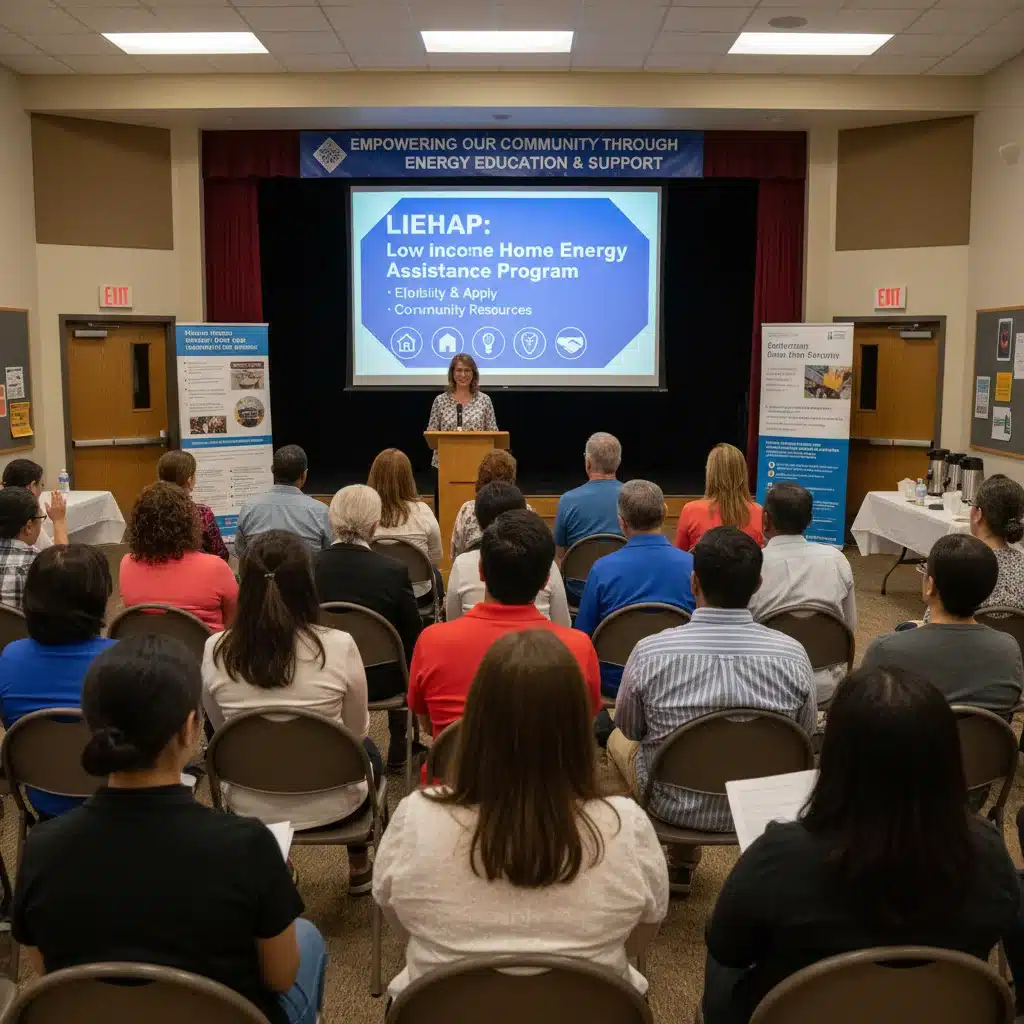
The LIHEAP 2026 Application is therefore not just about a one-time grant; it’s an investment in the health, education, and economic stability of communities nationwide. Understanding this broader impact underscores the importance of applying and advocating for the program’s continued strength.
Key Dates and Reminders for the LIHEAP 2026 Application
To ensure you don’t miss out on this vital assistance, here’s a quick recap of the most important dates and reminders:
- October 1st, 2025: Mark this date on your calendar! The LIHEAP 2026 Application period officially opens. While some states might have slightly staggered openings, this is the general start date for the heating season component.
- Early Application is Crucial: Funds are often distributed on a first-come, first-served basis. Apply as close to October 1st as possible to increase your chances of receiving assistance before funds are depleted.
- Gather Documents Now: Don’t wait until the last minute. Start collecting all necessary documents (proof of identity, income, residency, utility bills) well in advance.
- Know Your Local Agency: Identify your local LIHEAP administering agency and their specific application procedures (online, in-person, mail).
- Stay Informed: Check your state or local agency’s website regularly for any updates or changes to the program.
Conclusion: Secure Your Heating Assistance with the LIHEAP 2026 Application
The prospect of cold winter months and high heating bills can be a source of significant stress for many low-income households. However, the Low Income Home Energy Assistance Program (LIHEAP) offers a powerful solution, providing financial relief that can make a profound difference in maintaining warmth, health, and stability. With applications for LIHEAP 2026 Application opening on October 1st, now is the time to prepare and take action.
By understanding the eligibility criteria, meticulously gathering your documents, and diligently following the application steps outlined in this guide, you can successfully navigate the process and secure up to $800 in heating assistance. Remember, this program is designed to help you, and countless individuals and families have benefited from its support. Don’t let the opportunity to keep your home warm and secure this winter pass you by.
Take the proactive step today: confirm your eligibility, prepare your paperwork, and be ready to submit your LIHEAP 2026 Application on or after October 1st. Your comfort and peace of mind are worth it. Stay warm, stay safe, and let LIHEAP help you through the colder season.