Medicaid Eligibility 2026: What 15% of Americans Need to Know Now

Anúncios
Medicaid Eligibility 2026: What 15% of Americans Need to Know Now
As we navigate the ever-evolving landscape of healthcare in the United States, a significant shift is on the horizon that could impact millions of Americans. The year 2026 is poised to bring about critical changes to Medicaid eligibility, a program that currently provides vital health coverage to over 80 million low-income individuals and families. For approximately 15% of the U.S. population who rely on this essential safety net, understanding these impending adjustments is not just important – it’s absolutely crucial for maintaining access to necessary medical care.
Anúncios
This comprehensive guide aims to demystify the upcoming changes to Medicaid Eligibility 2026. We’ll delve into the historical context of Medicaid, explore the specific policy alterations anticipated, analyze who will be most affected, and provide actionable steps you can take now to prepare. Our goal is to empower you with the knowledge needed to navigate these complex regulations and ensure that you, or your loved ones, continue to receive the healthcare you deserve.
Understanding the Foundation: A Brief History of Medicaid
Before we dive into the specifics of Medicaid Eligibility 2026, it’s essential to grasp the program’s origins and evolution. Medicaid was established in 1965 alongside Medicare, as part of President Lyndon B. Johnson’s “Great Society” initiatives. Its primary purpose was to provide health insurance to low-income Americans, particularly those receiving federal assistance through programs like Aid to Families with Dependent Children (AFDC).
Anúncios
Over the decades, Medicaid has expanded significantly, both in terms of its scope and the populations it serves. Key milestones include:
- Early Expansions (1980s-1990s): Incremental expansions extended coverage to pregnant women, infants, and children in low-income families, even if they weren’t receiving cash assistance.
- Children’s Health Insurance Program (CHIP) (1997): While separate, CHIP often works in conjunction with Medicaid to provide low-cost health coverage to children in families who earn too much to qualify for Medicaid but cannot afford private insurance.
- Affordable Care Act (ACA) (2010): The ACA represented the most significant expansion of Medicaid since its inception. It allowed states to expand Medicaid eligibility to nearly all non-elderly adults with incomes up to 138% of the Federal Poverty Level (FPL). This expansion dramatically increased the number of individuals covered by Medicaid and became a cornerstone of accessible healthcare for millions.
The ACA’s Medicaid expansion was optional for states, leading to a patchwork of coverage across the country. As of early 2024, 41 states and the District of Columbia have expanded their Medicaid programs, while 9 states have not. This state-level variation is a crucial factor in understanding how changes to Medicaid Eligibility 2026 might play out.
Medicaid is jointly funded by the federal and state governments. The federal government contributes a larger share to states that have expanded Medicaid under the ACA, creating a strong incentive for expansion. However, the federal matching rates and the overall federal contribution are subject to legislative decisions, which can influence state-level policies and, consequently, eligibility criteria.
The Impending Changes: What’s Driving Medicaid Eligibility 2026?
The anticipation surrounding Medicaid Eligibility 2026 stems from several factors, primarily related to the unwinding of pandemic-era policies and potential legislative actions. During the COVID-19 public health emergency (PHE), a continuous enrollment provision was enacted, preventing states from disenrolling most Medicaid beneficiaries. This provision ensured uninterrupted coverage during a time of unprecedented health crisis, leading to a significant increase in Medicaid enrollment.
However, the PHE officially ended in May 2023, and with it, the continuous enrollment provision began to unwind. While this process is already underway, its full implications will continue to ripple through the system, potentially culminating in more formalized adjustments by 2026. Key drivers for the expected changes include:
1. Post-PHE Unwinding and Redeterminations
The most immediate and impactful factor is the ongoing process of Medicaid redeterminations. States are now reviewing the eligibility of all Medicaid enrollees, many of whom haven’t had their eligibility checked in years due to the continuous enrollment provision. This massive undertaking is expected to result in millions of people losing coverage, either because they are no longer eligible or due to procedural issues during the redetermination process. While this started in 2023, the full scope of these disenrollments and their downstream effects on state budgets and healthcare access will likely solidify by 2026.
2. Potential Legislative Reforms
Discussions around healthcare reform are a constant in Washington D.C. Depending on the political climate and congressional priorities, there could be legislative efforts to modify federal Medicaid funding formulas, adjust eligibility thresholds, or even introduce new program requirements. These could be driven by desires to reduce federal spending, increase state flexibility, or address perceived inefficiencies. Any major federal legislative changes would directly impact Medicaid Eligibility 2026 across all states.
3. State-Level Policy Adjustments
Even without federal mandates, states continuously evaluate and adjust their Medicaid programs. Factors like state budget health, gubernatorial priorities, and the outcomes of the post-PHE unwinding could lead individual states to modify their eligibility criteria, benefit packages, or administrative processes. These state-specific changes, while not universal, can significantly alter access to Medicaid for residents within those states.
4. Economic Factors and Inflation
Economic conditions, including inflation and changes in the Federal Poverty Level (FPL), indirectly affect Medicaid eligibility. As the FPL is updated annually, the income thresholds for Medicaid also shift. A robust economy might lead to more people earning above eligibility limits, while an economic downturn could increase the number of eligible individuals. These economic shifts will play a role in the overall landscape of Medicaid Eligibility 2026.
Who Will Be Most Affected by Changes to Medicaid Eligibility 2026?
While changes to Medicaid can affect a broad spectrum of the population, certain groups are particularly vulnerable and should pay close attention to the evolving rules for Medicaid Eligibility 2026.
1. Low-Income Adults in Non-Expansion States
In the states that have not expanded Medicaid under the ACA, there remains a coverage gap: adults with incomes above their state’s very low Medicaid limits but below the federal poverty level are often ineligible for Medicaid and also for ACA marketplace subsidies. Any further tightening of eligibility or changes to federal funding could exacerbate this issue, leaving more individuals without affordable healthcare options.
2. Individuals Experiencing Income Fluctuations
Many Medicaid beneficiaries work in jobs with unstable hours or fluctuating pay. These individuals are particularly susceptible to losing coverage during redeterminations if their income temporarily rises above the threshold or if they miss a notification from their state Medicaid agency. The administrative burden of reapplying or proving ongoing eligibility can be a significant hurdle.
3. Children and Families
Historically, children have been a priority for Medicaid coverage. However, during the post-PHE unwinding, millions of children have already lost coverage. While some may transition to CHIP or employer-sponsored plans, others may become uninsured. Future changes to Medicaid Eligibility 2026 could further impact families and children, especially if there are adjustments to income disregards or family composition rules.
4. Individuals with Disabilities and Seniors
Medicaid plays a critical role in providing long-term care and support for individuals with disabilities and seniors, often covering services not fully covered by Medicare. Changes to asset limits, income calculations, or the availability of Home and Community-Based Services (HCBS) waivers could significantly affect these vulnerable populations, potentially forcing them into institutional care or leaving them without essential support.
5. Rural Populations
Rural areas often face unique challenges in healthcare access, including fewer providers and longer travel distances. Any changes that lead to a reduction in Medicaid enrollment could disproportionately impact rural communities, further straining their already limited healthcare infrastructure.
Key Areas of Potential Change in Medicaid Eligibility 2026
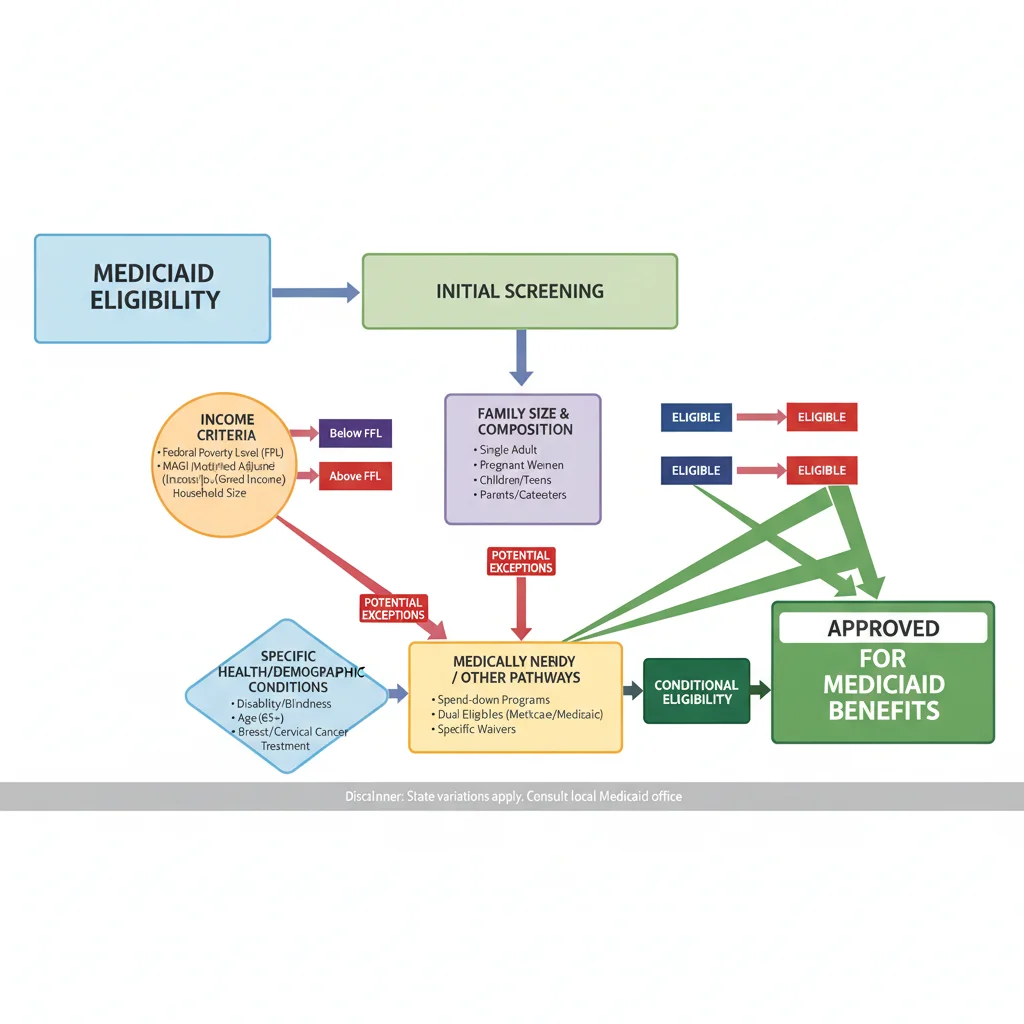
While it’s impossible to predict exact policy decisions, several areas are frequently discussed in the context of Medicaid reform and could see significant adjustments by 2026. Understanding these potential shifts is key to preparing for the future of Medicaid Eligibility 2026.
1. Income and Asset Limits
The most direct way to impact eligibility is through changes to income and asset limits. Federal poverty levels are updated annually, but states have discretion within federal guidelines to set their own thresholds. There could be legislative proposals to:
- Adjust the Federal Poverty Level (FPL) percentage: Currently, ACA expansion states cover up to 138% FPL. A federal change could alter this percentage, either up or down.
- Modify income disregards: These are portions of income that are not counted when determining eligibility. Changes here could make it harder or easier to qualify.
- Reintroduce or strengthen asset tests: For many non-elderly, non-disabled adults in expansion states, asset tests (limits on savings, property, etc.) have been largely eliminated. However, for seniors and individuals with disabilities, asset tests remain critical. Any changes to these tests could have profound effects.
2. Work Requirements
The concept of work requirements for Medicaid beneficiaries has been a contentious issue. While the Biden administration largely rescinded approvals for work requirements, future administrations or congressional action could revive this policy. If implemented, work requirements would mandate that certain adult beneficiaries engage in work, job training, or community service for a specified number of hours per week to maintain eligibility. This would significantly complicate Medicaid Eligibility 2026 for many.
3. Enrollment and Redetermination Processes
The post-PHE unwinding has highlighted significant challenges in state administrative processes for redetermining eligibility. Improvements or new requirements could be introduced to streamline these processes, reduce procedural disenrollments, and ensure that eligible individuals don’t lose coverage due to administrative hurdles. Conversely, more stringent requirements could make it harder to enroll or re-enroll.
4. Benefit Packages and Cost-Sharing
While not strictly an eligibility change, modifications to Medicaid benefit packages or the introduction of new cost-sharing requirements (premiums, co-pays, deductibles) could effectively reduce access to care, even for those who remain eligible. States have some flexibility in this area, and federal policy could also influence these decisions. Increased cost-sharing could create financial barriers to care for low-income individuals.
5. Federal Funding Structure
The federal matching rate for Medicaid is a critical component of the program. Any adjustments to this rate, or to the overall structure of federal contributions (e.g., block grants), could force states to re-evaluate their own spending and, consequently, their eligibility criteria and benefit offerings. A reduction in federal funding could lead states to tighten eligibility for Medicaid Eligibility 2026.
Preparing for Medicaid Eligibility 2026: Actionable Steps
Given the potential for significant changes, proactive preparation is essential. Here are actionable steps you can take now to stay informed and ensure continued access to healthcare, regardless of what Medicaid Eligibility 2026 brings:
1. Stay Informed About Your State’s Medicaid Program
Medicaid is administered at the state level, so the most direct impact of any changes will be felt locally. Regularly check your state’s Medicaid agency website for updates. Sign up for email alerts or newsletters if available. Understand your state’s current eligibility criteria, including income and asset limits, and any specific rules for your demographic (e.g., pregnant women, children, adults with disabilities).
2. Keep Your Contact Information Updated
During redetermination periods, states send out crucial notices and requests for information. Ensure your state Medicaid agency has your current mailing address, phone number, and email address. If you move, update your information immediately. Missing a critical piece of mail could result in a loss of coverage due to procedural reasons.
3. Understand Your Current Eligibility Status and Renewal Date
Know when your Medicaid coverage is up for renewal. Many states are sending out renewal packets months in advance. When you receive your renewal form, complete it accurately and return it promptly, providing all requested documentation. Do not assume your coverage will automatically continue.
4. Gather Necessary Documentation
Be prepared to provide documentation of your income, household size, residency, and any other relevant information. This might include pay stubs, tax returns, bank statements, birth certificates, and utility bills. Having these documents organized and readily accessible can expedite the renewal process and prevent delays.
5. Explore Other Coverage Options
If you anticipate or fear losing Medicaid coverage, begin exploring alternative healthcare options. These might include:
- Employer-Sponsored Health Insurance: If you or a family member has access to coverage through an employer, investigate the costs and benefits.
- Affordable Care Act (ACA) Marketplace: Losing Medicaid coverage is typically a qualifying life event, allowing you to enroll in a plan through the ACA marketplace (HealthCare.gov or your state’s exchange) outside of the open enrollment period. Many individuals qualify for significant subsidies to help pay for premiums and out-of-pocket costs.
- Children’s Health Insurance Program (CHIP): If you have children, they might qualify for CHIP, even if you don’t qualify for Medicaid.
- Community Health Centers: These centers often provide affordable care on a sliding scale based on income, regardless of insurance status.
6. Seek Assistance from Navigators or Enrollment Counselors
Navigating healthcare systems can be complex. Free assistance is often available from trained navigators, enrollment counselors, or legal aid organizations. These professionals can help you understand your options, complete applications, and appeal adverse decisions. Your state Medicaid agency or local health department can often provide referrals.
7. Advocate for Your Healthcare Needs
Stay engaged with healthcare policy discussions. Contact your elected officials at both state and federal levels to voice your concerns and support for strong Medicaid programs. Collective advocacy can play a role in shaping the future of Medicaid Eligibility 2026 and beyond.

The Broader Impact of Medicaid Eligibility Changes
Changes to Medicaid Eligibility 2026 will extend beyond individual beneficiaries, impacting the entire healthcare ecosystem and the broader economy. Understanding these ripple effects can underscore the importance of these policies.
1. Strain on Healthcare Providers
Hospitals, clinics, and individual providers rely on Medicaid reimbursement for a significant portion of their patient base. A substantial reduction in Medicaid enrollment could lead to increased uncompensated care costs, financial strain on providers, and potentially reduced access to services, especially in areas with a high concentration of Medicaid patients. Rural hospitals, already operating on thin margins, could be particularly vulnerable.
2. Public Health Implications
Medicaid provides essential coverage for preventive care, chronic disease management, and mental health services. A loss of coverage for millions could lead to a decline in public health outcomes, an increase in preventable emergency room visits, and a rise in untreated chronic conditions. This could also exacerbate existing health disparities among different demographic groups.
3. Economic Consequences
Medicaid is not just a health program; it’s also a significant economic driver. Federal and state Medicaid spending supports jobs in the healthcare sector and related industries. Any cuts or significant changes could have a negative impact on local economies. Furthermore, a less healthy workforce due to lack of insurance can reduce productivity and increase societal costs.
4. Increased Burden on Safety Net Programs
If individuals lose Medicaid coverage, they may turn to other safety net programs, such as community health centers, free clinics, and emergency rooms, for their healthcare needs. While these services are vital, they are not designed to replace comprehensive health insurance and can become overwhelmed if demand increases significantly.
5. Impact on State Budgets
States bear a significant portion of Medicaid costs. While some states might see short-term savings from reduced enrollment, the long-term costs associated with managing a sicker, uninsured population could be higher. States will need to carefully balance their budgets with the healthcare needs of their residents, especially as federal matching rates potentially shift.
Conclusion: Navigating the Future of Medicaid Eligibility 2026
The prospect of changes to Medicaid Eligibility 2026 is a significant concern for the approximately 15% of Americans who rely on this program for their healthcare. While the exact contours of these changes are still developing, it’s clear that vigilance and proactive preparation will be essential.
By understanding the historical context of Medicaid, recognizing the drivers of impending changes, identifying the most affected populations, and taking concrete steps to prepare, individuals and families can better navigate this complex landscape. Staying informed through official state channels, updating personal information, and exploring all available coverage options are critical actions.
Medicaid is more than just an insurance program; it’s a lifeline for millions, ensuring access to medical care that can prevent illness, manage chronic conditions, and provide peace of mind. As we approach 2026, the collective effort of individuals, advocacy groups, and policymakers will be crucial in shaping a future where essential healthcare remains accessible to all who need it.
Don’t wait until the last minute. Start your preparation now to ensure a smooth transition and continued access to the healthcare services you and your family deserve.