Medicaid Expansion 2026: State-by-State Eligibility & Impact
Anúncios
Understanding Medicaid Expansion in 2026: A State-by-State Comparison of New Eligibility Thresholds
The landscape of healthcare in the United States is constantly evolving, and one of the most significant components of this evolution is Medicaid. As we approach 2026, understanding the intricacies of Medicaid Expansion 2026 becomes paramount for individuals, healthcare providers, and policymakers alike. This comprehensive guide delves into the anticipated changes, state-by-state comparisons of eligibility thresholds, and the broader implications of these shifts. The Affordable Care Act (ACA) of 2010 laid the groundwork for significant changes in health insurance coverage, including the option for states to expand their Medicaid programs. This expansion aimed to cover more low-income adults who previously fell into a coverage gap – earning too much for traditional Medicaid but too little for ACA marketplace subsidies. While many states have embraced expansion, a notable number have not, creating a mosaic of access across the nation. The year 2026 holds particular significance as various factors, including potential legislative adjustments, economic shifts, and evolving state priorities, are expected to influence how Medicaid programs operate and who they serve. Our focus today is to dissect these potential changes, offering a detailed analysis that illuminates the path forward for healthcare access in America.
Anúncios
The Foundation of Medicaid Expansion: A Brief History and Its Purpose
Before we dive into the specifics of Medicaid Expansion 2026, it’s crucial to grasp the historical context and fundamental purpose of Medicaid. Established in 1965 as part of the Social Security Act, Medicaid is a joint federal and state program that provides health coverage to millions of low-income Americans, including children, pregnant women, parents, seniors, and individuals with disabilities. The program’s design allows states significant flexibility in administering their programs, leading to variations in eligibility criteria and covered services across the country.
The ACA’s Medicaid expansion provision, initially mandated for all states, was later made optional by a 2012 Supreme Court ruling. This ruling profoundly impacted the trajectory of healthcare access. States that opted for expansion received enhanced federal funding to cover newly eligible adults with incomes up to 138% of the Federal Poverty Level (FPL). This expansion was designed to reduce the uninsured rate, improve health outcomes, and alleviate the financial burden on hospitals by decreasing uncompensated care. The decision to expand or not has created a stark divide, with expansion states generally experiencing lower uninsured rates and better access to care for their low-income populations.
The ongoing debate surrounding Medicaid expansion often centers on financial implications for states, concerns about dependency on federal funding, and philosophical differences regarding the role of government in healthcare. However, the evidence consistently points to the positive impact of expansion on health outcomes, economic stability for families, and local economies. As we look towards 2026, these foundational principles continue to shape discussions and decisions at both federal and state levels, influencing the future of healthcare for millions.
Anúncios
Current State of Medicaid Expansion: A Pre-2026 Snapshot
As of late 2023 and early 2024, the majority of U.S. states have adopted Medicaid expansion. However, a significant number of states, primarily in the South, have yet to expand their programs. This creates a challenging situation for many low-income adults in non-expansion states who remain without affordable health insurance options. These individuals often find themselves in the aforementioned ‘coverage gap,’ where their income is too high for traditional Medicaid but too low to qualify for subsidies to purchase insurance on the ACA marketplaces.
The states that have expanded Medicaid have seen substantial benefits. Studies have shown reductions in uninsured rates, improved access to primary care and preventative services, and better management of chronic conditions. Hospitals in expansion states have also reported significant reductions in uncompensated care costs, leading to greater financial stability for healthcare systems. Conversely, non-expansion states continue to grapple with higher uninsured rates, greater reliance on emergency rooms for primary care, and more significant financial strain on hospitals serving uninsured populations.
The political and economic dynamics in non-expansion states are complex, often involving debates over state budgets, perceived federal overreach, and differing ideological approaches to social welfare programs. However, there is ongoing pressure and advocacy for these states to expand, particularly as the federal government continues to offer generous matching funds for expansion populations. Understanding this current landscape is crucial for projecting the potential changes and impacts of Medicaid Expansion 2026.
Key Factors Influencing Medicaid Expansion in 2026
Several critical factors are expected to shape the trajectory of Medicaid Expansion 2026. These include federal policy shifts, state budgetary considerations, economic conditions, and ongoing public health needs. Each of these elements plays a significant role in determining how states approach their Medicaid programs and whether non-expansion states will finally opt in.
Federal Policy and Funding
The federal government’s stance on Medicaid funding and regulations is a primary driver of state decisions. While the enhanced federal match for expansion populations has been a powerful incentive, any changes to this funding mechanism or new federal mandates could significantly alter state calculations. Discussions around block grants or per capita caps for Medicaid, though not currently enacted, could profoundly impact the program’s structure and states’ willingness to expand or maintain their current expansion status. The political climate in Washington D.C. and the composition of Congress and the presidential administration will undoubtedly influence these federal policy directions.
State Budgetary Considerations
Even with significant federal contributions, states bear a portion of the cost for Medicaid expansion. Economic downturns or unexpected state budget shortfalls can make states hesitant to commit to new or expanded programs, despite the long-term economic benefits often associated with expansion, such as increased tax revenue from a healthier workforce and reduced uncompensated care costs. Conversely, periods of economic prosperity might provide states with more fiscal flexibility to consider expansion.
Economic Conditions and Unemployment Rates
Economic conditions directly impact the number of individuals eligible for Medicaid. During periods of high unemployment or economic recession, more people may fall below the FPL, increasing the demand for Medicaid services. This heightened demand can put pressure on states to consider expansion or to ensure their existing programs are robust enough to handle increased enrollment. The economic outlook for 2026 will thus be a crucial determinant of Medicaid’s role in supporting vulnerable populations.
Public Health Needs and Lessons from Recent Crises
Recent public health crises, such as the COVID-19 pandemic, have underscored the critical importance of a strong public health infrastructure and broad access to healthcare. These events have highlighted the vulnerabilities of populations without health insurance and the societal benefits of ensuring widespread coverage. The lessons learned from these crises may motivate states to reassess their non-expansion positions, recognizing the critical role Medicaid plays in public health preparedness and response. The ongoing need for accessible mental health services and substance abuse treatment also continues to drive discussions around expanded Medicaid coverage.
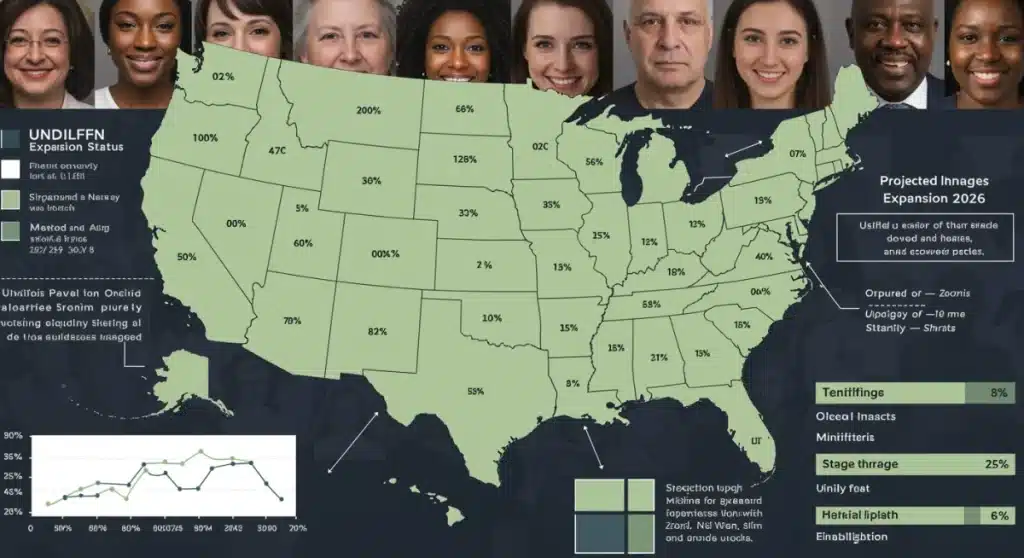
Projected State-by-State Eligibility Thresholds for 2026
Predicting exact eligibility thresholds for Medicaid Expansion 2026 requires an understanding of current policies, anticipated FPL updates, and potential legislative changes within each state. While the federal standard for expansion states remains at 138% of the FPL for non-disabled adults, the actual income figures will adjust annually based on inflation and other economic indicators. For non-expansion states, their traditional Medicaid eligibility limits, which are often significantly lower, will continue to apply unless they opt to expand.
Expansion States: Maintaining the 138% FPL Standard
For the majority of states that have already expanded Medicaid, the core eligibility criterion for non-disabled adults will likely remain at 138% of the Federal Poverty Level. What will change annually is the actual dollar amount corresponding to 138% FPL. For instance, if the FPL for a single individual in 2026 is projected to be around $14,580 (this is an illustrative figure, actual FPL will be released by HHS), then 138% FPL would be approximately $20,110. This means an individual earning up to that amount would be eligible. These figures are crucial for individuals to understand if they qualify for coverage. States will continue to adjust their programs to align with these federal guidelines, ensuring that eligible low-income adults can access comprehensive health services.
Non-Expansion States: The Persistent Coverage Gap
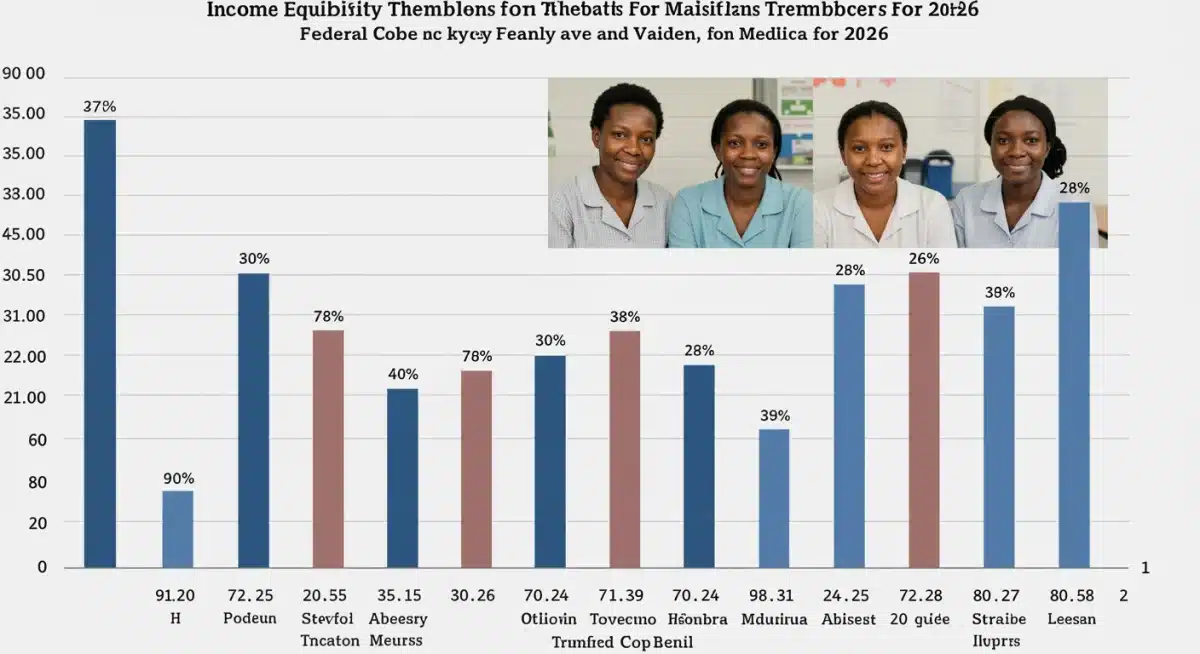
In states that have not expanded Medicaid, the eligibility criteria for non-disabled adults will remain much more restrictive. These states typically limit Medicaid eligibility to specific categories, such as pregnant women, children, parents with very low incomes, and individuals with disabilities, often at income levels well below the FPL. For example, some non-expansion states might only cover parents with incomes at or below 30-50% of the FPL, while childless adults remain largely ineligible, regardless of how low their income is. The ‘coverage gap’ will persist in these states, leaving millions without a viable pathway to affordable health insurance. The pressure on these states to expand may intensify by 2026, driven by economic arguments, health equity concerns, and continued federal incentives.
Potential New Expansion States by 2026
The possibility of additional states adopting Medicaid expansion by 2026 is a significant consideration. Political shifts, successful ballot initiatives, or evolving economic conditions could prompt some of the remaining non-expansion states to finally opt in. If a state decides to expand, its eligibility criteria for non-disabled adults would then align with the 138% FPL standard, drastically increasing access to healthcare for its low-income population. Monitoring legislative developments and public sentiment in these states will be key to understanding the full picture of Medicaid Expansion 2026.
Financial Implications and Economic Impact of Medicaid Expansion in 2026
The financial and economic impacts of Medicaid Expansion 2026 extend far beyond individual health coverage, affecting state budgets, healthcare providers, and local economies. The federal government’s significant financial contribution to expansion states has been a major factor in its adoption and sustainability.
Federal Funding and State Costs
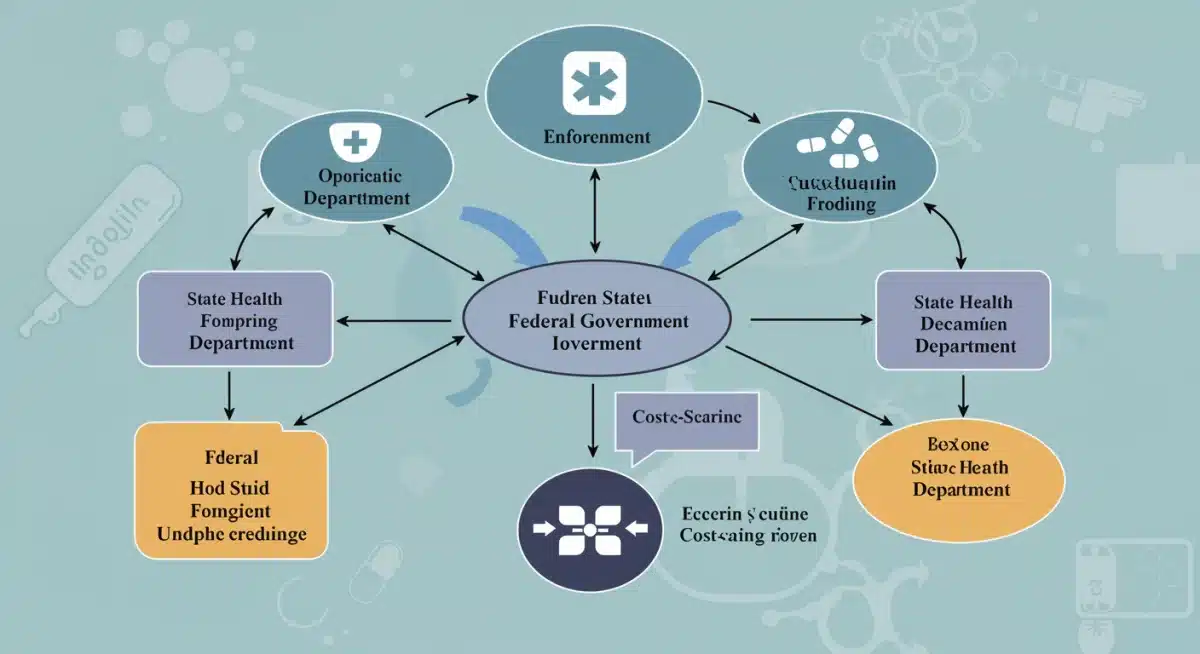
Under the ACA, the federal government covers a substantial portion of the costs for newly eligible individuals in expansion states. Initially, the federal share was 100%, gradually decreasing to 90% in 2020 and remaining at that level. This means that for every dollar spent on the expansion population, the federal government pays 90 cents, leaving states responsible for only 10 cents. This generous federal matching rate significantly reduces the financial burden on states, often making expansion a net positive for state budgets when considering the economic benefits.
For non-expansion states, the decision not to expand means foregoing these federal funds. This not only leaves millions uninsured but also means states are missing out on billions of federal dollars that could stimulate their economies and support their healthcare infrastructure. The cost of not expanding often manifests in higher uncompensated care costs for hospitals, which are ultimately borne by insured patients through higher premiums and by taxpayers through safety-net programs.
Impact on Healthcare Providers and Systems
Hospitals and healthcare providers in expansion states generally experience improved financial stability due to a reduction in uncompensated care. When more people are insured through Medicaid, providers are reimbursed for services that might otherwise go unpaid. This financial relief can allow hospitals to invest in new technologies, expand services, and improve patient care. Primary care providers also see increased patient volumes and better continuity of care, as more individuals can access regular check-ups and preventative services.
In non-expansion states, hospitals, particularly those in rural areas, often face severe financial strain due to a higher proportion of uninsured patients. This can lead to hospital closures, reduced services, and limited access to care for entire communities. The disparities in healthcare access and financial stability between expansion and non-expansion states are likely to persist, and potentially widen, by 2026 if no significant changes occur.
Broader Economic Benefits
The economic benefits of Medicaid expansion extend beyond the healthcare sector. Increased federal funding flowing into a state stimulates economic activity, supporting jobs in healthcare and related industries. A healthier workforce is also a more productive workforce, leading to reduced absenteeism, improved economic participation, and greater overall prosperity. Studies have shown that Medicaid expansion can lead to lower medical debt, fewer bankruptcies, and improved credit scores for low-income individuals, contributing to greater financial stability for families and communities. These broader economic advantages are key arguments for further Medicaid Expansion 2026.
Challenges and Opportunities for Medicaid Expansion in 2026
While the benefits of Medicaid expansion are well-documented, the path to universal coverage through this program is not without its challenges. However, these challenges also present opportunities for innovation and improvement as we look towards 2026.
Challenges: Political Hurdles and Administrative Complexities
The most significant challenge remains the political will in non-expansion states. Overcoming ideological opposition and convincing state legislatures of the economic and health benefits of expansion continues to be an uphill battle. Even in expansion states, administrative complexities can arise, such as managing increased enrollment, ensuring adequate provider networks, and adapting to changing federal regulations. Workforce shortages in healthcare, particularly in rural areas, can also strain the capacity of the Medicaid system to serve all eligible beneficiaries effectively.
Opportunities: Innovation and Program Enhancements
Despite the challenges, Medicaid Expansion 2026 presents numerous opportunities. States can leverage federal funding to innovate in healthcare delivery, focusing on preventative care, chronic disease management, and addressing social determinants of health. Telehealth services, which saw rapid expansion during the pandemic, offer a promising avenue to improve access to care, especially in underserved areas. Furthermore, states can implement programs that integrate physical and behavioral health services, addressing the holistic needs of their populations.
There’s also an opportunity for greater collaboration between state Medicaid agencies, community organizations, and healthcare providers to streamline enrollment processes and improve outreach to eligible individuals. Data-driven approaches can help identify gaps in care and target interventions more effectively. For non-expansion states, the ongoing debate offers an opportunity to re-evaluate their positions, considering the overwhelming evidence of positive impacts and the potential to improve the health and economic well-being of their citizens.
Role of the Federal Poverty Level (FPL) in 2026 Medicaid Eligibility
The Federal Poverty Level (FPL) is a cornerstone of Medicaid eligibility, especially for expansion populations. Understanding its role and how it’s determined is vital for grasping Medicaid Expansion 2026. The FPL is an income threshold set annually by the U.S. Department of Health and Human Services (HHS). It varies based on family size and is used to determine eligibility for a wide range of federal programs, including Medicaid, Medicare Savings Programs, and ACA marketplace subsidies.
How FPL is Calculated and Updated
The FPL is calculated based on the cost of a minimum food diet multiplied by three, reflecting the assumption that food costs constitute approximately one-third of a family’s budget. This calculation is then adjusted for inflation. Each year, HHS releases updated FPL guidelines, usually in January, which then apply to various federal programs. For Medicaid Expansion 2026, the FPL figures released in early 2026 will be the critical benchmark for determining income eligibility.
Impact on Eligibility Thresholds
In states that have expanded Medicaid, non-disabled adults are eligible if their income is up to 138% of the FPL. As the FPL increases each year, the corresponding income threshold for Medicaid eligibility also rises. This means that individuals who might not have qualified in a previous year due to slightly higher income could become eligible in 2026 if the FPL increases sufficiently. Conversely, if an individual’s income rises at a faster rate than the FPL, they might lose eligibility. This annual adjustment requires ongoing awareness and communication to ensure beneficiaries and potential applicants understand the current criteria.
FPL and the Coverage Gap
The FPL also defines the ‘coverage gap’ in non-expansion states. In these states, traditional Medicaid programs often have very low income thresholds for parents (e.g., 30-50% FPL) and virtually no coverage for childless adults, regardless of income. Individuals in these states whose incomes fall above the traditional Medicaid threshold but below 100% of the FPL (the minimum income to qualify for ACA marketplace subsidies) are in the coverage gap. They are too ‘rich’ for traditional Medicaid and too ‘poor’ for marketplace subsidies, leaving them uninsured. The FPL’s annual update will continue to define the parameters of this gap, underscoring the ongoing need for expansion in these states.
Navigating Medicaid in 2026: Advice for Beneficiaries and Stakeholders
For individuals and families, staying informed about Medicaid Expansion 2026 is crucial. Eligibility criteria can change, and understanding these changes can mean the difference between having access to vital healthcare and facing significant medical debt.
For Individuals and Families
- Stay Informed: Regularly check your state’s Medicaid agency website for the most up-to-date eligibility requirements and application procedures. The FPL figures for 2026 will be released early in the year, so be aware of these new thresholds.
- Apply or Reapply: If you believe you might be eligible, or if your income or household situation has changed, apply for Medicaid. If you are already enrolled, ensure your contact information is current to receive renewal notices.
- Understand Your State’s Status: Know whether your state has expanded Medicaid. This will significantly impact your potential eligibility. If you live in a non-expansion state, explore other options like employer-sponsored insurance, ACA marketplace plans (if your income allows for subsidies), or community health clinics.
- Seek Assistance: Many states offer navigators or assisters who can help you understand your options and complete the application process. Utilize these free resources.
For Healthcare Providers and Organizations
- Educate Patients: Healthcare providers are often the first point of contact for individuals seeking care. Educating patients about Medicaid eligibility and enrollment processes can significantly improve access to care.
- Advocate for Expansion: In non-expansion states, continued advocacy for Medicaid expansion is vital. Highlight the benefits for patients, hospitals, and the broader economy.
- Adapt to Policy Changes: Stay abreast of federal and state policy changes that may affect reimbursement rates, covered services, and administrative requirements for Medicaid programs.
- Strengthen Networks: Ensure that provider networks are robust enough to handle current and potentially increased Medicaid enrollment, especially in areas with significant health disparities.
Conclusion: The Future of Healthcare Access with Medicaid Expansion 2026
The journey towards universal healthcare coverage in the United States is complex and multifaceted, with Medicaid Expansion 2026 standing as a critical component. The state-by-state variations in eligibility thresholds highlight the ongoing disparities in access to care, creating a patchwork system that leaves millions vulnerable. As we move closer to 2026, the decisions made by state legislatures, the actions of federal policymakers, and the evolving economic landscape will collectively shape the future of Medicaid. For individuals, understanding these changes is not just about policy; it’s about securing access to essential health services that can profoundly impact their quality of life and financial stability. For stakeholders, advocating for policies that promote broader coverage and equitable access remains a paramount responsibility. The goal of a healthier, more secure population for all Americans continues to drive the ongoing dialogue and efforts surrounding Medicaid expansion, making its status in 2026 a landmark indicator of progress in healthcare access.