Decoding 2026: US Diplomatic Challenges Ahead
Anúncios
The Future of International Relations: 2026’s Top 3 Diplomatic Challenges for the United States
As the geopolitical landscape continues its relentless evolution, the year 2026 looms as a critical juncture for US diplomatic challenges 2026. The United States, a perennial titan in international affairs, finds itself at a crossroads, navigating a labyrinth of complex global dynamics. From resurgent great power competition to the disruptive force of technological innovation and the pervasive specter of climate change, the tapestry of international relations is being rewoven in unprecedented ways. Understanding these challenges is not merely an academic exercise; it is essential for shaping effective foreign policy, safeguarding national interests, and promoting global stability.
The Biden administration, and indeed any future administration, must grapple with a world that is less predictable and more multipolar than at any time in recent memory. The certainties of the post-Cold War era have given way to an era of strategic ambiguity, where alliances are tested, adversaries are emboldened, and new forms of influence emerge. This article delves into what we project to be the top three diplomatic challenges confronting the United States in 2026, offering a comprehensive analysis of their origins, implications, and potential pathways for resolution.
Anúncios
These US diplomatic challenges 2026 are not isolated phenomena; they are interconnected, often exacerbating one another, demanding a holistic and adaptable approach from Washington. The stakes are profoundly high, encompassing economic prosperity, national security, human rights, and the very fabric of the liberal international order. As we look towards 2026, the capacity of American diplomacy to innovate, adapt, and lead will be more crucial than ever.
Challenge 1: Navigating Great Power Competition and Shifting Alliances
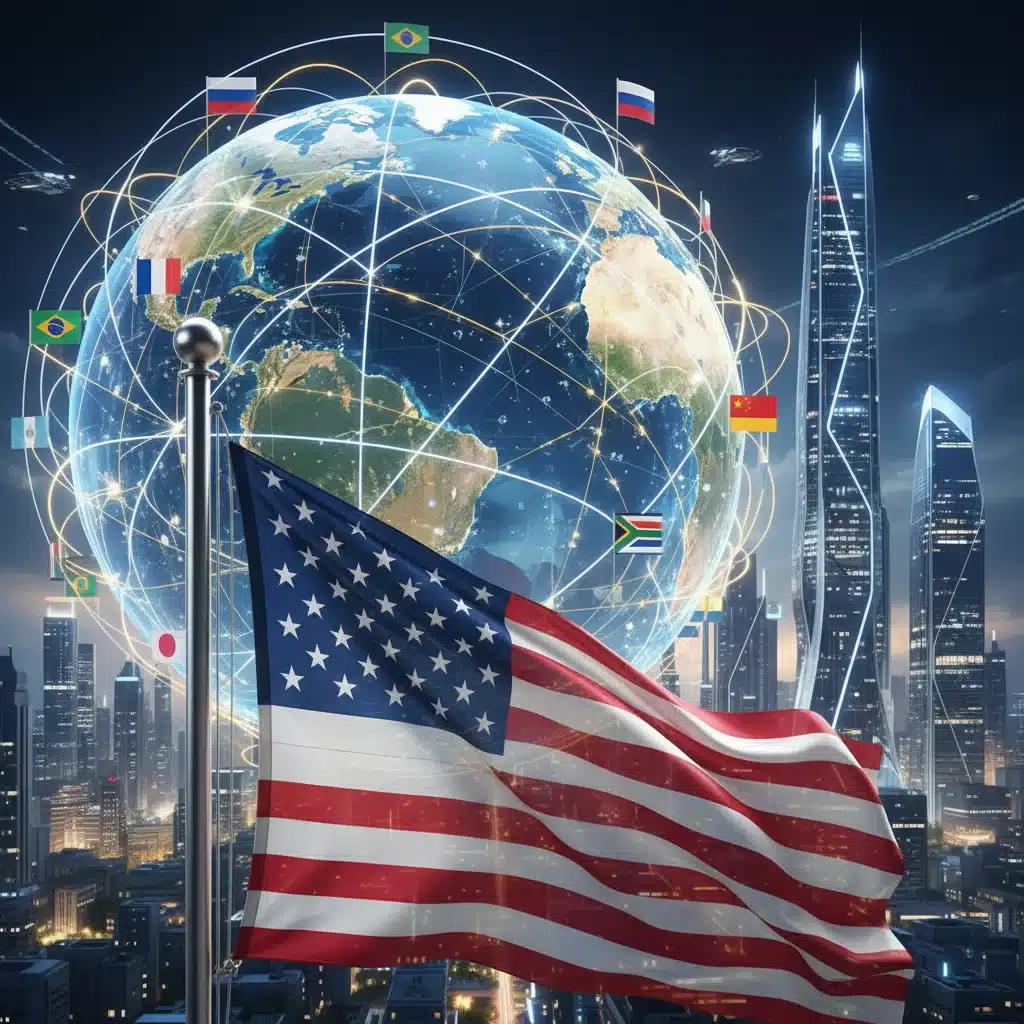
The resurgence of great power competition stands as arguably the most formidable of the US diplomatic challenges 2026. The unipolar moment of American dominance following the collapse of the Soviet Union has definitively ended. We are now firmly entrenched in an era characterized by the assertive rise of China and the enduring, if often disruptive, influence of Russia, alongside the growing agency of regional powers.
Anúncios
The Rise of China: A Systemic Rival
China’s trajectory is perhaps the most significant factor reshaping the global order. Its economic might, technological advancements, and increasing military capabilities present a multifaceted challenge to the United States. In 2026, this rivalry will likely intensify across several domains:
- Economic Competition: China’s Belt and Road Initiative (BRI) continues to expand its global economic footprint, offering an alternative development model to Western-led institutions. The US must counter this by strengthening its own economic partnerships, promoting fair trade practices, and investing in competitive infrastructure projects globally. Diplomatic efforts will focus on ensuring a level playing field and preventing economic coercion.
- Technological Supremacy: The race for technological dominance, particularly in areas like artificial intelligence, quantum computing, 5G, and biotechnology, will be a central battleground. China’s state-backed approach to innovation poses a significant threat to American technological leadership. US diplomacy in 2026 will need to forge alliances with like-minded nations to set global standards, protect intellectual property, and diversify supply chains away from over-reliance on Chinese manufacturing. This involves sensitive negotiations around export controls, data governance, and collaborative research and development.
- Military Modernization and Regional Assertiveness: China’s rapid military modernization, particularly its naval and air forces, continues to alter the strategic balance in the Indo-Pacific. Its assertiveness in the South China Sea, growing pressure on Taiwan, and expanding presence in the Indian Ocean and Africa will demand a robust and coordinated diplomatic response. The US will need to reinforce its alliances with Japan, South Korea, Australia, and the Philippines, while also engaging new partners like India and Vietnam, to maintain a free and open Indo-Pacific. This requires a delicate balance of deterrence and dialogue, ensuring regional stability without escalating tensions.
- Ideological and Governance Models: Beyond economics and security, China presents an alternative model of governance — authoritarian state capitalism — that challenges democratic norms and institutions globally. US diplomacy must actively promote democratic values and human rights, supporting civil society and independent media, while demonstrating the efficacy and resilience of democratic systems.
Russia’s Enduring Challenge and European Security
Despite its economic vulnerabilities, Russia remains a significant disruptive force, particularly in Europe. The ongoing conflict in Ukraine will continue to cast a long shadow over international relations in 2026. US diplomatic challenges 2026 related to Russia include:
- Sustaining Support for Ukraine: Maintaining international unity and robust support for Ukraine, both military and economic, will be paramount. This involves complex diplomatic efforts to manage varying levels of commitment among allies and to counter Russian disinformation campaigns.
- NATO Cohesion and Expansion: Strengthening NATO’s eastern flank and ensuring the alliance’s continued cohesion will be critical. The integration of new members like Finland and Sweden, and potential future expansions, will require careful diplomatic navigation to address security concerns and operational interoperability.
- Energy Security: Europe’s efforts to diversify away from Russian energy sources will continue, requiring US diplomatic support for alternative energy infrastructure and suppliers, while also managing the global energy market volatility.
- Arms Control and Strategic Stability: The erosion of existing arms control treaties and the development of new weapon systems by Russia pose significant risks. US diplomacy will need to explore new frameworks for strategic stability and risk reduction, even amidst heightened tensions.

Shifting Alliances and the Rise of the Global South
The traditional US-centric alliance system is undergoing transformations. While core alliances remain vital, many nations in the Global South are increasingly asserting their independence, seeking to avoid alignment with either Washington or Beijing. This presents a new set of US diplomatic challenges 2026:
- Engaging Non-Aligned Nations: The US must develop more flexible and appealing diplomatic strategies to engage countries that prefer a non-aligned stance. This means offering genuine partnerships based on mutual respect, shared development goals, and respect for sovereignty, rather than demanding allegiance.
- Multilateralism and Institution Building: Reinvigorating and reforming multilateral institutions like the UN, WTO, and WHO will be crucial. These platforms offer avenues for cooperation and consensus-building that can address global challenges beyond great power competition.
- Regional Power Dynamics: Understanding and engaging with rising regional powers — such as India, Brazil, South Africa, and Indonesia — will be essential. These nations often have their own regional ambitions and perspectives that must be integrated into a broader US foreign policy strategy.
Challenge 2: Managing the Digital Frontier & Technological Competition
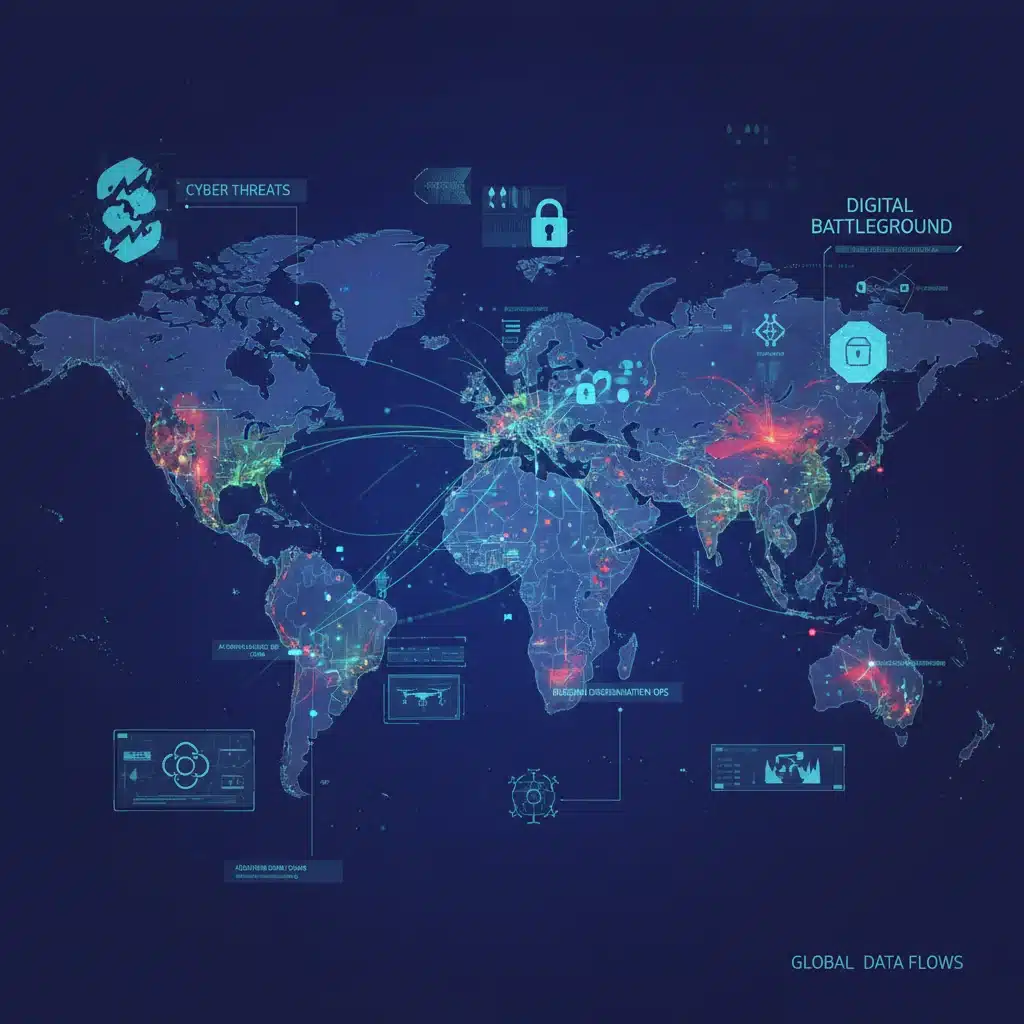
The digital revolution, while offering immense opportunities, simultaneously presents profound US diplomatic challenges 2026. Technology has become a central arena for geopolitical competition, influencing everything from national security to economic prosperity and societal stability.
Cybersecurity Threats and Digital Warfare
Cybersecurity will remain a top-tier diplomatic concern in 2026. State-sponsored cyberattacks, ransomware campaigns by criminal organizations, and the proliferation of sophisticated cyber tools pose constant threats to critical infrastructure, government networks, and private enterprises globally. The diplomatic challenges include:
- Establishing International Norms: The absence of universally accepted international norms for cyberspace makes it a volatile domain. US diplomacy must lead efforts to negotiate and implement agreements on responsible state behavior in cyberspace, clarifying red lines and promoting accountability for malicious activities. This involves engaging with both allies and adversaries, a complex task given the divergent interests.
- Cyber Deterrence and Response: Developing effective cyber deterrence strategies requires careful diplomatic signaling and capabilities. The US must work with allies to build collective cyber defenses, share intelligence, and coordinate responses to significant cyber incidents. This includes establishing clear mechanisms for attribution and retaliation, which themselves carry diplomatic risks of escalation.
- Combating Disinformation and Foreign Interference: The use of digital platforms for disinformation campaigns and foreign interference in democratic processes remains a persistent threat. Diplomacy will be crucial in fostering international cooperation to identify, expose, and counter such efforts, without infringing on freedom of speech. This often involves difficult conversations with tech companies and partner governments about content moderation and platform accountability.
AI Governance and Ethical Frameworks
Artificial intelligence (AI) is rapidly advancing, promising transformative benefits but also raising serious ethical, security, and economic questions. The lack of international consensus on AI governance is a significant diplomatic challenge:
- Preventing an AI Arms Race: The potential for autonomous weapons systems and AI-powered surveillance technologies to destabilize international security is immense. US diplomacy must advocate for international agreements to prevent an uncontrolled AI arms race, focusing on transparency, accountability, and human control over lethal autonomous weapons.
- Setting Global Standards for AI Ethics: Different nations and blocs are developing their own ethical guidelines for AI. The challenge for US diplomacy is to promote a human-centric approach to AI development, emphasizing fairness, privacy, and non-discrimination, and to work towards harmonizing global standards to prevent regulatory fragmentation and ensure responsible innovation.
- AI and Economic Disruption: The economic implications of AI, including job displacement and widening inequality, will have geopolitical repercussions. Diplomacy will be needed to discuss strategies for managing these transitions, promoting inclusive growth, and ensuring that the benefits of AI are shared broadly.
Supply Chain Resilience for Critical Technologies
The COVID-19 pandemic starkly exposed the vulnerabilities of global supply chains, particularly for critical technologies like semiconductors. In 2026, the diplomatic imperative to secure these supply chains will be even greater:
- Diversification and "Friend-Shoring": US diplomacy will focus on diversifying supply chains away from single points of failure, particularly those in geopolitical rival nations. This includes "friend-shoring" — encouraging manufacturing and sourcing from allied or politically stable countries. This requires complex negotiations on trade, investment, and technology transfer with partner nations.
- Strategic Reserves and Investment: Working with allies to establish strategic reserves of critical components and investing in domestic and allied manufacturing capabilities will be key. Diplomatic efforts will aim to create incentives and frameworks for collaborative investment in these high-tech sectors.
- Data Governance and Digital Sovereignty: As data becomes the new oil, nations are increasingly asserting "digital sovereignty," seeking control over data generated within their borders. US diplomacy must navigate these varying approaches to data governance, promoting open data flows where appropriate while respecting national security and privacy concerns, and preventing digital protectionism from fragmenting the global internet.
Challenge 3: Addressing Transnational Threats & Global Commons
Beyond great power competition and technological rivalry, a host of transnational threats and challenges to the global commons will demand sustained diplomatic attention from the United States in 2026. These issues, by their very nature, transcend national borders and require multilateral cooperation for effective resolution.
Climate Change and Environmental Degradation
Climate change remains an existential threat, and its diplomatic implications are profound and far-reaching. In 2026, the US diplomatic challenges 2026 related to climate will include:
- Accelerating Decarbonization Efforts: The US will need to continue pushing for ambitious national commitments to reduce greenhouse gas emissions under the Paris Agreement. This involves diplomatic engagement with major emitters like China and India, as well as developing nations, to foster greater cooperation on climate action and technology transfer.
- Climate Finance and Adaptation: A critical diplomatic challenge will be mobilizing adequate climate finance for developing countries to transition to clean energy and adapt to the impacts of climate change. This includes fulfilling past commitments and innovating new financial mechanisms. The US will need to bridge the gap between developed and developing nations on issues of climate justice and historical responsibility.
- Climate Diplomacy and Security: Climate change acts as a threat multiplier, exacerbating existing conflicts and creating new ones through resource scarcity, migration, and extreme weather events. US diplomacy must integrate climate considerations into its security strategies, working with international partners to address climate-induced instability and humanitarian crises.
- Protecting Biodiversity and Oceans: Beyond carbon emissions, the broader environmental crisis — including biodiversity loss and ocean degradation — demands urgent attention. Diplomatic efforts will focus on strengthening international agreements for conservation, combating illegal fishing, and promoting sustainable resource management.
Global Health Security and Pandemic Preparedness
The COVID-19 pandemic served as a stark reminder of the interconnectedness of global health. In 2026, ensuring global health security will remain a critical US diplomatic challenge 2026:
- Strengthening the WHO and Global Health Architecture: Reforming and strengthening the World Health Organization (WHO) and other global health institutions will be paramount. This involves diplomatic efforts to secure sustainable funding, improve governance, and enhance their capacity for surveillance, early warning, and rapid response to future pandemics.
- Equitable Vaccine and Therapeutic Access: Ensuring equitable access to vaccines, diagnostics, and therapeutics globally, particularly for low-income countries, will be a continuing diplomatic priority. This includes advocating for intellectual property waivers where appropriate, promoting local manufacturing capabilities, and supporting global distribution mechanisms.
- One Health Approach: Diplomacy will need to promote a "One Health" approach, recognizing the interconnectedness of human, animal, and environmental health. This involves fostering international cooperation on zoonotic disease surveillance, antimicrobial resistance, and food safety.
Migration, Refugees, and Humanitarian Crises
Forced displacement and humanitarian crises are growing in scale and complexity, driven by conflict, climate change, and economic disparities. Managing these challenges will require sensitive and coordinated diplomatic responses:
- International Cooperation on Migration Governance: Developing comprehensive and humane approaches to migration requires international cooperation. US diplomacy will engage with sending, transit, and host countries to manage irregular migration, protect the rights of migrants and refugees, and address the root causes of displacement.
- Humanitarian Aid and Crisis Response: Sustaining and increasing international humanitarian aid will be crucial for addressing ongoing and emerging crises. This involves diplomatic efforts to secure funding, ensure humanitarian access, and coordinate relief efforts with international organizations and NGOs.
- Addressing Root Causes of Conflict: Ultimately, reducing displacement requires addressing the underlying conflicts and instability that drive it. US diplomacy will continue to play a vital role in conflict prevention, mediation, and peacebuilding efforts in fragile states.
Conclusion: The Imperative of Adaptable Diplomacy
The year 2026 will present the United States with a formidable array of US diplomatic challenges 2026, each demanding strategic foresight, robust engagement, and a willingness to adapt. The era of predictable international relations is over; what remains is a dynamic, multipolar world where influence is contested, and cooperation is both essential and elusive.
Successfully navigating great power competition will require a delicate balance of strength and diplomacy, reinforcing alliances while keeping channels open for dialogue with adversaries. The digital frontier demands not only technological prowess but also a concerted diplomatic push to establish norms, manage risks, and leverage opportunities for collective good. Finally, addressing transnational threats like climate change and global health crises necessitates a renewed commitment to multilateralism and shared responsibility.
The United States’ capacity to meet these challenges will hinge on several key factors:
- Investing in Diplomacy: A strong and well-resourced diplomatic corps is the nation’s first line of defense and offense in shaping international outcomes.
- Renewing Alliances: Strengthening existing alliances and forging new partnerships, particularly with nations in the Global South, will be paramount.
- Leveraging Soft Power: Reaffirming America’s commitment to democratic values, human rights, and humanitarian principles will enhance its moral authority and influence.
- Strategic Patience and Adaptability: Solutions to complex global problems rarely come quickly. US diplomacy must cultivate strategic patience, remaining adaptable and willing to adjust approaches as global dynamics evolve.
As 2026 approaches, the world watches to see how the United States will rise to these challenges. The future of international relations, and indeed global stability, will be significantly shaped by the diplomatic choices made in Washington. The path ahead is undoubtedly arduous, but with astute leadership and a renewed commitment to global engagement, the United States can continue to play a constructive and stabilizing role in an increasingly complex world.