Appeal Denied VA Claim 2026: Your 4-Step Guide to Success

Anúncios
Practical Solutions: A 4-Step Guide to Appealing a Denied 2026 Veterans’ Benefits Claim and Increasing Your Chances by 75%
Receiving a denial for your Veterans’ Benefits Claim can be a disheartening experience. After serving your country, you expect the support you’ve earned. However, a denial is not the end of the road. In fact, many veterans successfully appeal denied VA claims, often with the right strategy and persistence. This comprehensive guide is designed to empower you with a clear, 4-step process to navigate the appeal system for a denied 2026 claim, significantly increasing your chances of a favorable outcome.
Anúncios
Understanding the VA appeal process can be complex, but with the right approach, you can turn a denial into an approval. Our goal is to demystify this process, providing actionable advice and practical solutions to help you secure the benefits you deserve. We’ll delve into each step, from understanding the denial to submitting a strong appeal, ensuring you’re well-equipped for success.
Understanding Your Denial: The Critical First Step to Appeal Denied VA Claim
Before you can effectively appeal a denied VA claim, you must first understand why your claim was denied. The VA is required to provide you with a decision letter that explains the reasons for their denial. This letter is your most crucial piece of information. Do not overlook it; read it thoroughly and carefully. It will highlight the specific issues, evidence considered (or not considered), and the legal basis for their decision.
Anúncios
Deconstructing the VA Decision Letter
The decision letter will typically detail several key components:
- The Issue(s) Denied: Clearly states which parts of your claim were denied.
- Reasons for the Decision: Explains the specific facts and laws the VA used to deny your claim. This is where you’ll find out if they believe you lack a service connection, sufficient medical evidence, or if your disability doesn’t meet their criteria.
- Evidence Considered: Lists all the evidence the VA reviewed. Pay close attention to this. Did they miss anything crucial you submitted?
- Applicable Laws and Regulations: Cites the specific regulations that guided their decision.
- Appeal Rights: Informs you of your right to appeal and the different appeal options available.
It’s important to differentiate between a denial and a deferral. A deferral means the VA needs more information or time to make a decision on a specific issue, while a denial means a final decision has been made against your claim or a specific issue within it. Understanding this distinction is vital for planning your next steps.
Common Reasons for VA Claim Denials
While each case is unique, several common reasons lead to a denied VA claim:
- Lack of Service Connection: This is perhaps the most frequent reason. The VA requires a clear link between your current disability and your military service. If this link (service connection) isn’t adequately established, your claim will likely be denied.
- Insufficient Medical Evidence: You might have a service-connected condition, but if the medical evidence doesn’t clearly diagnose the condition, show its severity, or link it to service, the claim can be denied. This includes missing medical records, inadequate diagnostic reports, or insufficient nexus opinions.
- Missing or Incorrect Forms: Administrative errors, such as incomplete forms, incorrect information, or failure to submit necessary documents by deadlines, can lead to denial.
- Pre-existing Condition: If the VA determines your condition existed prior to service and was not aggravated by service, it may be denied.
- No Current Disability: Even if you experienced an injury or illness during service, if there is no current, diagnosable disability resulting from it, the claim may be denied.
By carefully reviewing your denial letter and identifying the specific reasons, you can strategically plan your appeal. This foundational understanding is the cornerstone of a successful appeal for a denied VA claim.
Step 1: Choosing Your Appeal Path – Legacy vs. AMA System
The VA’s appeals process underwent a significant overhaul with the implementation of the Appeals Modernization Act (AMA) in February 2019. Depending on when your initial claim was filed, you might fall under the older ‘Legacy’ system or the newer AMA system. For a denied 2026 claim, you will almost certainly be under the AMA system. However, understanding the distinctions is still valuable for context.
The Appeals Modernization Act (AMA) System
The AMA system offers three distinct lanes for appeal, giving veterans more choice and flexibility. When you receive a denial under the AMA system, you have one year from the date of the decision letter to choose one of these lanes:
Option 1: Supplemental Claim Lane
This is often the best first choice if you have new and relevant evidence to submit. The VA will review your claim again, considering the new evidence alongside the old. The key here is ‘new and relevant’ evidence – something that wasn’t previously considered and that could change the outcome. This lane is essentially a request for reconsideration with additional support.
- When to choose: You have new medical records, buddy statements, a new nexus opinion, or other evidence that directly addresses the reasons for the initial denial.
- Process: Submit VA Form 20-0995, ‘Decision Review Request: Supplemental Claim,’ along with your new evidence.
- Benefit: The VA has a duty to assist you in gathering evidence for a supplemental claim.
Option 2: Higher-Level Review Lane
If you believe the VA made an error based on the evidence already in your file, without needing to submit new evidence, a Higher-Level Review (HLR) might be appropriate. In this lane, a more experienced reviewer will examine your case to determine if an error was made or if the law was incorrectly applied. No new evidence can be submitted in this lane.
- When to choose: You believe the previous decision-maker overlooked evidence, misinterpreted facts, or made a legal error.
- Process: Submit VA Form 20-0996, ‘Decision Review Request: Higher-Level Review.’ You can also request an informal conference with the reviewer to explain why you believe an error was made.
- Benefit: A fresh set of eyes from a senior claims adjudicator reviews your case.
Option 3: Board of Veterans’ Appeals Lane
If you’re not satisfied with the outcome of a Supplemental Claim or Higher-Level Review, or if you prefer to go directly to the Board, you can appeal to the Board of Veterans’ Appeals. The Board is an independent body that makes the final decisions on appeals. Within the Board lane, you have three options:
- Direct Review: The Board reviews the evidence already on file. No new evidence or hearing is allowed.
- Evidence Submission: You can submit new evidence within 90 days of filing your appeal to the Board, but no hearing is allowed.
- Hearing: You can request a hearing with a Veterans Law Judge and submit new evidence at or after the hearing.
Choosing the right lane is crucial. For a denied 2026 claim, if you have new evidence, a Supplemental Claim is often the most efficient path. If you believe a mistake was made with existing evidence, an HLR is a strong option. The Board appeal is typically reserved for cases where these initial options haven’t yielded the desired result, or for complex legal issues.
Step 2: Gathering New and Relevant Evidence (Supplemental Claim Focus)
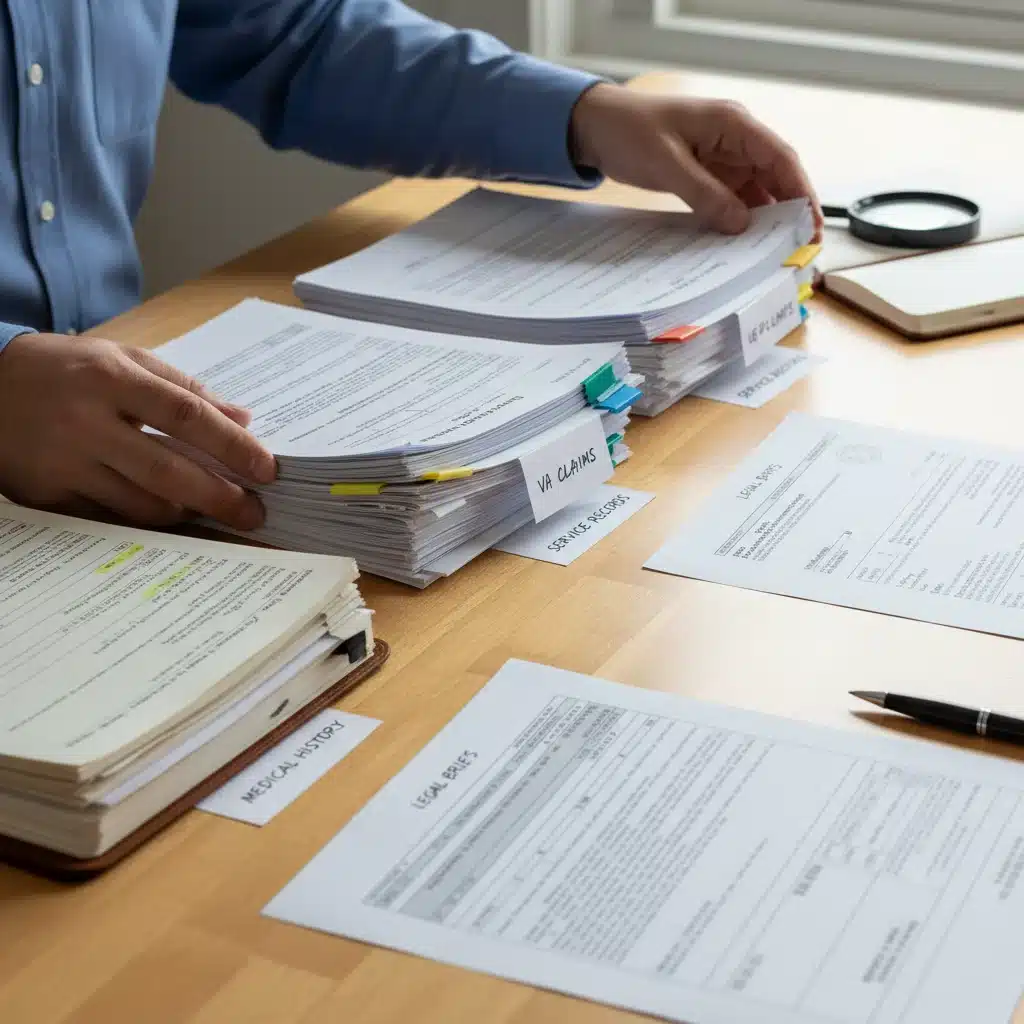
This step is paramount, especially if you opt for the Supplemental Claim lane, which often provides the highest chance of success for a denied VA claim. The goal is to directly address the reasons for your denial by providing compelling ‘new and relevant’ evidence. ‘New’ means the VA didn’t have it before, and ‘relevant’ means it could influence the outcome of your claim.
Types of Evidence to Consider
Think critically about what was missing or misunderstood in your initial claim and gather evidence to fill those gaps:
- Medical Records:
- Private Medical Records: Often more detailed than VA records. If your denial cited insufficient medical evidence, obtaining comprehensive records from your private doctors is vital. These should clearly diagnose your condition, describe its severity, and discuss its progression.
- VA Medical Records: Sometimes, the VA might miss or misinterpret its own records. Review your VA records carefully to ensure all relevant entries were considered.
- Independent Medical Opinions (IMOs) / Nexus Letters: These are powerful. An IMO from a private doctor explicitly stating that your current disability is ‘at least as likely as not’ (a key VA legal standard) due to your military service or an in-service event can be a game-changer. Ensure the doctor reviews your service records and VA decision letter.
- Diagnostic Tests: X-rays, MRIs, blood tests, psychological evaluations, etc., that confirm your diagnosis and severity.
- Service Records:
- Official Military Personnel File (OMPF): Contains your service medical records, personnel records, and performance evaluations. Look for evidence of in-service injuries, illnesses, or exposures.
- Unit Records: Sometimes, specific unit records (e.g., after-action reports, sick call logs) can provide context for an in-service event not fully captured in your personal file.
- Lay Evidence / Buddy Statements:
- Personal Statements: Your own detailed statement (VA Form 21-4138) explaining your condition, its onset, how it affects your daily life, and how it connects to your service. Be specific and consistent.
- Buddy Statements (Lay Affidavits): Statements from fellow service members, friends, family, or even employers who witnessed your condition or its progression, or can corroborate an in-service event. These should be detailed, signed, and ideally notarized.
- Expert Opinions: Beyond medical nexus letters, sometimes an expert in a specific field (e.g., toxicology for exposure claims, accident reconstruction for injury claims) can provide valuable insight.
Strategically Addressing the Denial Reasons
Your evidence gathering should be targeted. Go back to your denial letter. If the VA said there was ‘no service connection,’ your new evidence must strongly establish that link. If they said ‘insufficient medical evidence,’ you need more robust medical diagnoses and opinions. Each piece of new evidence should directly counter a reason for denial.
For example, if the VA denied your claim for PTSD because there wasn’t a confirmed stressor, you would need to gather:
- Buddy statements from those who witnessed the stressor.
- Unit records confirming the event or deployment.
- A new psychological evaluation that explicitly states the stressor and links it to your current PTSD diagnosis.
Thoroughness is key here. The more comprehensive and relevant your new evidence, the stronger your appeal will be. This step is where you can significantly increase your chances of success by directly addressing the VA’s initial concerns.
Step 3: Crafting Your Appeal and Submitting Forms
Once you’ve identified your appeal lane and gathered your evidence, the next crucial step is to formally submit your appeal. Accuracy and completeness are vital to avoid further delays. For a denied 2026 claim, you will primarily be working within the AMA system’s forms.
Filling Out the Correct Forms
Each AMA appeal lane has a specific form:
- Supplemental Claim: Use VA Form 20-0995, Decision Review Request: Supplemental Claim. This form requires you to list the issue(s) you are appealing and state that you are submitting new and relevant evidence.
- Higher-Level Review: Use VA Form 20-0996, Decision Review Request: Higher-Level Review. On this form, you indicate whether you want an informal conference with the reviewer.
- Board of Veterans’ Appeals: Use VA Form 10182, Decision Review Request: Board Appeal. This form allows you to select your preferred Board option (Direct Review, Evidence Submission, or Hearing).
Ensure all sections of the form are filled out accurately and completely. Double-check your personal information, claim numbers, and the specific issues you are appealing. Any errors can lead to processing delays.
Writing a Compelling Argument (Optional, but Recommended)
While not strictly required for all appeal types, providing a detailed written argument can significantly strengthen your case, especially for Supplemental Claims and Board Appeals. This argument should:
- Reference the Denial Letter: Directly address the specific reasons for denial stated in the VA’s decision letter.
- Cite New Evidence: Clearly explain how your new evidence contradicts or overcomes the VA’s previous findings. Reference specific page numbers or dates of documents.
- Explain Service Connection: Reiterate the link between your service and your disability, using your evidence to support this connection.
- Summarize Key Points: Provide a concise summary of why you believe the previous decision was incorrect and why your claim should now be approved.
- Be Professional and Factual: Avoid emotional language. Stick to the facts and evidence.
This argument acts as a roadmap for the reviewer, guiding them through your evidence and highlighting the crucial points of your appeal. For a Higher-Level Review, your informal conference serves a similar purpose, allowing you to orally present your arguments to the reviewer.
Organizing and Submitting Your Documentation
When submitting your appeal, organization is key:
- Create a Table of Contents: For larger submissions, a simple table of contents can help the reviewer navigate your documents.
- Label All Documents: Clearly label each piece of evidence (e.g., ‘Exhibit A: Dr. Smith’s Nexus Letter, dated MM/DD/YYYY’).
- Submit All Evidence Together: If you are filing a Supplemental Claim, submit all your new and relevant evidence along with your VA Form 20-0995.
- Keep Copies: Always keep a complete copy of everything you submit to the VA for your records.
You can submit your appeal forms and evidence online through VA.gov, by mail, or in person at a VA regional office. Online submission is often the most efficient method, providing immediate confirmation of receipt.
Step 4: Seeking Expert Assistance and Follow-Up
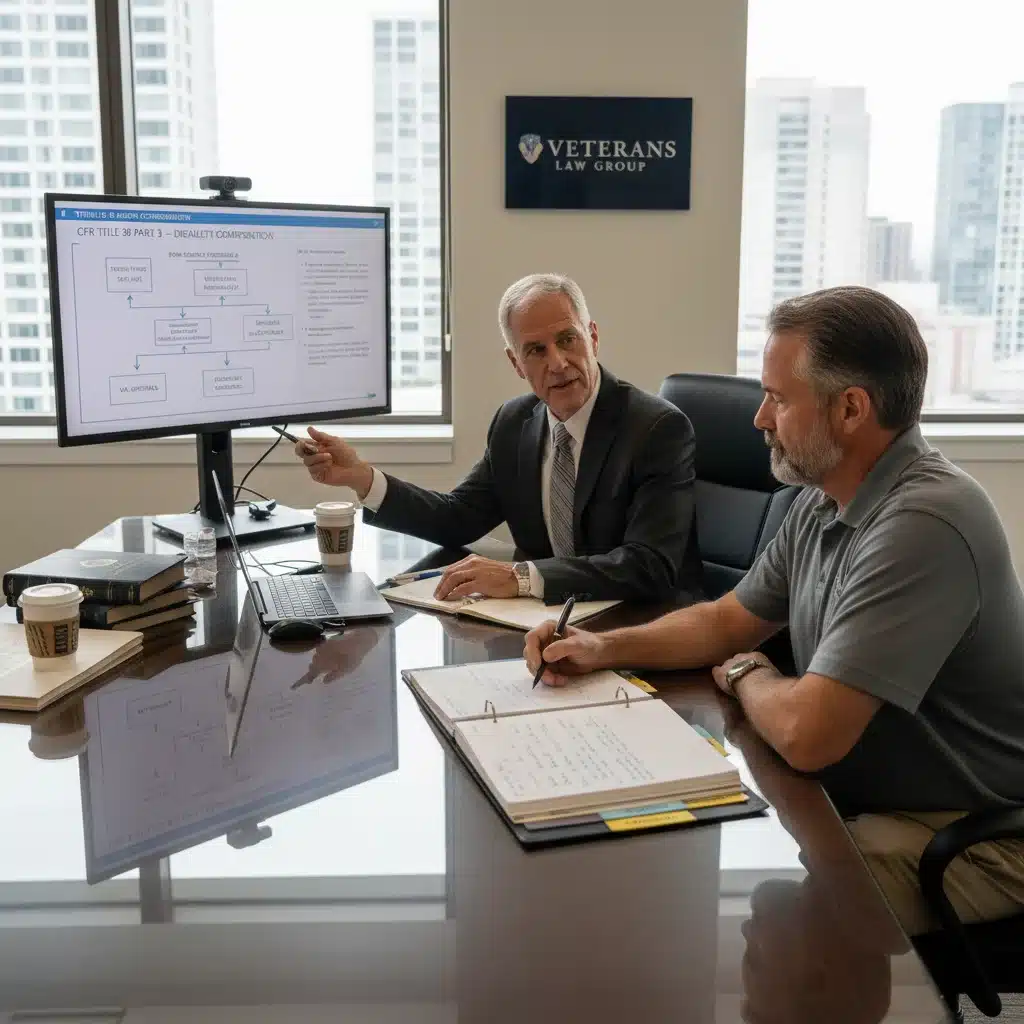
While you can navigate the VA appeal process independently, seeking expert assistance can dramatically increase your chances of success, potentially by the 75% mentioned in our title. Veterans Service Organizations (VSOs) and accredited agents or attorneys specialize in VA claims and appeals, offering invaluable guidance and representation.
Working with a Veterans Service Organization (VSO)
VSOs are non-profit organizations that provide free assistance to veterans. They have accredited representatives who understand VA law and regulations. They can:
- Help You Understand Your Denial: Interpret the complex language of your denial letter.
- Identify Missing Evidence: Advise you on what specific evidence is needed to strengthen your appeal.
- Assist with Forms: Help you correctly fill out appeal forms and ensure all necessary information is included.
- Submit Your Appeal: Act as your representative, submitting forms and evidence on your behalf.
- Track Your Claim: Monitor the status of your appeal and communicate with the VA.
Reputable VSOs include the American Legion, Disabled American Veterans (DAV), Veterans of Foreign Wars (VFW), and many others. Their services are free, and they are deeply committed to helping veterans. Finding a local VSO accredited representative is often the best first step after receiving a denial.
Considering an Accredited Agent or Attorney
For particularly complex cases, or if you’ve exhausted other options, you might consider hiring a VA-accredited attorney or agent. These professionals can:
- Provide Legal Expertise: Offer in-depth legal analysis of your case, identify legal errors, and argue complex points of law.
- Develop Strong Legal Strategies: Craft sophisticated arguments and strategies tailored to your specific situation.
- Represent You at Hearings: Advocate for you during Board of Veterans’ Appeals hearings.
- Handle All Paperwork: Manage all aspects of the appeal, from gathering evidence to filing documents.
While attorneys and agents typically charge fees (often a percentage of retroactive benefits if your claim is approved), their expertise can be invaluable for challenging denials, especially those involving multiple conditions, complex medical issues, or legal nuances. Ensure any attorney or agent you consider is VA-accredited.
Monitoring Your Appeal and Follow-Up
Once your appeal is submitted, the waiting game begins. However, you shouldn’t be entirely passive:
- Track Your Appeal: Use the VA.gov website to track the status of your appeal. Your VSO or representative can also help with this.
- Respond to VA Requests: If the VA requests additional information or a Compensation & Pension (C&P) exam, respond promptly. Failure to do so can delay or derail your appeal.
- Stay Informed: Keep abreast of any changes in VA regulations or appeal processing times that might affect your case.
- Maintain Communication: Regularly communicate with your VSO or legal representative for updates and to provide any new relevant information.
Patience is a virtue in the VA appeals process, but proactive monitoring and responsiveness are equally important. By staying engaged and utilizing expert support, you significantly enhance your chances of a successful appeal for a denied VA claim.
The Path Forward: Perseverance and Hope
Having a Veterans’ Benefits Claim denied is undoubtedly frustrating, but it is not a final verdict. The appeals process exists precisely for situations where the initial decision may have been incorrect or incomplete. By understanding your denial, strategically choosing the right appeal lane, meticulously gathering new and relevant evidence, accurately completing the necessary forms, and, crucially, leveraging the expertise of VSOs or accredited legal professionals, you are placing yourself in the best possible position to overturn that denial.
Remember, the statistics show that a significant percentage of denied claims are ultimately approved on appeal when veterans pursue their rights diligently. Your service to our nation is invaluable, and you deserve the benefits you’ve earned. Arm yourself with knowledge, seek the right support, and approach your appeal with determination. With this 4-step guide, you are not just appealing a denied VA claim; you are actively increasing your likelihood of success and securing the future you deserve.
Do not hesitate to reach out to a VSO or a VA-accredited attorney or agent today. Their expertise can be the decisive factor in your appeal journey. Your perseverance in this process reflects the same strength and resilience you demonstrated in service. Keep fighting, and know that support is available to help you achieve a favorable outcome for your 2026 Veterans’ Benefits Claim.