
In the ever-evolving world of finance, investors are constantly seeking reliable avenues to grow their wealth while preserving capital. As we cast our gaze towards the Fixed Income Outlook 2026, a critical question emerges for many: how can one achieve a desirable 5% yield, and which instruments—bonds or Certificates of Deposit (CDs)—are best positioned to deliver this?
The financial landscape of 2026 is anticipated to be shaped by a confluence of factors, including inflation trends, central bank policies, geopolitical developments, and global economic growth. Understanding these dynamics is paramount for making informed investment decisions, particularly within the fixed income sector. This comprehensive analysis will delve deep into the intricacies of bonds and CDs, providing a comparative framework to help investors navigate the choices ahead.
Anúncios
For years, fixed income investments have been the bedrock of many portfolios, offering stability and predictable income streams. However, the pursuit of a 5% yield in the current or projected environment requires a nuanced understanding of risk, liquidity, and market conditions. Both bonds and CDs offer distinct advantages and disadvantages, and their suitability depends heavily on an individual’s financial goals, risk tolerance, and time horizon.
The Current Fixed Income Landscape and Future Projections for 2026
Before we dissect the individual merits of bonds and CDs, it’s essential to set the stage by examining the broader Fixed Income Outlook 2026. The post-pandemic era has been characterized by significant volatility, with central banks aggressively raising interest rates to combat inflation. While inflation appears to be cooling in many major economies, the path forward is rarely linear.
Anúncios
Economists generally anticipate that interest rates, while perhaps not reaching their peak again, will likely remain elevated compared to the ultra-low levels seen in the 2010s. This sustained higher-rate environment presents both challenges and opportunities for fixed income investors. For those seeking a 5% yield, it means that such returns might be more attainable than in periods of quantitative easing and near-zero rates.
Key factors influencing the 2026 outlook include:
- Inflationary Pressures: While moderating, persistent inflationary pressures could prompt central banks to maintain a hawkish stance, supporting higher yields.
- Economic Growth: A robust global economy could lead to increased demand for capital, pushing bond yields higher. Conversely, a slowdown could lead to flight-to-safety, depressing yields on government bonds.
- Central Bank Policies: The Federal Reserve, European Central Bank, and other major central banks’ decisions on interest rates and balance sheet management will be pivotal.
- Geopolitical Risks: Ongoing conflicts and international tensions can introduce uncertainty, impacting market sentiment and capital flows.
Understanding these macro trends is crucial for positioning a portfolio to capitalize on the Fixed Income Outlook 2026. The quest for a 5% yield is not merely about finding the highest-yielding instrument, but about balancing that yield with appropriate risk management.
Certificates of Deposit (CDs): The Foundation of Stability
Certificates of Deposit, or CDs, are often lauded for their simplicity and safety. They are essentially time deposits offered by banks and credit unions, where you agree to keep your money locked up for a specified period in exchange for a fixed interest rate. When considering the Fixed Income Outlook 2026 and the pursuit of a 5% yield, CDs can play a significant role.
Advantages of CDs
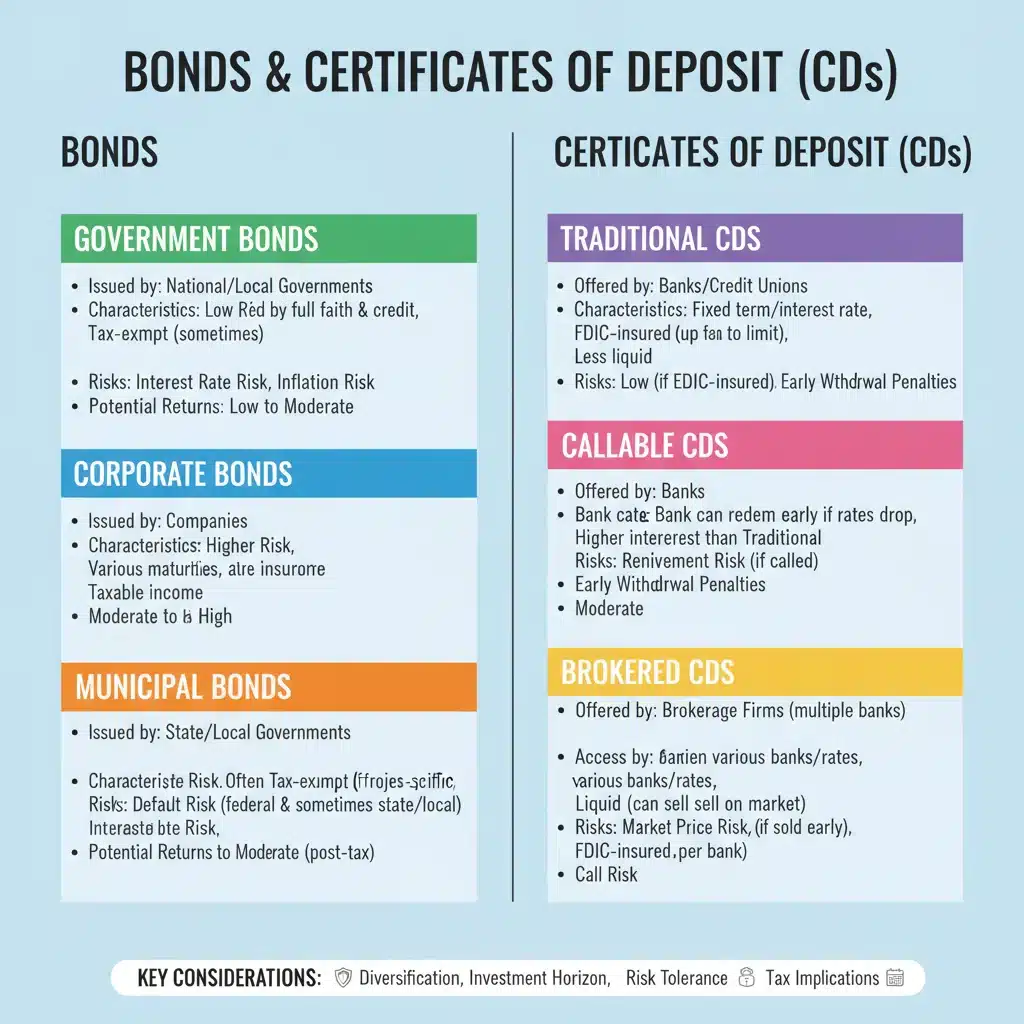
- Safety and Predictability: CDs are typically FDIC-insured (up to $250,000 per depositor, per institution), making them one of the safest investment options. You know exactly what return you’ll get at maturity.
- Fixed Interest Rate: Once you lock in a CD rate, it remains constant for the entire term, providing predictable income, which is highly attractive when aiming for a specific yield like 5%.
- Simplicity: CDs are straightforward and easy to understand, making them accessible to a wide range of investors.
- No Market Volatility: Unlike bonds, the principal value of a CD does not fluctuate with market interest rate changes.
Disadvantages of CDs
- Liquidity Restrictions: Money in a CD is generally inaccessible until maturity without incurring a penalty, which can be a significant drawback if you need funds unexpectedly.
- Inflation Risk: If inflation rises significantly during your CD term, your fixed interest rate might not keep pace, eroding your purchasing power.
- Reinvestment Risk: When your CD matures, prevailing interest rates might be lower, meaning you’ll have to reinvest at a reduced rate if you roll over your funds.
- Limited Upside: While predictable, CDs offer no potential for capital appreciation beyond the stated interest rate.
CDs for a 5% Yield in 2026
Historically, securing a 5% yield from a CD was challenging during periods of low interest rates. However, with the recent hikes by central banks, 5% (or even higher) CD rates have become more common, especially for longer terms (e.g., 2-5 years). As we approach 2026, if interest rates remain elevated or experience further moderate increases, finding CDs that offer a 5% yield could continue to be feasible, particularly from online banks or credit unions that often offer more competitive rates. Investors would need to carefully shop around and consider longer-term CDs to lock in such rates.
Bonds: The Dynamic Fixed Income Instrument
Bonds represent a loan made by an investor to a borrower (typically a corporation or government). In return for the loan, the borrower promises to pay regular interest payments (coupon payments) and return the principal amount (face value) at maturity. Bonds are a more complex and diverse category than CDs, offering a wider spectrum of risk and return profiles. This makes them a crucial component when analyzing the Fixed Income Outlook 2026 for a 5% yield.
Types of Bonds
- Government Bonds: Issued by national governments (e.g., U.S. Treasury bonds), generally considered low-risk.
- Municipal Bonds: Issued by state and local governments, often offering tax-exempt interest income.
- Corporate Bonds: Issued by companies, with varying credit ratings and risk levels.
- Agency Bonds: Issued by government-sponsored enterprises (GSEs) like Fannie Mae and Freddie Mac.
Advantages of Bonds
- Potential for Higher Yields: Depending on the issuer’s creditworthiness and market conditions, bonds can offer higher yields than CDs, especially corporate or high-yield bonds.
- Liquidity: Many bonds, particularly government and highly-rated corporate bonds, can be bought and sold on the secondary market before maturity, offering greater liquidity than CDs.
- Diversification: Bonds can diversify a portfolio, offering a counterbalance to equities during market downturns.
- Capital Appreciation Potential: If interest rates fall after you purchase a bond, its market value can increase, allowing for potential capital gains if sold before maturity.
- Variety of Options: A vast array of bond types, maturities, and coupon structures allows for tailored investment strategies.
Disadvantages of Bonds
- Interest Rate Risk: If interest rates rise after you purchase a bond, its market value will fall, meaning you would incur a loss if you sell it before maturity. This is a significant consideration for the Fixed Income Outlook 2026.
- Credit Risk (Default Risk): The risk that the issuer will not be able to make interest payments or repay the principal. This risk is higher for lower-rated bonds.
- Inflation Risk: Similar to CDs, fixed coupon payments can lose purchasing power during periods of high inflation.
- Complexity: Bonds can be more complex to understand and analyze than CDs, requiring more research.
- Reinvestment Risk: If a bond is called (redeemed early by the issuer) or matures, and interest rates have fallen, you may have to reinvest at a lower yield.
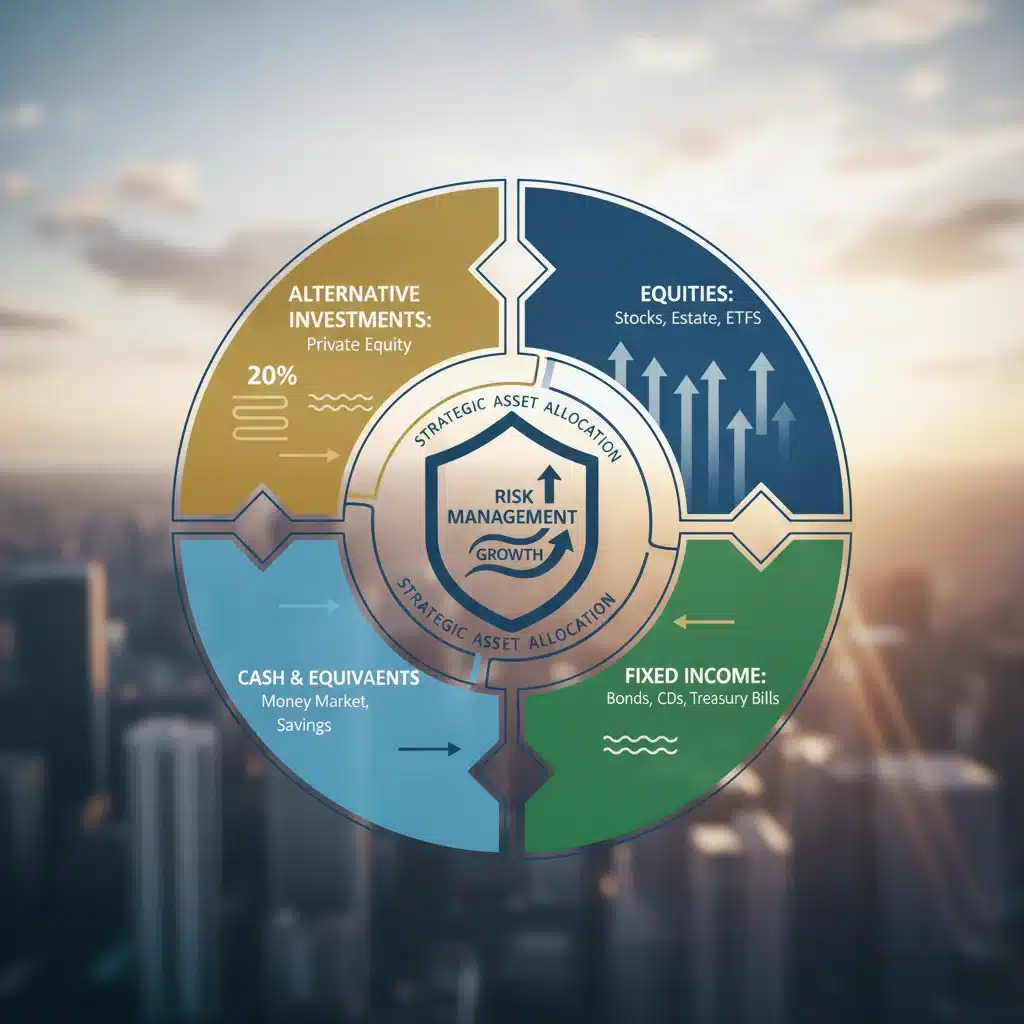
Bonds for a 5% Yield in 2026
Achieving a 5% yield from bonds in 2026 will likely involve a combination of strategies. For lower-risk government bonds (like U.S. Treasuries), a 5% yield might be attainable for longer-term maturities if the Federal Reserve maintains a relatively tight monetary policy. However, for shorter-to-medium term government bonds, yields might hover below 5% unless there’s a significant shift in economic forecasts.
Corporate bonds, especially those from companies with solid but not top-tier credit ratings (e.g., A or BBB rated bonds), could offer 5% or higher yields. However, this comes with increased credit risk. High-yield (junk) bonds could easily surpass a 5% yield, but their default risk is considerably higher, making them suitable only for investors with a high-risk tolerance.
Investors might also consider bond funds or ETFs, which offer diversification and professional management. These funds can target specific yield levels, but their net asset value (NAV) fluctuates with market conditions.
Bonds vs. CDs for a 5% Yield in 2026: A Direct Comparison
Now, let’s directly compare bonds and CDs in the context of achieving a 5% yield by 2026, considering the nuances of the Fixed Income Outlook 2026.
Risk Profile
- CDs: Very low risk due to FDIC insurance and fixed returns. The primary risks are liquidity and inflation.
- Bonds: Risk profile varies widely. Government bonds are low risk, while corporate and high-yield bonds carry significant credit and interest rate risks.
Yield Attainability
- CDs: A 5% yield from CDs in 2026 is plausible, especially for longer-term options (3-5 years) from competitive institutions, assuming interest rates remain elevated.
- Bonds: A 5% yield is also attainable. For government bonds, it might require longer maturities. For corporate bonds, it will likely involve taking on moderate credit risk. High-yield bonds could offer more, but with substantially higher risk.
Liquidity
- CDs: Low liquidity. Early withdrawal penalties are common.
- Bonds: Generally more liquid than CDs, especially for actively traded issues. Can be sold on the secondary market.
Flexibility and Diversification
- CDs: Limited flexibility. Primarily a single-instrument investment.
- Bonds: High flexibility. Diverse range of types, maturities, and issuers allows for extensive diversification within the fixed income portion of a portfolio.
Market Sensitivity
- CDs: Not directly impacted by market interest rate fluctuations after purchase.
- Bonds: Highly sensitive to interest rate changes. Rising rates decrease bond values, falling rates increase them.
Strategic Considerations for Your Fixed Income Portfolio in 2026
To effectively pursue a 5% yield in the Fixed Income Outlook 2026, investors should adopt a strategic approach. Here are key considerations:
1. Assess Your Risk Tolerance
Are you comfortable with the potential for principal loss that comes with certain types of bonds, especially if interest rates rise or an issuer defaults? Or do you prioritize capital preservation above all else? Your risk tolerance will dictate whether you lean towards the safety of CDs or the higher potential, but higher risk, of bonds.
2. Define Your Time Horizon
If you have a shorter time horizon (1-2 years), CDs might be more suitable due to their predictability and lack of market value fluctuations. For longer horizons (3-5+ years), bonds offer more flexibility and potential for capital gains, but also greater exposure to interest rate risk.
3. Diversification is Key
Even within fixed income, diversification is crucial. Consider a laddered CD strategy (investing in CDs with staggered maturity dates) to manage reinvestment risk. For bonds, diversify across different issuers, sectors, and maturities to mitigate credit and interest rate risks. A combination of both CDs and bonds could offer a balanced approach to achieving a 5% yield while managing risk.
4. Stay Informed on Interest Rate Trends
Keep a close watch on central bank announcements, inflation data, and economic indicators. These will provide clues about the future direction of interest rates, which profoundly impacts both bond yields and CD rates. If rates are expected to rise, shorter-term fixed income might be preferred to avoid locking in lower rates for too long. If rates are expected to fall, longer-term instruments might be more attractive.
5. Consider Tax Implications
The tax treatment of interest income varies. Municipal bonds, for instance, often offer tax-exempt interest at the federal level and sometimes at the state and local levels, making their effective yield higher for certain investors. CD interest and corporate bond interest are generally taxable at ordinary income rates. Always consult with a tax advisor.
6. Explore Laddering Strategies
A laddering strategy involves investing in multiple fixed income instruments with staggered maturity dates. For CDs, this helps manage reinvestment risk. For bonds, it helps reduce interest rate risk by ensuring that only a portion of your portfolio matures at any given time, allowing you to reinvest at prevailing rates.
7. Utilize Bond Funds and ETFs
For investors who prefer not to directly manage individual bonds, bond funds and ETFs offer a convenient way to gain exposure to a diversified portfolio of bonds. These funds come in various forms, targeting different maturities, credit qualities, and sectors. However, remember that bond funds’ NAVs fluctuate, and they do not have a maturity date like individual bonds.
The Role of Inflation-Protected Securities (TIPS)
As part of the discussion on the Fixed Income Outlook 2026, it’s worth mentioning Treasury Inflation-Protected Securities (TIPS). While not always offering a nominal 5% yield directly, TIPS are designed to protect investors from inflation. Their principal value adjusts with changes in the Consumer Price Index (CPI), and their interest payments are based on this adjusted principal. In an environment where inflation remains a concern, TIPS can be a valuable component of a fixed income portfolio, preserving purchasing power even if nominal yields from other instruments fall short of inflation.
The Impact of Global Economic Factors
The Fixed Income Outlook 2026 is not solely determined by domestic factors. Global economic growth, trade policies, and the actions of major international central banks can all influence bond yields and, indirectly, CD rates. For instance, a flight to safety during global economic downturns could push down yields on safe-haven assets like U.S. Treasuries, while robust global growth could lead to higher demand for capital and thus higher yields on corporate bonds.
Investors should pay attention to global economic forecasts and how they might impact the demand and supply dynamics within the fixed income markets. Diversifying across geographies, where appropriate, can also be a consideration for sophisticated investors.
Conclusion: Crafting Your 5% Yield Strategy for 2026
Achieving a 5% yield in the Fixed Income Outlook 2026 is a realistic goal, but it demands careful planning and an understanding of the trade-offs between risk and return. Both bonds and CDs offer distinct pathways to this objective, each with its own set of advantages and disadvantages.
For investors prioritizing safety and predictability, high-yield CDs, particularly those with longer maturities, might be the preferred choice. They offer guaranteed returns and FDIC insurance, albeit with liquidity constraints and no potential for capital appreciation.
For those willing to embrace a higher degree of market risk for potentially greater flexibility and returns, a diversified bond portfolio could be more suitable. This might involve a mix of government bonds for stability, and investment-grade corporate bonds for enhanced yield, carefully considering their credit ratings and interest rate sensitivity.
Ultimately, the optimal strategy for the Fixed Income Outlook 2026 will be a personalized one, tailored to individual financial circumstances, risk tolerance, and investment goals. By staying informed, diversifying wisely, and continually reassessing market conditions, investors can confidently navigate the fixed income landscape and position themselves to achieve their desired 5% yield.
Remember, financial markets are dynamic. What holds true today might shift tomorrow. Regular review of your fixed income strategy and consulting with a qualified financial advisor are always recommended to ensure your portfolio remains aligned with your objectives in the ever-changing financial environment.