2026 Unemployment Benefits Extension: Expert Analysis & Financial Impact

Anúncios
Expert Analysis: Understanding the 2026 Unemployment Benefits Extension – What It Means for Your Financial Stability Over the Next 6 Months
The economic landscape is ever-changing, and for many, the prospect of unemployment benefits serves as a critical safety net. As we approach 2026, discussions around the potential extension of these benefits are gaining significant traction. This comprehensive guide aims to provide an expert analysis of the unemployment benefits 2026 extension, delving into its implications for your financial stability over the next six months and beyond. Understanding the nuances of these extensions, eligibility requirements, and proactive financial planning strategies is paramount for individuals and families navigating uncertain economic waters.
Anúncios
The past few years have highlighted the critical role of unemployment insurance programs in cushioning economic shocks. From global pandemics to regional downturns, these benefits have provided a lifeline, allowing individuals to meet basic needs while actively searching for new employment. As we look towards 2026, the question isn’t just whether benefits will be extended, but how these extensions will be structured, who will qualify, and what broader economic impacts they will have. Our goal here is to equip you with the knowledge to make informed decisions and prepare effectively.
This article will explore the historical context of unemployment benefit extensions, the current legislative environment, and potential future scenarios. We will also provide practical advice on how to assess your eligibility, understand payment structures, and implement sound financial strategies to ensure your economic well-being, irrespective of the specific details of any unemployment benefits 2026 extension. Prepare to gain a deeper understanding of this vital aspect of our economic support system.
Anúncios
The Historical Context of Unemployment Benefit Extensions
To truly grasp the significance of a potential unemployment benefits 2026 extension, it’s essential to look back at how these programs have evolved. Unemployment insurance (UI) was established in the United States in 1935 as part of the Social Security Act, designed to provide temporary financial assistance to unemployed workers who meet specific eligibility requirements. Initially, benefits were limited in duration, typically 26 weeks, and funded through a joint federal-state program.
However, during periods of severe economic recession or crisis, Congress has repeatedly enacted temporary extensions to these benefits. Notable examples include the Great Recession (2007-2009), where benefits were extended for up to 99 weeks in some states, and the COVID-19 pandemic (2020-2021), which saw unprecedented expansions through programs like Pandemic Unemployment Assistance (PUA) and Pandemic Emergency Unemployment Compensation (PEUC). These extensions were crucial in preventing widespread financial hardship and stimulating economic recovery by maintaining consumer spending.
Each extension has been a response to unique economic circumstances, reflecting a legislative effort to mitigate the human and economic costs of prolonged unemployment. These historical precedents suggest that future extensions, including any potential unemployment benefits 2026 measures, are likely to be debated and implemented in response to prevailing economic conditions, such as high unemployment rates, slow job growth, or other indicators of economic instability. Understanding this pattern helps us anticipate the factors that might influence future policy decisions.
Current Economic Climate and the Road to 2026
As we project towards 2026, the current economic climate plays a pivotal role in shaping the necessity and likelihood of unemployment benefit extensions. Factors such as inflation, interest rates, labor market participation, and overall GDP growth are constantly monitored by policymakers and economists. A robust economy with low unemployment typically reduces the pressure for extensive benefit extensions, whereas signs of a slowdown or recession often trigger calls for increased support.
Currently, the global economy is navigating a complex recovery phase, marked by persistent inflationary pressures, supply chain disruptions, and geopolitical tensions. While some sectors show strong growth, others face headwinds, leading to a somewhat uneven recovery. The labor market, while resilient in many areas, is also undergoing significant transformations driven by technological advancements and shifting workforce demands. These dynamics will undoubtedly influence the debate surrounding unemployment benefits 2026.
Government forecasts and independent economic analyses will be key indicators. Policymakers will be closely watching metrics such as the national unemployment rate, the number of long-term unemployed individuals, and consumer confidence levels. Should these indicators suggest a weakening labor market or a significant risk of economic contraction, the probability of federal intervention to extend unemployment benefits will increase. Conversely, a strong and stable economic outlook might lead to a more conservative approach. Staying informed about these macroeconomic trends is crucial for anticipating future policy directions.
Potential Scenarios for 2026 Unemployment Benefits Extension
Given the historical context and current economic trajectory, several scenarios could unfold regarding the unemployment benefits 2026 extension. It’s important to consider these possibilities to prepare for different outcomes:
-
Baseline Scenario: No Major Federal Extension
In this scenario, if the economy continues to strengthen, with sustained job growth and a low national unemployment rate, there might be no widespread federal extension of benefits beyond existing state programs. States would continue to offer their standard 26 weeks (or fewer, depending on the state) of unemployment insurance. Any additional support would likely come from state-specific initiatives rather than broad federal mandates. This scenario assumes a relatively stable and thriving job market leading up to and through 2026.
-
Moderate Extension: Targeted Federal Support
If economic growth slows or specific sectors experience significant downturns, we might see a more targeted approach. This could involve federal programs that extend benefits for a limited number of additional weeks (e.g., 13-20 weeks) for those who have exhausted their state benefits, particularly in states with higher unemployment rates. Such extensions are often triggered by specific economic thresholds or declarations of emergency. This approach provides a safety net without overhauling the entire system.
-
Significant Extension: Broad Federal Intervention
In the event of a severe economic recession or a widespread crisis comparable to the Great Recession or the COVID-19 pandemic, Congress could enact broad federal extensions. This might include significant additional weeks of benefits, potentially even reintroducing programs similar to PUA or PEUC, which expanded eligibility to non-traditional workers. This scenario would be a response to a sharp increase in unemployment and widespread economic distress, aiming to prevent a deeper and more prolonged downturn.
Each scenario carries different implications for individuals and the economy. Understanding these possibilities allows for more robust financial planning and advocacy. The exact nature of any unemployment benefits 2026 extension will depend heavily on the political climate and the economic data available at the time.
Eligibility Requirements for Extended Benefits
Regardless of the specific scenario, eligibility for any extended unemployment benefits 2026 will likely hinge on several key factors. While the exact criteria can vary with each legislative package, general principles tend to remain consistent:
-
Exhaustion of State Benefits
Typically, federal extensions kick in only after an individual has exhausted their regular state unemployment benefits. This means you must have claimed all available weeks under your state’s program before being considered for federal extensions.
-
Actively Seeking Work
Most unemployment programs, including extensions, require claimants to be able to work, available for work, and actively seeking work. This usually involves documenting job search activities, such as applying for jobs, attending interviews, or participating in approved training programs. Failure to meet this requirement can lead to a disqualification of benefits.
-
Availability of Work
Claimants must be genuinely unemployed through no fault of their own. Quitting a job voluntarily without good cause or being fired for misconduct typically disqualifies an individual from receiving benefits, including extensions.
-
Wage and Work History
Eligibility is often tied to your work history and earnings during a specific base period. You must have earned a certain amount of wages and worked a certain number of hours or weeks to qualify for state benefits, which then serves as the foundation for any extensions.
-
State-Specific Criteria
Even with federal extensions, state laws and regulations often play a role. Some states may have additional requirements or different benefit calculations. It’s crucial to consult your state’s unemployment agency for the most accurate and up-to-date information.
Staying informed about these criteria and meticulously documenting your job search efforts will be critical for anyone hoping to access unemployment benefits 2026. Proactive engagement with your state’s unemployment office will ensure you meet all necessary requirements.
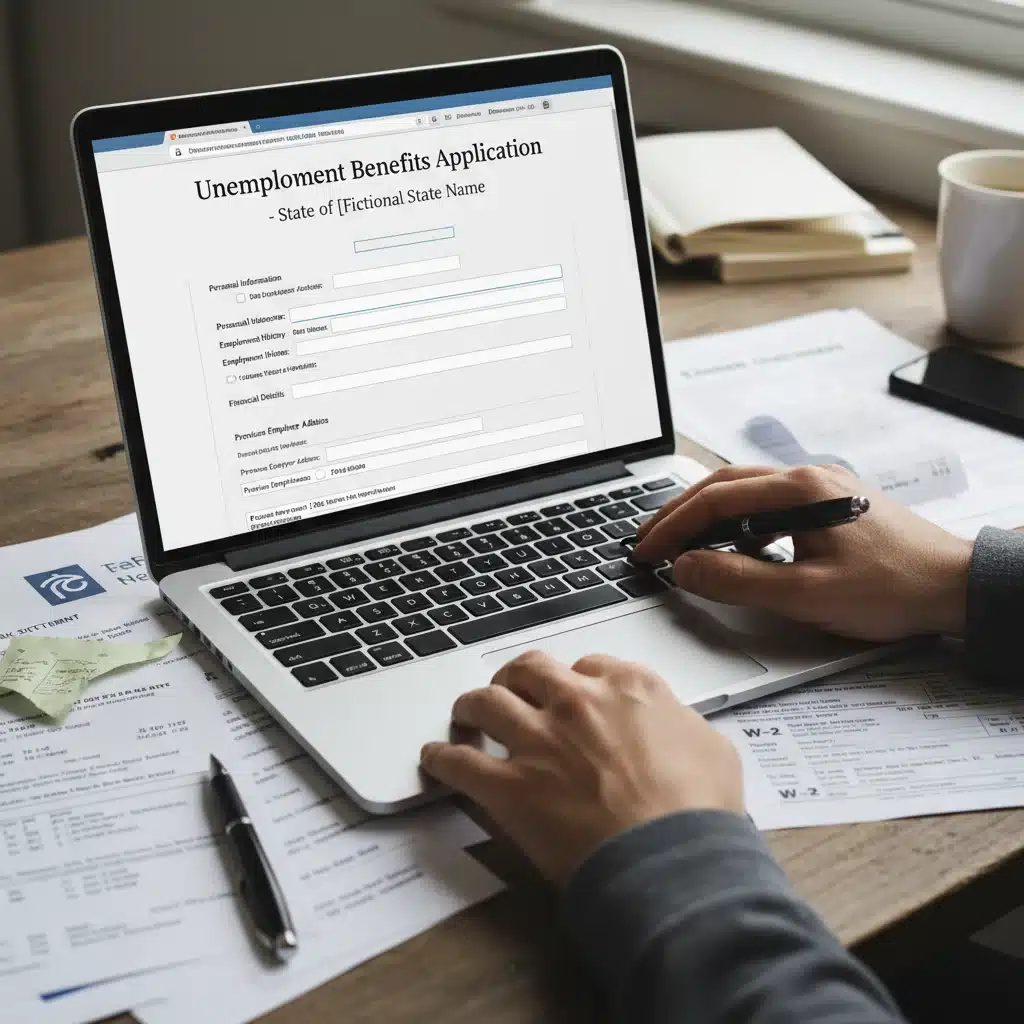
Navigating the Application Process and Payment Structures
Should a federal unemployment benefits 2026 extension be enacted, understanding the application process and how payments are structured will be vital for your financial planning. While specific procedures can vary, here’s a general overview:
Application Process:
-
Initial State Application: If you become unemployed, your first step is always to apply for unemployment benefits through your state’s unemployment agency. This is typically done online.
-
Exhaustion of State Benefits: Once you’ve exhausted all regular state benefits, your state agency will usually notify you if you are potentially eligible for any extended benefits. In some cases, the transition to extended benefits might be automatic, while in others, you may need to file a separate claim.
-
Weekly Certifications: Regardless of the benefit type, you will likely need to file weekly or bi-weekly certifications, attesting to your continued unemployment, job search efforts, and availability for work. This is a critical step to ensure continuous payments.
-
Documentation: Keep meticulous records of your job applications, communications with potential employers, and any training programs you attend. This documentation can be crucial if there are any questions about your eligibility.
Payment Structures:
-
Benefit Amount: The weekly benefit amount for extended benefits is typically the same as your regular state unemployment benefit amount. This amount is calculated based on your past earnings.
-
Duration: The duration of extended benefits will depend on the specific legislation. It could range from a few additional weeks to several months, depending on the severity of the economic conditions and the scope of the extension.
-
Taxation: It’s important to remember that unemployment benefits, including extensions, are considered taxable income. You can choose to have federal income tax withheld from your payments, or you will be responsible for paying taxes on these benefits when you file your annual tax return. State income tax rules vary.
-
Waiting Period: Some states have a waiting period (typically one week) before benefits begin. While often waived during federal extensions in crisis periods, it’s a factor to be aware of.
Proactive engagement with your state’s unemployment office and careful adherence to all reporting requirements will streamline the process and help you receive any eligible unemployment benefits 2026 without undue delay.
Financial Stability Strategies for the Next 6 Months
Even with the possibility of an unemployment benefits 2026 extension, relying solely on government aid is not a sustainable long-term strategy. Proactive financial planning is crucial for maintaining stability, especially over the next six months. Here are key strategies:
1. Create a Detailed Budget and Track Expenses:
-
Categorize Spending: Understand where every dollar goes. Differentiate between essential expenses (housing, food, utilities, healthcare) and non-essential ones (entertainment, dining out, subscriptions).
-
Cut Non-Essentials: Be ruthless in cutting back on discretionary spending. Every dollar saved extends the life of your available funds.
-
Prioritize Needs: Ensure your core needs are met first. If benefits are your primary income, focus on covering rent/mortgage, groceries, and essential utilities.
2. Build or Bolster Your Emergency Fund:
-
Goal Setting: Aim for at least 3-6 months of essential living expenses saved. If you’re currently employed, start saving aggressively. If unemployed, prioritize saving any surplus from benefits or other income sources.
-
Accessible Savings: Keep your emergency fund in a readily accessible, interest-bearing savings account, separate from your checking account.
3. Explore Additional Income Streams:
-
Part-Time or Gig Work: Consider temporary or part-time employment, freelancing, or gig economy jobs to supplement your income. Many platforms offer flexible work options.
-
Skill Monetization: Can you offer services based on your skills (e.g., tutoring, consulting, graphic design)?
4. Manage Debt Wisely:
-
Prioritize High-Interest Debt: If you have credit card debt or personal loans with high interest rates, focus on making at least minimum payments to avoid late fees and protect your credit score.
-
Communicate with Creditors: If you anticipate difficulty making payments, contact your creditors proactively. They may offer hardship programs, deferred payments, or modified payment plans.
-
Avoid New Debt: During periods of financial uncertainty, resist the temptation to take on new debt, especially for non-essential purchases.
5. Understand Your Benefits and Resources:
-
Maximize Unemployment: Ensure you are receiving all eligible unemployment benefits 2026. Understand the duration and amount.
-
Explore Other Aid: Research other government assistance programs you might qualify for, such as SNAP (food stamps), Medicaid, or housing assistance. Many non-profits also offer support.
6. Focus on Job Search and Skill Development:
-
Active Job Search: Dedicate consistent time each day to job searching. Tailor your resume and cover letters to each application.
-
Networking: Leverage your professional network. Many jobs are found through connections.
-
Skill Upgrading: Use this time to acquire new skills or certifications that are in demand. Many online courses are free or low-cost.
By implementing these strategies, you can significantly enhance your financial resilience, making you less vulnerable to economic fluctuations and better prepared for whatever the future holds, including the specific details of any unemployment benefits 2026 extension.
The Broader Economic Impact of Unemployment Benefit Extensions
The decision to extend unemployment benefits 2026 has implications far beyond individual households; it significantly impacts the broader economy. Economists and policymakers weigh several factors when considering such extensions:
Positive Economic Impacts:
-
Stimulus to Consumer Spending: Unemployment benefits provide a crucial safety net that allows recipients to continue spending on necessities. This sustained demand helps support businesses and prevents a deeper economic contraction.
-
Reduced Poverty and Inequality: Extensions help prevent individuals and families from falling into poverty, reducing social disparities and the need for other forms of public assistance.
-
Economic Stabilization: During recessions, these benefits act as an automatic stabilizer, injecting money into the economy when demand is weakest, thereby moderating economic downturns.
-
Preservation of Human Capital: By allowing individuals to meet their basic needs, benefits can prevent forced sales of assets or drastic life changes, enabling them to focus on finding appropriate employment rather than any immediate job for survival.
Potential Concerns and Negative Impacts:
-
Disincentive to Work: A common concern is that extended benefits might disincentivize job searching, especially if benefits are perceived as generous relative to available wages. However, empirical studies on this effect are mixed and often show it to be marginal.
-
Fiscal Cost: Federal unemployment benefit extensions represent a significant expenditure for the government, contributing to the national debt. Policymakers must balance the need for support with fiscal responsibility.
-
Inflationary Pressure: In certain economic conditions, a large injection of money through extended benefits could potentially contribute to inflationary pressures, although this is more likely when the economy is already overheating.
-
Administrative Burden: State unemployment agencies can become overwhelmed by the volume of claims during extensions, leading to delays and administrative challenges.
The debate around unemployment benefits 2026 will undoubtedly involve a careful balancing act between these positive and negative impacts, with policymakers aiming to maximize economic stability and individual well-being while minimizing adverse effects.
Preparing for the Future: Beyond 2026
While our focus is on the unemployment benefits 2026 extension and the next six months, it’s equally important to consider your long-term financial resilience. The economic landscape is dynamic, and personal preparedness is the best defense against unforeseen challenges. Here are some forward-looking strategies:
1. Continuous Skill Development:
The job market is constantly evolving. Invest in continuous learning and skill development to remain competitive. Look for certifications, online courses, or workshops that enhance your professional value. This makes you more adaptable and less susceptible to long-term unemployment.
2. Diversify Income Streams:
Beyond a primary job, explore ways to build multiple income streams. This could include investments, a side hustle, real estate, or passive income sources. Diversification provides a buffer if your primary income source is disrupted.
3. Robust Emergency Savings:
Make building and maintaining a substantial emergency fund a permanent part of your financial plan. Aim for 6-12 months of living expenses, especially if you are in a volatile industry or have significant financial obligations.
4. Health and Disability Insurance:
Ensure you have adequate health insurance to cover medical emergencies and disability insurance to protect your income in case you are unable to work due to illness or injury. These are critical components of a comprehensive financial safety net.
5. Retirement Planning:
Even during periods of financial strain, try to maintain contributions to your retirement accounts. Compounding interest works best over long periods, and even small contributions can make a significant difference over time. If you must pause contributions, resume them as soon as your financial situation allows.
6. Professional Networking:
Cultivate and maintain a strong professional network. Connections can be invaluable for job opportunities, career advice, and support during challenging times. Attend industry events, join professional organizations, and engage with colleagues.

By adopting these long-term strategies, you can build a robust financial foundation that provides security and peace of mind, regardless of legislative decisions regarding unemployment benefits 2026 or any future economic shifts. Personal financial resilience is your most powerful tool.
Conclusion: Staying Informed and Prepared
The prospect of an unemployment benefits 2026 extension is a critical topic that will undoubtedly shape the financial stability of many individuals and the broader economic landscape. While the precise details of any such extension remain to be seen, understanding the historical context, current economic indicators, potential scenarios, and eligibility requirements is paramount.
For the next six months and beyond, proactive financial planning is your best defense. This includes meticulous budgeting, building an emergency fund, exploring additional income streams, managing debt responsibly, and continuously investing in your skills and professional network. Relying solely on government aid, while crucial as a safety net, should be complemented by robust personal financial strategies.
Stay informed by monitoring economic news, legislative developments, and official announcements from your state’s unemployment agency. By taking a proactive and informed approach, you can navigate the evolving economic environment with greater confidence and secure your financial well-being. The future may hold uncertainties, but with careful planning and preparedness, you can position yourself for stability and success.