Maximize Your 2026 GI Bill Benefits: A Veteran’s Education Guide

Anúncios
Veterans aiming to maximize their 2026 GI Bill benefits must meticulously plan their educational journey, confirming eligibility and understanding the application process to effectively utilize up to 36 months of educational support.
Anúncios
Are you a veteran looking to leverage your educational opportunities in the coming years? Understanding and maximizing your 2026 GI Bill benefits is crucial for securing your academic and professional future. This comprehensive guide will walk you through everything you need to know, ensuring you make the most of this invaluable resource.
Understanding Your 2026 GI Bill Entitlements
The Post-9/11 GI Bill remains a cornerstone of veteran educational support, offering substantial benefits for those who have served our nation. As we approach 2026, it’s vital to grasp the nuances of your entitlements, ensuring you don’t leave any benefits on the table. This includes understanding the various components that make up your educational package.
Anúncios
Your eligibility for the Post-9/11 GI Bill is primarily determined by your length of active duty service after September 10, 2001. The more time you served, the higher percentage of benefits you are entitled to, potentially reaching 100% for 36 months of qualifying service. It’s important to remember that these benefits are not automatic; they require proactive engagement and careful planning.
Key Components of Your Benefits
The Post-9/11 GI Bill is comprehensive, covering more than just tuition. It’s designed to support various aspects of your educational journey.
- Tuition and Fees: Covers up to the full in-state tuition at public institutions, or a national maximum for private and foreign schools.
- Housing Allowance (MHA): A monthly housing allowance, equivalent to the Basic Allowance for Housing (BAH) for an E-5 with dependents, based on the zip code of your school.
- Book and Supply Stipend: An annual stipend up to $1,000 for books and supplies, paid proportionately per term.
- Rural Relocation Benefit: A one-time payment for veterans moving from highly rural areas to attend school.
Staying informed about any potential legislative changes or updates to the GI Bill in the lead-up to 2026 is also a smart strategy. While the core structure is stable, minor adjustments can occur that impact how you access or utilize your benefits.
In essence, understanding your 2026 GI Bill entitlements means knowing your percentage of eligibility, the maximum tuition coverage, and the specific allowances you can receive. This foundational knowledge empowers you to plan your education effectively, ensuring every benefit is utilized to its fullest potential.
Confirming Your Eligibility and Application Process
Before you can embark on your educational journey, confirming your eligibility and navigating the application process for your 2026 GI Bill benefits is a critical first step. This involves gathering necessary documentation and understanding the official channels for submission.
The Department of Veterans Affairs (VA) is the primary administrator of GI Bill benefits. Their website and local VA offices are invaluable resources for up-to-date information and assistance. It’s recommended to start this process well in advance of your desired enrollment date to avoid any delays.
Gathering Essential Documents
A smooth application process hinges on having all your paperwork in order. This typically includes your DD-214, which verifies your military service.
- DD-214: Your Certificate of Release or Discharge from Active Duty is paramount.
- Transcripts: Academic transcripts from any previous colleges or universities.
- School Enrollment Information: Details about the program and institution you plan to attend.
- VA Form 22-1990: Application for VA Education Benefits. This can be completed online.
Once you have gathered these documents, the application itself is relatively straightforward. The VA’s online application portal is designed for ease of use, guiding you through each section. It’s important to be thorough and accurate to prevent any processing hiccups.
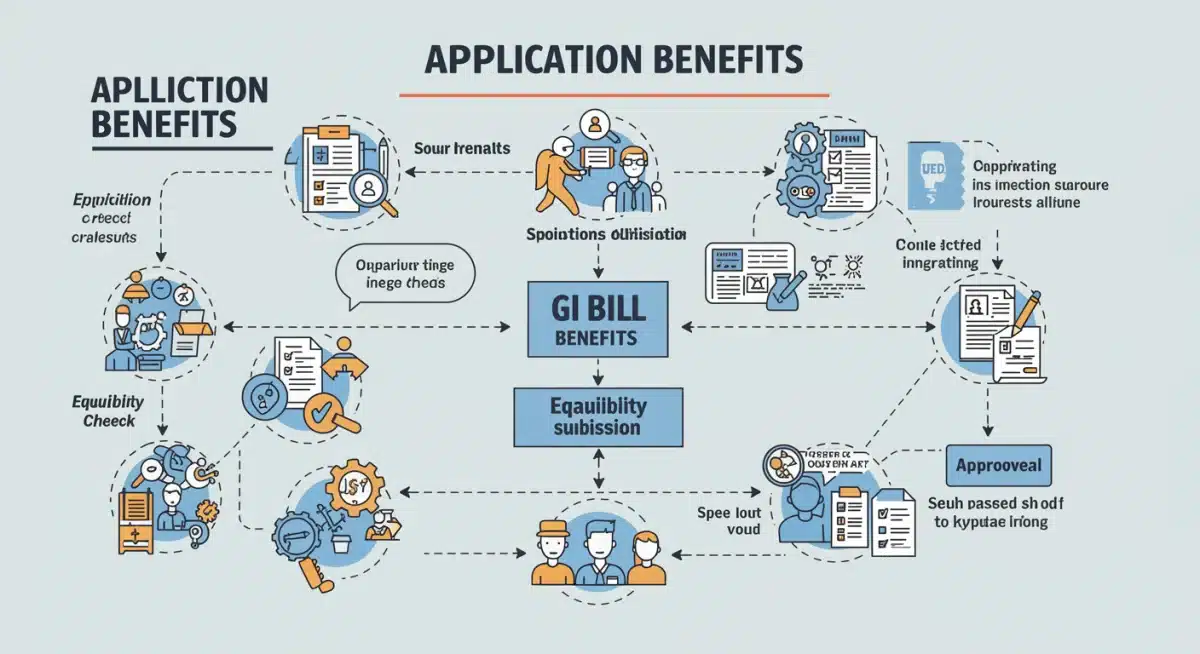
After submitting your application, the VA will review your information and issue a Certificate of Eligibility (COE). This document officially confirms your GI Bill eligibility and the percentage of benefits you qualify for. Keep this COE safe, as you will need it for your school’s certifying official.
Confirming your eligibility and completing the application process is the foundational phase of accessing your 2026 GI Bill benefits. Taking the time to do this correctly will set you up for a successful educational experience, ensuring you receive the support you deserve without unnecessary complications.
Choosing the Right Educational Program and Institution
Selecting the ideal educational program and institution is a pivotal decision that directly impacts how effectively you utilize your 2026 GI Bill benefits. This choice should align with your career aspirations, academic interests, and the practical considerations of your life as a veteran.
Consider your long-term goals. Are you looking for a vocational certificate, an associate’s degree, a bachelor’s, or even a graduate program? The GI Bill supports a wide range of educational pursuits, but understanding which path best suits you will help you maximize your 36 months of benefits.
Researching Veteran-Friendly Schools
Not all institutions are created equal when it comes to supporting veterans. Researching schools that have a strong track record of assisting military-affiliated students can make a significant difference.
- VA-Approved Programs: Ensure the school and program are approved by the VA for GI Bill funding.
- Veteran Support Services: Look for dedicated veteran centers, academic advising for veterans, and mental health resources.
- Yellow Ribbon Program: If you’re attending a private or out-of-state public school, the Yellow Ribbon Program can help cover tuition costs not fully covered by the Post-9/11 GI Bill.
- Credit for Military Experience: Many institutions offer academic credit for prior military training and experience, potentially shortening your degree path.
Visiting campuses, attending virtual open houses, and speaking with current veteran students can provide invaluable insights into the culture and support systems available. Don’t hesitate to ask detailed questions about how the school specifically assists veterans.
Ultimately, choosing the right program and institution is about finding the best fit for your unique needs and goals. By carefully researching and considering all your options, you can ensure your 2026 GI Bill benefits are invested in an education that truly propels you forward.
Strategic Use of Your 36 Months of Benefits
With up to 36 months of educational benefits available through the 2026 GI Bill, strategic planning is essential to ensure you get the most out of every single month. This isn’t just about enrollment; it’s about optimizing your academic timeline and financial resources.
Many veterans opt to pursue a bachelor’s degree, which typically takes 48 months. With 36 months of GI Bill benefits, you’ll need a plan for the remaining 12 months. This could involve using federal student aid, scholarships, or even working part-time to cover costs.
Optimizing Your Academic Schedule
Consider how your course load impacts your benefits. Full-time enrollment generally yields the highest Monthly Housing Allowance (MHA), but it also uses up your benefits faster. Part-time enrollment, while potentially extending your benefits, might not provide the same MHA.
- Summer Semesters: Using benefits for summer terms can accelerate your degree completion but consumes benefits quickly.
- Breaks and Gaps: Be mindful of breaks between semesters, as your MHA may be affected if you are not actively enrolled.
- Accelerated Programs: Some programs are designed for faster completion, which can be efficient but intense.
- Internships and Practicums: Ensure these experiences are credit-bearing and approved by the VA to count towards your benefits.
If you have any remaining Post-9/11 GI Bill benefits after completing your primary degree, consider using them for certifications, graduate studies, or even vocational training that complements your career path. The goal is to maximize the value of every month you have.
Strategic use of your 36 months of benefits means looking beyond immediate enrollment. It involves a holistic approach to your education, integrating financial planning, academic pacing, and future career goals to ensure a robust return on your service investment.
Leveraging Additional Resources and Support
Maximizing your 2026 GI Bill benefits extends beyond the core entitlements; it involves actively leveraging a wide array of additional resources and support systems available to veterans. These can significantly enhance your educational experience and alleviate financial burdens.
Many organizations, both governmental and non-profit, are dedicated to assisting veterans in their academic pursuits. Exploring these options can provide supplementary funding, mentorship, and career development opportunities that complement your GI Bill.
Exploring Scholarships and Grants
While the GI Bill covers substantial costs, scholarships and grants can fill any remaining gaps, especially for private institutions or extended programs. These funds do not need to be repaid and are specifically designed to support students.
- Veteran-Specific Scholarships: Many foundations and organizations offer scholarships exclusively for veterans.
- Federal Student Aid (FAFSA): Completing the FAFSA can open doors to federal grants, even if you are receiving GI Bill benefits.
- State-Specific Programs: Many states offer their own educational benefits or tuition waivers for veterans.
- School-Based Aid: Check with your institution’s financial aid office for scholarships and grants they offer to veterans.
Beyond financial aid, numerous support networks exist. These include veteran student organizations on campus, mentorship programs connecting veterans with professionals in their field, and career services specifically tailored to transitioning service members. These resources can be invaluable for networking, job placement, and navigating the civilian workforce.
Actively seeking out and utilizing these additional resources is a crucial part of maximizing your 2026 GI Bill benefits. They provide a safety net, enhance your academic journey, and prepare you for a successful post-service career, ensuring a truly holistic support system.
Navigating Challenges and Staying Informed
Even with careful planning, navigating the educational landscape as a veteran can present challenges. Staying informed about policies, understanding your rights, and knowing where to turn for assistance are key to a smooth and successful experience with your 2026 GI Bill benefits.
Common challenges include understanding complex VA regulations, managing academic demands, and balancing personal life with studies. Being prepared for these can help you overcome them effectively, ensuring your educational progress isn’t derailed.
Common Pitfalls to Avoid
Awareness of potential issues can help you sidestep them. Proactive measures are often the best defense against unforeseen problems.
- Not Certifying Enrollment: Ensure your school’s certifying official submits your enrollment to the VA promptly each term.
- Changing Majors Frequently: While possible, frequent major changes can exhaust benefits without leading to a degree.
- Dropping Courses Without Consultation: Dropping courses can impact your MHA and benefit usage, potentially leading to overpayments.
- Ignoring Academic Performance: Maintain satisfactory academic progress to remain eligible for benefits.
The VA provides robust support for beneficiaries. If you encounter issues, whether with benefits processing, academic concerns, or personal challenges, reach out to your school’s veteran’s office or the VA directly. They have dedicated staff to assist you.
Staying informed also means keeping up with any potential legislative changes to the GI Bill or related veteran benefits. Subscribing to VA newsletters, following reputable veteran advocacy groups, and regularly checking the VA website will ensure you are always aware of your options and any new opportunities.
Navigating challenges and staying informed is an ongoing process that empowers you to protect and fully utilize your 2026 GI Bill benefits. By being vigilant and proactive, you can ensure your educational journey is as seamless and rewarding as possible.
| Key Aspect | Brief Description |
|---|---|
| Eligibility Confirmation | Verify service duration, obtain DD-214, and apply via VA for Certificate of Eligibility. |
| Program Selection | Choose VA-approved schools with veteran support, considering Yellow Ribbon and credit for military experience. |
| Strategic Benefit Use | Plan academic schedule to optimize 36 months, balancing full-time enrollment with benefit longevity. |
| Additional Resources | Seek out scholarships, grants, and veteran support programs to supplement GI Bill benefits. |
Frequently Asked Questions About 2026 GI Bill Benefits
Eligibility for the Post-9/11 GI Bill in 2026 primarily requires at least 90 days of aggregate active duty service after September 10, 2001, or discharge with a service-connected disability after 30 continuous days. The length of service determines the percentage of benefits received, up to 100%.
The Post-9/11 GI Bill generally provides up to 36 months of education benefits. This can be used for various approved programs, including undergraduate and graduate degrees, vocational training, and certificate programs, allowing for significant educational investment.
Yes, the GI Bill can be used for online courses in 2026, provided the program and institution are approved by the VA. The Monthly Housing Allowance (MHA) for entirely online enrollment is typically capped at half the national average BAH for an E-5 with dependents.
The Yellow Ribbon Program helps cover tuition costs that exceed the Post-9/11 GI Bill’s maximum benefit for private or out-of-state public schools. Participating institutions voluntarily enter agreements with the VA to fund a portion of these costs, with the VA matching their contribution.
Veterans can find additional support through various avenues, including federal and state financial aid (FAFSA), veteran-specific scholarships, on-campus veteran resource centers, and non-profit organizations dedicated to veteran education and career transition. These resources can supplement your GI Bill benefits.
Conclusion
Maximizing Your 2026 GI Bill Benefits: A Step-by-Step Plan for Veterans to Access Up to 36 Months of Education is more than just a guide; it’s a blueprint for your future. By diligently understanding your entitlements, navigating the application process, choosing the right educational path, and strategically managing your benefits, you can unlock unparalleled opportunities. Remember to leverage all available resources, from scholarships to veteran support services, and stay informed to overcome any challenges. Your service has earned you this invaluable investment in your education, and with careful planning, you can ensure it yields the greatest possible returns for your academic and professional endeavors.